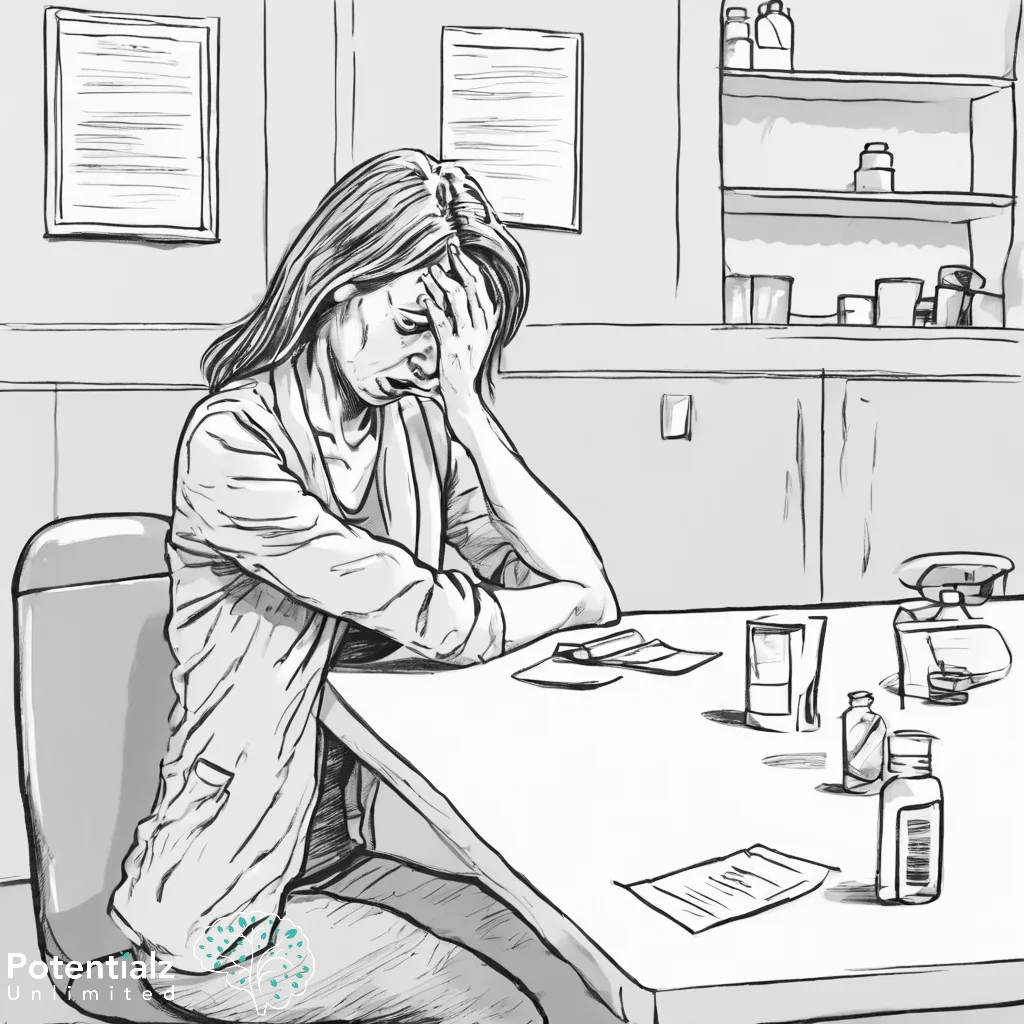
What is a Panic Attack?
Definition and Symptoms
A panic attack is a sudden surge of intense fear or discomfort that peaks within minutes. These episodes can happen unexpectedly or may be triggered by specific situations or thoughts. Panic attacks are characterized by a combination of physical and psychological symptoms, including:
- Rapid heartbeat
- Shortness of breath
- Chest pain or discomfort
- Trembling or shaking
- Sweating
- Feeling lightheaded or dizzy
- Nausea or stomach upset
- A sense of impending doom or danger
- Fear of losing control or going crazy
- Fear of dying
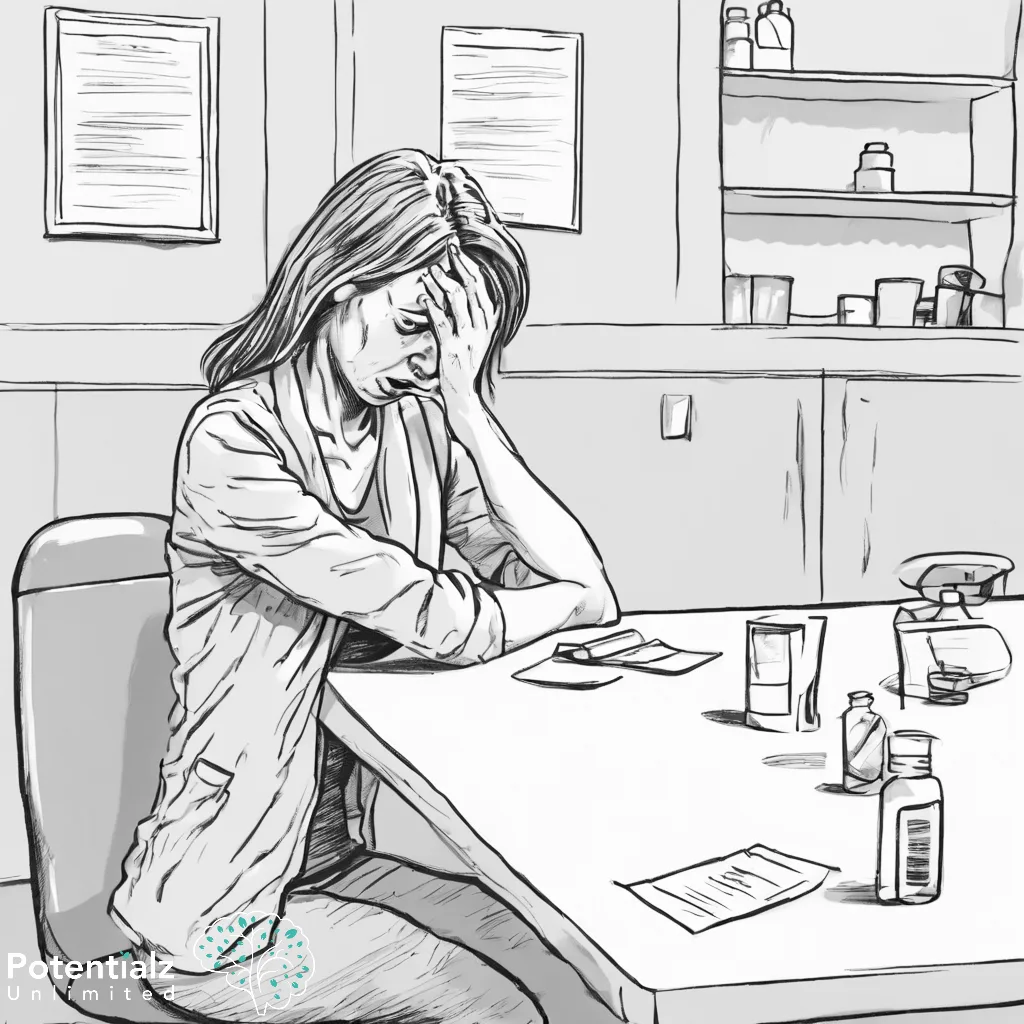
For example, Jane, a 30-year-old teacher, experiences panic attacks when she is in crowded places. During an attack, she feels her heart racing, struggles to breathe, and fears she might faint.
Duration and Frequency
Panic attacks usually last between 5 to 20 minutes, but some people have reported attacks lasting up to an hour (Cleveland Clinic, 2023). The frequency of panic attacks can vary greatly among individuals, with some experiencing them only a few times in their lives and others having them frequently.
What is Panic Disorder?
Differentiating Panic Disorder from Other Anxiety Disorders
Panic disorder is diagnosed when an individual experiences recurrent, unexpected panic attacks and is persistently concerned about having more attacks or changes their behavior to avoid them. This distinguishes it from general anxiety or other related conditions, where anxiety might be more constant and less intense (American Psychiatric Association, 2013).
For instance, John, who has panic disorder, avoids driving after experiencing several panic attacks while on the road. This avoidance behavior and constant worry about future attacks are key indicators of panic disorder.
The Impact of Panic Disorder on Daily Life
Panic disorder can significantly impact a person’s emotional, social, and occupational life. It can lead to avoidance of activities, places, or situations that might trigger an attack, resulting in social isolation and difficulties at work or school. Over time, this can decrease the overall quality of life and increase the risk of developing other mental health issues, such as depression (Cleveland Clinic, 2023).
Causes and Triggers of Panic Attacks
Biological Factors
Genetic Predisposition
Research indicates that genetics may play a role in the likelihood of experiencing panic attacks. A family history of panic disorder or other anxiety disorders can increase the risk (Smoller et al., 2008).
Neurotransmitters and Brain Function
Imbalances in brain chemicals, such as serotonin and norepinephrine, are believed to contribute to anxiety and panic. These neurotransmitters play a crucial role in regulating mood and stress responses (Gorman et al., 2000).
Environmental and Psychological Factors
Major Life Changes or Stress
Significant life events, such as the death of a loved one, divorce, or job loss, can trigger panic attacks. For example, Emma started experiencing panic attacks after moving to a new city and starting a stressful job.
Understanding Phobias and Anxiety
Existing fears and anxiety disorders can contribute to the onset of panic attacks. For instance, someone with a phobia of flying might experience panic attacks when they have to board a plane (Barlow, 2002).
Recognizing the Signs
Identifying Early Symptoms
Physical and Emotional Warning Signs
Recognizing the onset of potential panic attacks can help in managing them effectively. Early symptoms might include increased heart rate, sweating, trembling, and a sense of impending doom. Differentiating these symptoms from other medical conditions, such as heart attacks, is crucial (Better Health Channel, 2023).
Maintaining a Panic Attack Journal
Keeping a journal to track symptoms, triggers, and patterns can empower individuals to manage their experiences. For example, noting the time, place, and circumstances of each panic attack can help identify common triggers and develop coping strategies.
Coping Mechanisms and Treatment Options
Self-Help Strategies
Breathing Exercises and Mindfulness Techniques
Practical strategies for managing panic attacks include deep breathing exercises and mindfulness techniques. For instance, practicing slow, deep breaths can help regulate the heart rate and calm the nervous system during an attack (Cleveland Clinic, 2023).
Lifestyle Changes
Regular exercise, a balanced diet, and adequate sleep can reduce the frequency and intensity of panic attacks. For example, Sarah found that incorporating daily walks and a healthy diet significantly reduced her panic attack episodes.
Professional Treatment
Therapy Options
Cognitive-behavioral therapy (CBT) is highly effective in treating panic disorder. CBT helps individuals identify and challenge negative thought patterns related to their panic attacks and develop healthier coping mechanisms (Hofmann et al., 2012).
Medication
Various medications, such as selective serotonin reuptake inhibitors (SSRIs) and benzodiazepines, may be prescribed to manage panic disorder. These medications can help reduce the frequency and severity of panic attacks, though they may have potential side effects (Cleveland Clinic, 2023).
Support and Resources
Building a Support Network
The Role of Friends and Family
Loved ones can provide crucial support for individuals dealing with panic disorder. For example, Emily’s family learned about panic attacks and developed strategies to help her during an episode, such as staying calm and providing reassurance.
Joining Support Groups
Participating in support communities can offer shared experiences and coping strategies. Online forums and local support groups can provide a sense of belonging and understanding.
Additional Resources
Books and Online Courses
Recommended reading and courses can offer deeper understanding and management strategies for panic attacks. For example, “The Anxiety and Phobia Workbook” by Edmund J. Bourne provides practical tools for managing anxiety and panic.
Professional Help
Finding a mental health professional who is experienced in anxiety and panic disorders can be crucial for effective treatment. Potentialz Unlimited in Bella Vista, NSW, offers psychological guidance and evidence-based approaches like CBT and DBT to help individuals manage their symptoms (Potentialz Unlimited, 2023).
Conclusion: Moving Forward with Confidence
Empowerment Through Knowledge
Understanding panic attacks and panic disorder is key to managing symptoms effectively. Awareness and education can empower individuals to seek help and explore both self-help and professional avenues toward living a fulfilling life despite panic disorder.
By providing comprehensive insights into panic attacks and panic disorder, this blog post aims to empower readers with knowledge, coping strategies, and resources to manage their experiences effectively.
References
- American Psychiatric Association. (2013). Diagnostic and Statistical Manual of Mental Disorders (5th ed.).
- Barlow, D. H. (2002). Anxiety and its disorders: The nature and treatment of anxiety and panic. Guilford Press.
- Better Health Channel. (2023). Panic attack. Retrieved from https://www.betterhealth.vic.gov.au/health/conditionsandtreatments/panic-attack
- Cleveland Clinic. (2023). Panic Attacks & Panic Disorder: Causes, Symptoms & Treatment. Retrieved from https://my.clevelandclinic.org/health/diseases/4451-panic-attack-panic-disorder
- Gorman, J. M., Kent, J. M., Sullivan, G. M., & Coplan, J. D. (2000). Neuroanatomical hypothesis of panic disorder, revised. The American journal of psychiatry, 157(4), 493–505. https://doi.org/10.1176/appi.ajp.157.4.493
- Hofmann, S. G., Asnaani, A., Vonk, I. J., Sawyer, A. T., & Fang, A. (2012). The Efficacy of Cognitive Behavioral Therapy: A Review of Meta-analyses. Cognitive therapy and research, 36(5), 427–440. https://doi.org/10.1007/s10608-012-9476-1
- Potentialz Unlimited. (2024). DBT Psychologist Bella Vista. Retrieved from https://potentialz.com.au/dbt-psychologist-bella-vista
- Smoller, J. W., Pollack, M. H., Otto, M. W., Rosenbaum, J. F., & Kradin, R. L. (1996). Panic anxiety, dyspnea, and respiratory disease. Theoretical and clinical considerations. American journal of respiratory and critical care medicine, 154(1), 6–17. https://doi.org/10.1164/ajrccm.154.1.8680700.
Need Professional Support?
If you're experiencing mental health concerns, our team is here to help.