Introduction
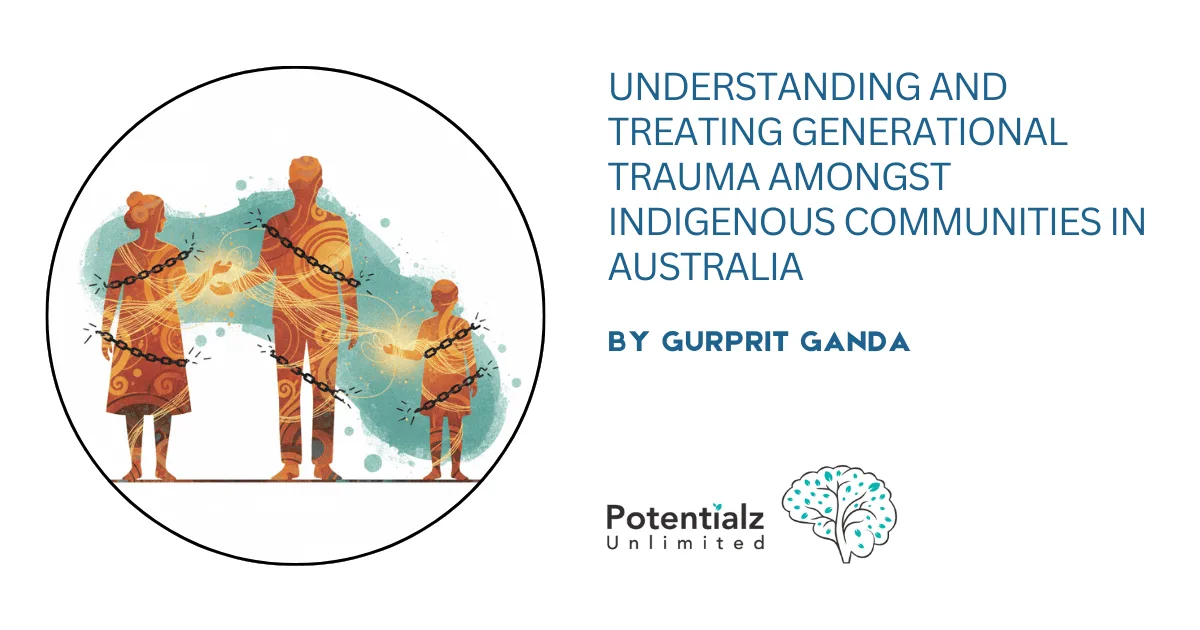
For over 65,000 years, Aboriginal and Torres Strait Islander peoples thrived on this continent with sophisticated social systems, deep spiritual connections to Country, and powerful healing traditions. However, the impacts of colonisation have created wounds that continue to affect Indigenous communities today through what we call generational trauma. This trauma doesn’t just affect individuals - it impacts entire families and communities across generations.
Understanding generational trauma in Indigenous communities requires us to recognise both the devastating effects of historical injustices and the incredible strength and resilience of Aboriginal and Torres Strait Islander peoples. More importantly, it calls us to support healing approaches that combine the best of traditional Indigenous knowledge with contemporary therapeutic practices.
This guide explores the complex nature of generational trauma, its specific impacts on Indigenous communities, and the culturally safe treatment approaches that are helping to break cycles of trauma and restore cultural pride and connection.
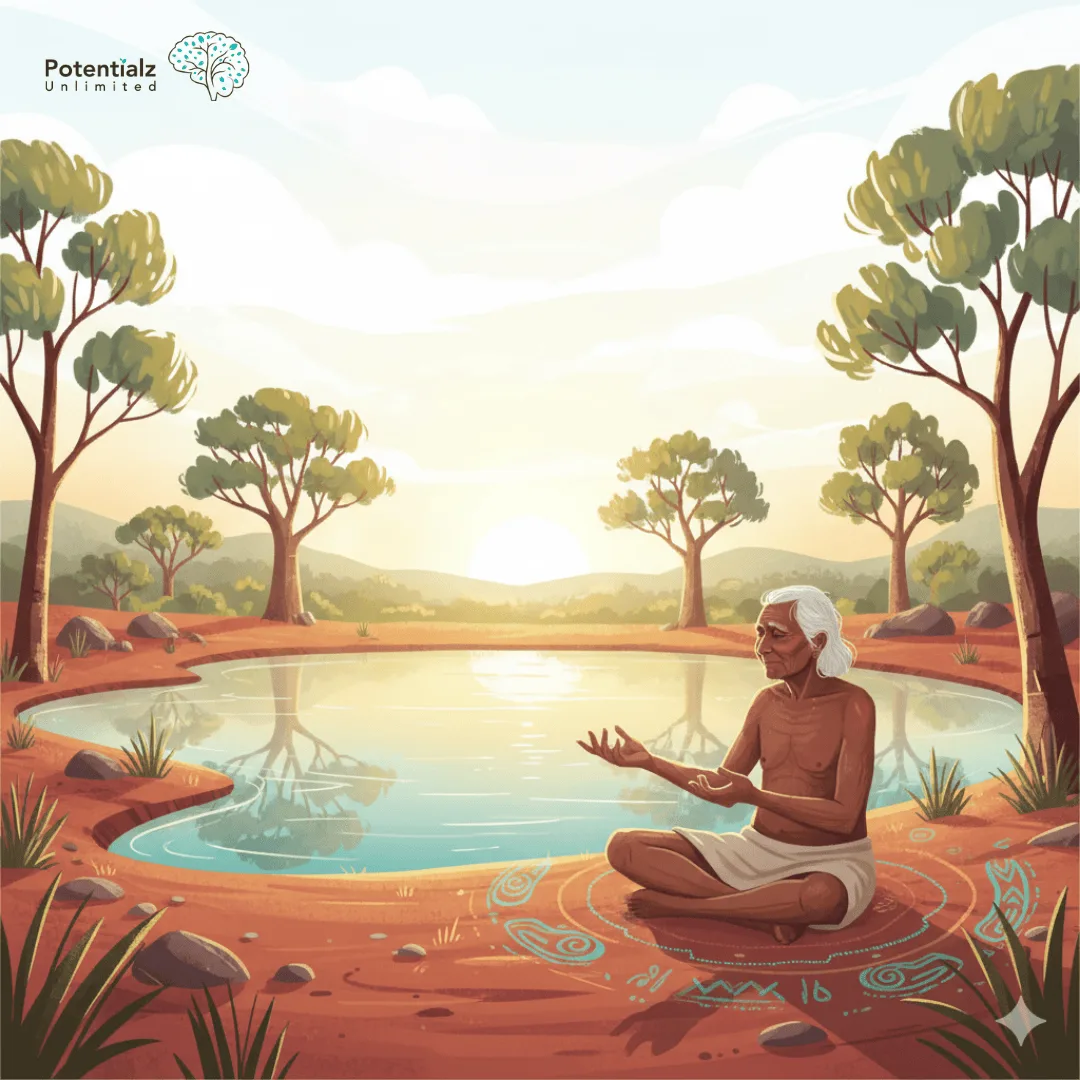 At sunrise, an Aboriginal elder sits by a billabong, embodying a deep connection to the land and ancestral wisdom in the Australian landscape.
What is Generational Trauma in Indigenous Communities?
Generational trauma, also known as intergenerational or transgenerational trauma, refers to the transmission of trauma from one generation to the next (Menzies, 2019). For Aboriginal and Torres Strait Islander peoples, this trauma stems primarily from the ongoing impacts of colonisation, including forced removal from Country, destruction of cultural practices, and systematic oppression.
The Historical Context
The Stolen Generations are Aboriginal and Torres Strait Islander people who were forcibly removed as children from their families and communities through race-based policies set up by both State and Federal Governments from 1910 to the 1970s. However, the trauma began much earlier with colonisation and continues today through ongoing discrimination and cultural disconnection.
Key historical trauma sources include:
- Massacres and violent dispossession of land
- Forced removal of children (Stolen Generations)
- Placement in missions and institutions
- Suppression of language, culture, and spiritual practices
- Ongoing institutional racism and discrimination
How Trauma Passes Between Generations
If people don’t have the opportunity to heal from past trauma, they may unknowingly pass it on to others. Their children may experience difficulties with attachment, disconnection from their extended families and culture and high levels of stress from family and community members who are dealing with the impacts of trauma.
Research shows that trauma can be transmitted through:
- Biological pathways: Changes in DNA and stress response systems
- Psychological pathways: Altered parenting patterns and emotional regulation
- Social pathways: Community disconnection and loss of cultural practices
- Spiritual pathways: Separation from Country and traditional healing practices
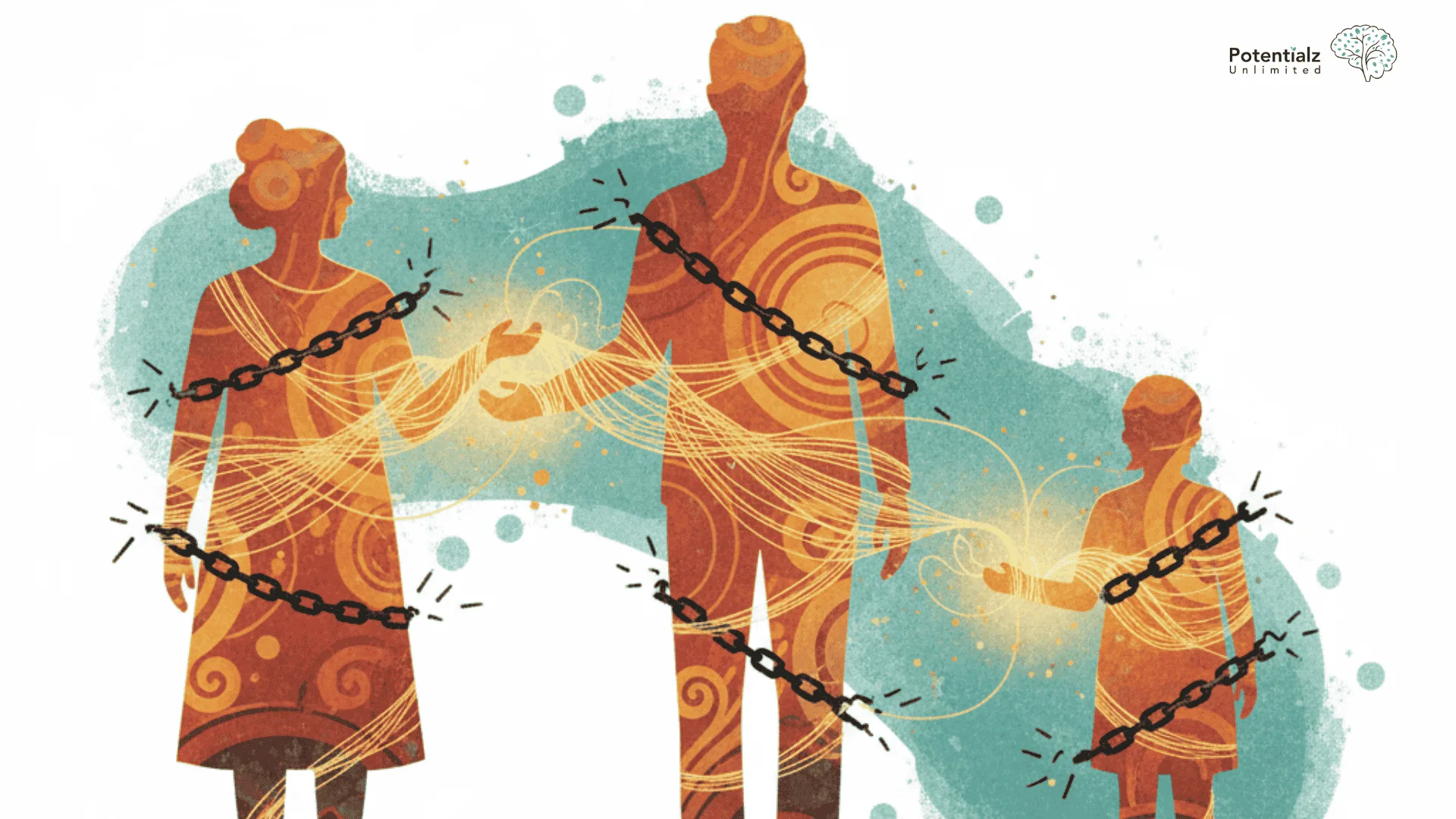 An illustration of intergenerational healing shows three family members connected by broken chains and golden threads, symbolizing the repair of generational trauma, set against earthy colors.
The Unique Impact on Aboriginal and Torres Strait Islander Communities
Social and Emotional Wellbeing (SEWB)
An understanding of the Indigenous model of health is necessary to prevent re-traumatisation. This model embraces connection to country, spirit, spirituality, ancestors, culture, community, family, kinship, the physical body, mind and emotions.
For Indigenous Australians, wellbeing isn’t just about individual mental health - it’s about connection to:
- Country: The land, waters, and sacred sites
- Culture: Language, traditions, and ceremonies
- Community: Extended family and kinship networks
- Spirituality: Ancestral connections and Dreamtime stories
Current Manifestations of Generational Trauma
The effects of colonisation and State-enforced policies continue to play out in every facet of the lives of First Nations’ communities as evidenced by the yearly “Closing the Gap” reports.
Statistics reflecting ongoing trauma impacts:
- Indigenous Australians are 10 times more likely to be imprisoned than non-Indigenous Australians
- Indigenous children are removed from families at rates 11 times higher than non-Indigenous children
- Life expectancy gaps of 8-9 years persist between Indigenous and non-Indigenous Australians
- Suicide rates among Indigenous youth are among the highest in the world
The Neurobiological Impact
Modern neuroscience confirms what Indigenous communities have long understood - trauma affects the whole person. Neurological research supports the view that unresolved trauma resides within the body as physiological memories, affecting stress responses, attachment patterns, and emotional regulation across generations.
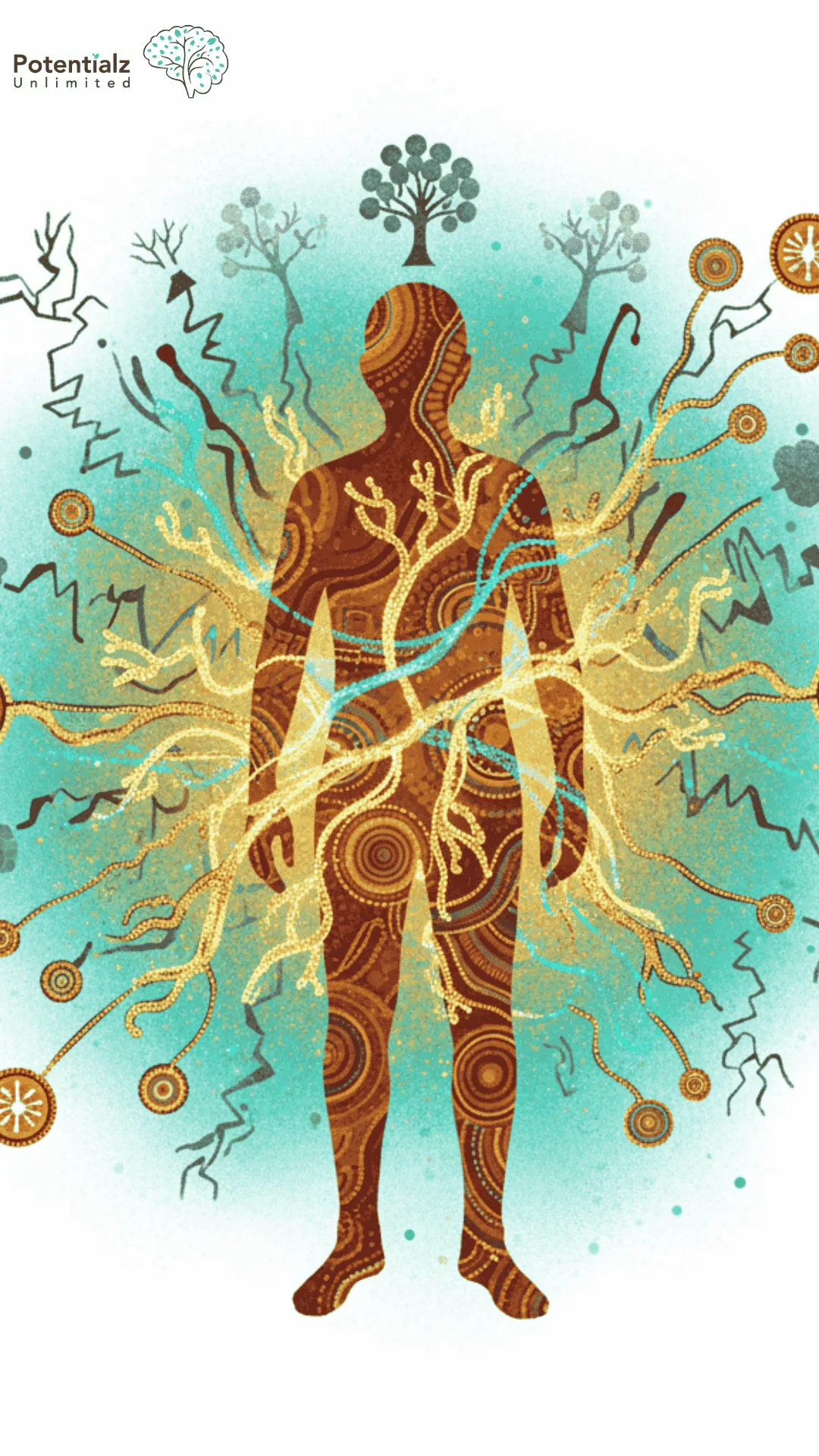 An Aboriginal artwork depicts a figure linked to Country, family, and culture, symbolizing broken and healing bonds, with traditional dot patterns representing neural pathways and transformation.
Understanding Culturally Safe Treatment Approaches
What is Cultural Safety?
Cultural safety goes far beyond cultural awareness or competency. Those who subscribe to the concept of cultural safety need to recognise and unpack racism that can be interpersonal, covert, overt, institutional or systemic.
Key principles of cultural safety include:
- Recognising power imbalances and historical trauma
- Understanding one’s own cultural biases and privilege
- Centering Indigenous voices and knowledge systems
- Addressing systemic barriers to healing
The Limitations of Western-Only Approaches
Non-Indigenous psychologists have described needing to step outside of their psychology training, as Western psychology models are considered inadequate for meeting the needs of Aboriginal people accessing mental health support.
Traditional Western therapy often:
- Focuses on individual symptoms rather than collective healing
- Ignores spiritual and cultural dimensions of wellbeing
- Fails to address historical and ongoing trauma
- Lacks understanding of Indigenous worldviews and healing practices
Evidence-Based Culturally Informed Treatment Approaches
Aboriginal Models of Healing
Aboriginal people are best placed to inform their healing needs, as they have lived through, resisted, and survived the trauma caused by colonisation for many generations.
Core elements of Indigenous healing approaches:
- Holistic healing: Addressing mental, physical, emotional, and spiritual needs
- Connection to Country: Incorporating land-based healing practices
- Cultural restoration: Reclaiming language, traditions, and ceremonies
- Community involvement: Healing within kinship and community networks
- Elder guidance: Learning from traditional knowledge holders
Trauma-Informed, Culturally Safe Practice
Services need to be ‘trauma-informed’, that is directly deal with trauma and its effects, while also being culturally responsive to Indigenous ways of knowing, being, and doing.
Essential components include:
- Safety: Creating physically and psychologically safe environments
- Trustworthiness: Building relationships based on respect and honesty
- Peer support: Learning from others with lived experience
- Collaboration: Sharing power and decision-making with clients
- Empowerment: Building on strengths and resilience
- Cultural responsiveness: Incorporating Indigenous values and practices
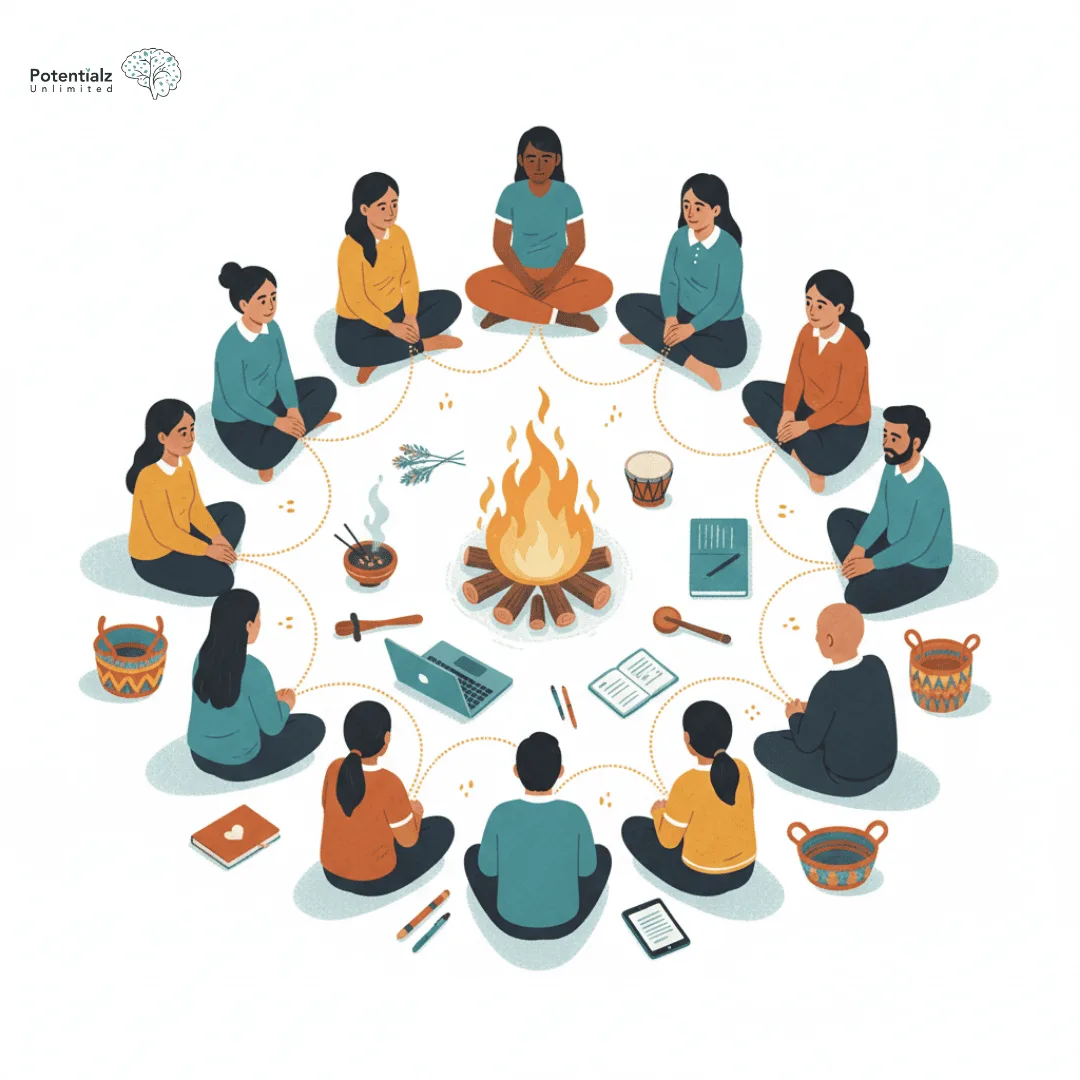 Healing circle unites Indigenous and non-Indigenous practitioners around a sacred fire, blending traditional and contemporary tools in a culturally informed practice.
Specific Therapeutic Modalities
1. Narrative Therapy with Cultural Adaptation
- Helps individuals re-author their stories
- Incorporates traditional storytelling methods
- Separates the person from the problem of trauma
2. Family Systems Therapy
- Addresses intergenerational trauma patterns
- Includes extended kinship networks
- Honors Indigenous family structures
3. Expressive Arts Therapy
- Uses traditional art forms (painting, dance, music)
- Connects with cultural identity and pride
- Provides non-verbal trauma processing
4. Land-Based Healing Programs
- Reconnects people with Country
- Uses traditional ecological knowledge
- Combines cultural learning with therapeutic practice
Community-Led Healing Programs and Initiatives
The Healing Foundation Model
To achieve success in these endeavors, it’s essential to collaborate with Aboriginal and Torres Strait Islander healing leaders, survivors, youth, therapists, and academics. Together, we can leverage traditional Indigenous healing wisdom alongside Western trauma insights, co-designing projects that merge these valuable perspectives.
Successful program elements:
- Community ownership and leadership
- Integration of cultural practices
- Intergenerational participation
- Strengths-based approaches
- Long-term sustainability planning
Cultural Strengthening Programs
Cultural connection for Aboriginal young people promotes wellbeing, resilience and healing. Research demonstrates that cultural strengthening programs help young people:
- Strengthen social and emotional wellbeing
- Build resilience against trauma and racism
- Develop stronger cultural identity
- Improve help-seeking behaviors
Effective cultural strengthening includes:
- Language revitalization programs
- Traditional skill-sharing workshops
- Ceremony and ritual participation
- Mentorship with Elders
- Connection to sacred sites and Country
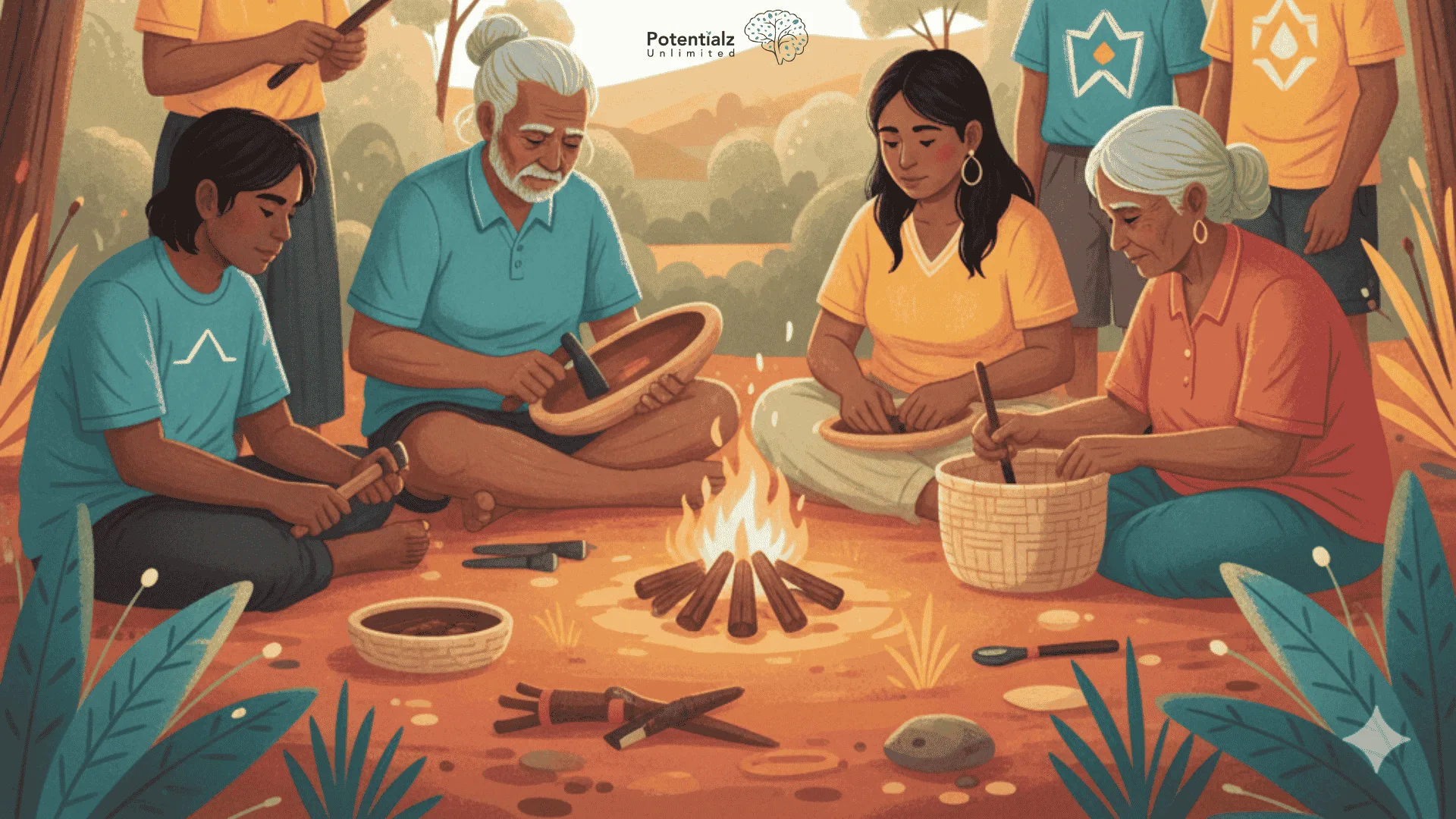 Young Indigenous individuals learn traditional skills from Elders, crafting with traditional tools in a natural bush setting, symbolizing the transmission of cultural knowledge and healing.
School and Community-Based Programs
At the Murri School in Queensland, therapeutic intervention, service coordination, family case work, family camps, and cultural activities have been combined to create a holistic healing environment for students.
Successful programs integrate:
- Trauma-informed educational practices
- Cultural learning in curricula
- Family and community involvement
- Traditional and contemporary healing methods
- Professional and cultural support workers
Test Your Knowledge
The Role of Non-Indigenous Practitioners
Essential Self-Reflection and Learning
Several knowledge holders described the importance of practitioners reflecting on their own cultural, political, and social positioning, and critically examining their beliefs, attitudes, and experiences concerning their practice and engagement with Aboriginal people.
Key areas for self-reflection:
- Understanding personal and professional privilege
- Examining unconscious biases and assumptions
- Learning about local Indigenous history and culture
- Recognizing limitations of Western training
- Committing to ongoing cultural learning
Best Practice Guidelines
1. Relationship Building
- Invest time in developing genuine relationships
- Show respect for Indigenous protocols and customs
- Listen more than you speak
- Acknowledge your position as a guest on Indigenous land
2. Collaborative Approach
- Share power and decision-making
- Follow Indigenous leadership
- Support community-designed programs
- Advocate for systemic change
3. Ongoing Learning
- Engage in regular cultural supervision
- Participate in cultural safety training
- Learn from Indigenous colleagues and mentors
- Stay updated on best practice research
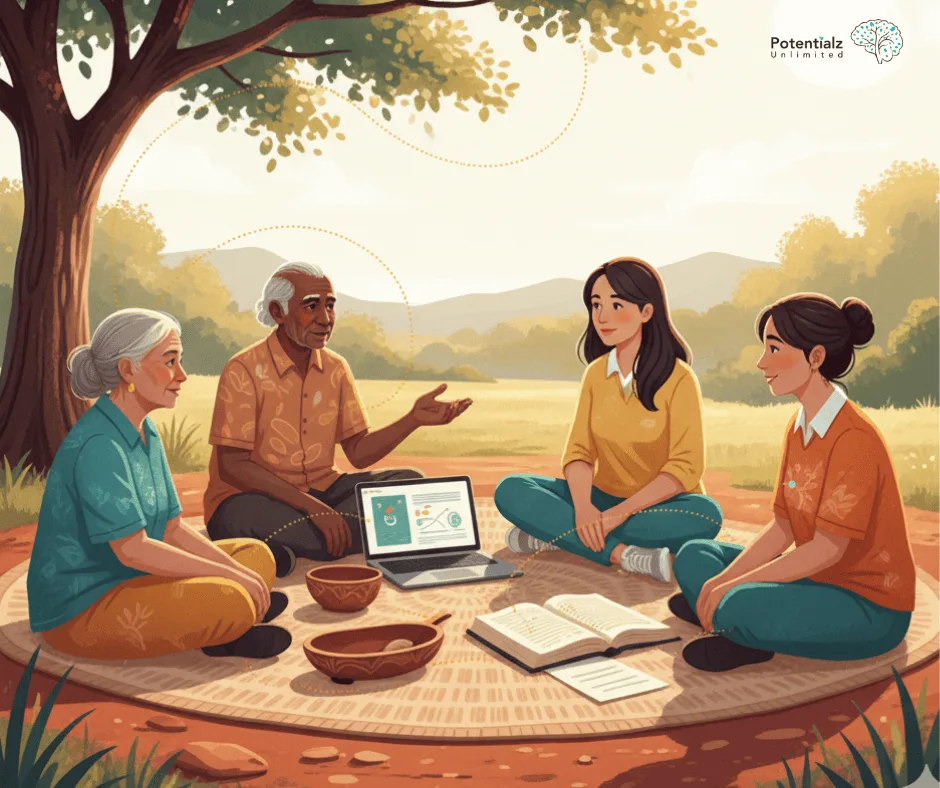 Indigenous and non-Indigenous practitioners exchanging knowledge and resources collaboratively in an outdoor setting.
When to Refer and How
Practitioners should consider referral to Indigenous-led services when:
- Clients specifically request Indigenous practitioners
- Cultural issues are central to the presenting concerns
- Specialized cultural healing approaches are needed
- Community-based interventions would be more appropriate
Addressing Systemic Barriers to Healing
Institutional Racism in Healthcare
The healthcare system has acknowledged institutional racism toward First Nations Peoples. However in the 21st century, First Nations Peoples are still dying earlier than non-Indigenous Australians.
Common barriers include:
- Discriminatory practices in healthcare settings
- Lack of culturally competent staff
- Insufficient funding for Indigenous-led programs
- Geographic barriers to accessing services
- Historical mistrust of mainstream services
Policy and Funding Implications
The current programmatic approaches to addressing challenges within Australian Indigenous communities will have limited impact unless accompanied by a significant focus on understanding and addressing structural factors, including intergenerational trauma.
Essential policy changes needed:
- Increased funding for Indigenous-led healing programs
- Mandatory cultural safety training for all healthcare workers
- Recognition of traditional healing practices in health policy
- Long-term commitment to community-controlled services
- Truth-telling and acknowledgment of historical trauma
The Importance of Truth-Telling
Healing cannot occur without acknowledgment of historical injustices. The recent Australians’ rejection of the Indigenous Voice in constitutional vote also indicates continuing structural injustice towards Indigenous Australians.
Truth-telling processes help by:
- Validating experiences of trauma and loss
- Creating opportunities for acknowledgment and apology
- Educating non-Indigenous Australians about history
- Supporting policy and legal reform
- Building bridges between communities
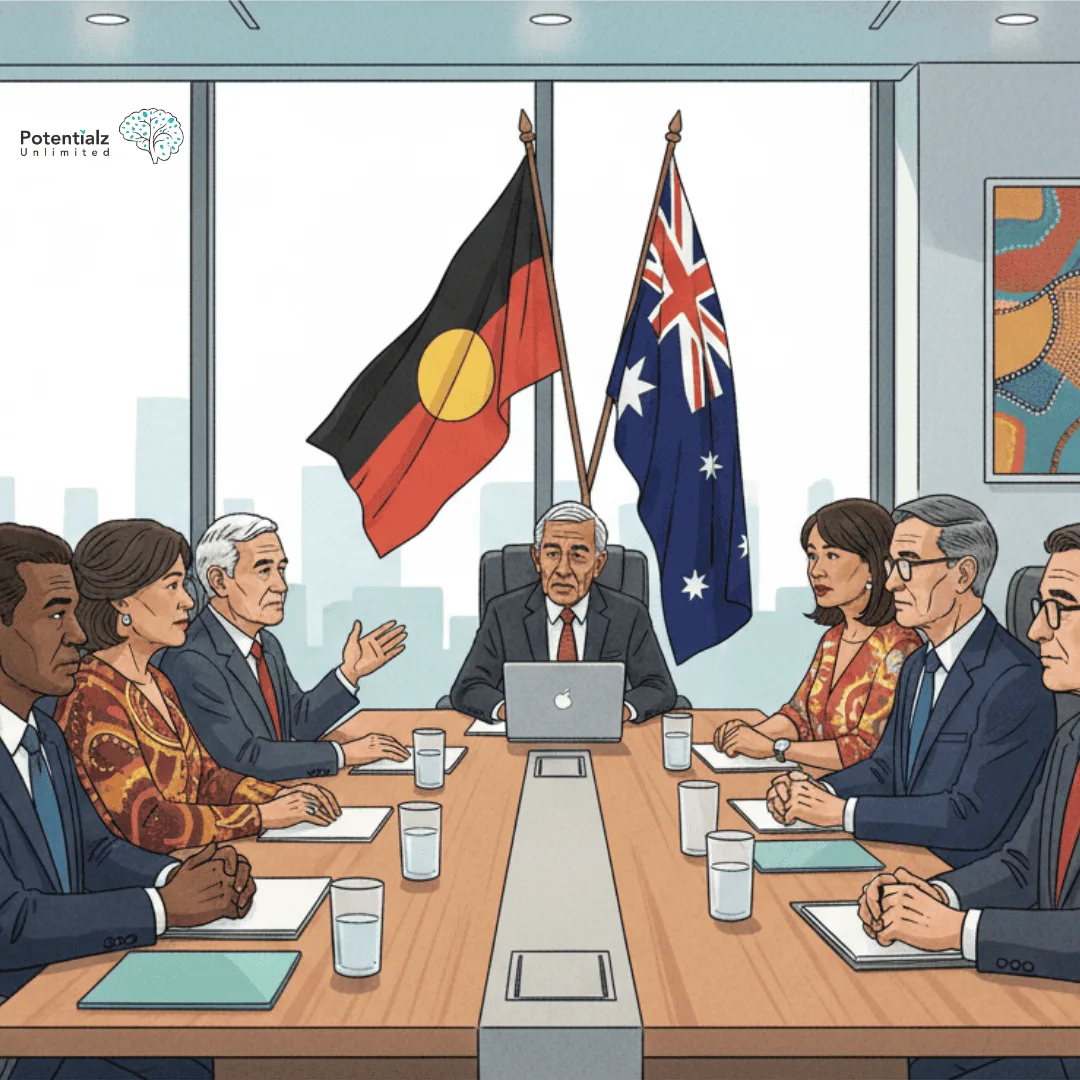 Government and community leaders engage in a policy dialogue for systemic change, highlighted by the Aboriginal flag for respect and inclusion.
Building Resilience and Protective Factors
Cultural Protective Factors
Research consistently shows that connection to culture acts as a protective factor against trauma and mental health challenges. Lived experience provided evidence that cultural strengthening programs help strengthen SEWB, including connection to self, relationships, community and culture.
Key protective factors include:
- Strong cultural identity and pride
- Connection to Country and traditional practices
- Supportive family and kinship networks
- Access to Elders and cultural mentors
- Participation in cultural ceremonies and events
- Knowledge of traditional languages
- Understanding of cultural values and protocols
Family and Community Healing
Through the provision of culturally safe, trauma-aware perinatal care we can intervene in cycles of intergenerational trauma to promote cycles of healing and nurturing.
Effective family healing approaches:
- Multigenerational therapy programs
- Family camps and cultural immersion experiences
- Parenting programs that incorporate traditional child-rearing practices
- Support for cultural transmission between generations
- Addressing substance use within cultural frameworks
Economic and Social Empowerment
True healing requires addressing the social determinants of health that perpetuate trauma:
- Employment and economic opportunities
- Safe and affordable housing
- Quality education that includes cultural learning
- Access to healthy food and environments
- Community infrastructure and services
Professional Support and Services
Finding Culturally Safe Practitioners
When seeking professional support for generational trauma, look for practitioners who:
- Have completed cultural safety training
- Work under Indigenous supervision or guidance
- Demonstrate understanding of historical trauma
- Use strengths-based, trauma-informed approaches
- Respect and incorporate cultural practices
- Are committed to ongoing cultural learning
Types of Services Available
Indigenous-Led Services:
- Aboriginal Community Controlled Health Organizations (ACCHOs)
- Traditional healing and cultural restoration programs
- Indigenous-specific counseling and therapy services
- Community healing circles and support groups
Mainstream Services with Cultural Competency:
- Hospitals and health services with Indigenous liaison officers
- Mental health services with cultural training
- Family and community services with Indigenous partnerships
- Educational institutions with cultural support programs
At Potentialz, we recognize the critical importance of culturally safe practice when working with Aboriginal and Torres Strait Islander clients. Our team commits to ongoing cultural learning and works collaboratively with Indigenous communities and practitioners. We provide trauma therapy and family support services using trauma-informed, culturally responsive approaches.
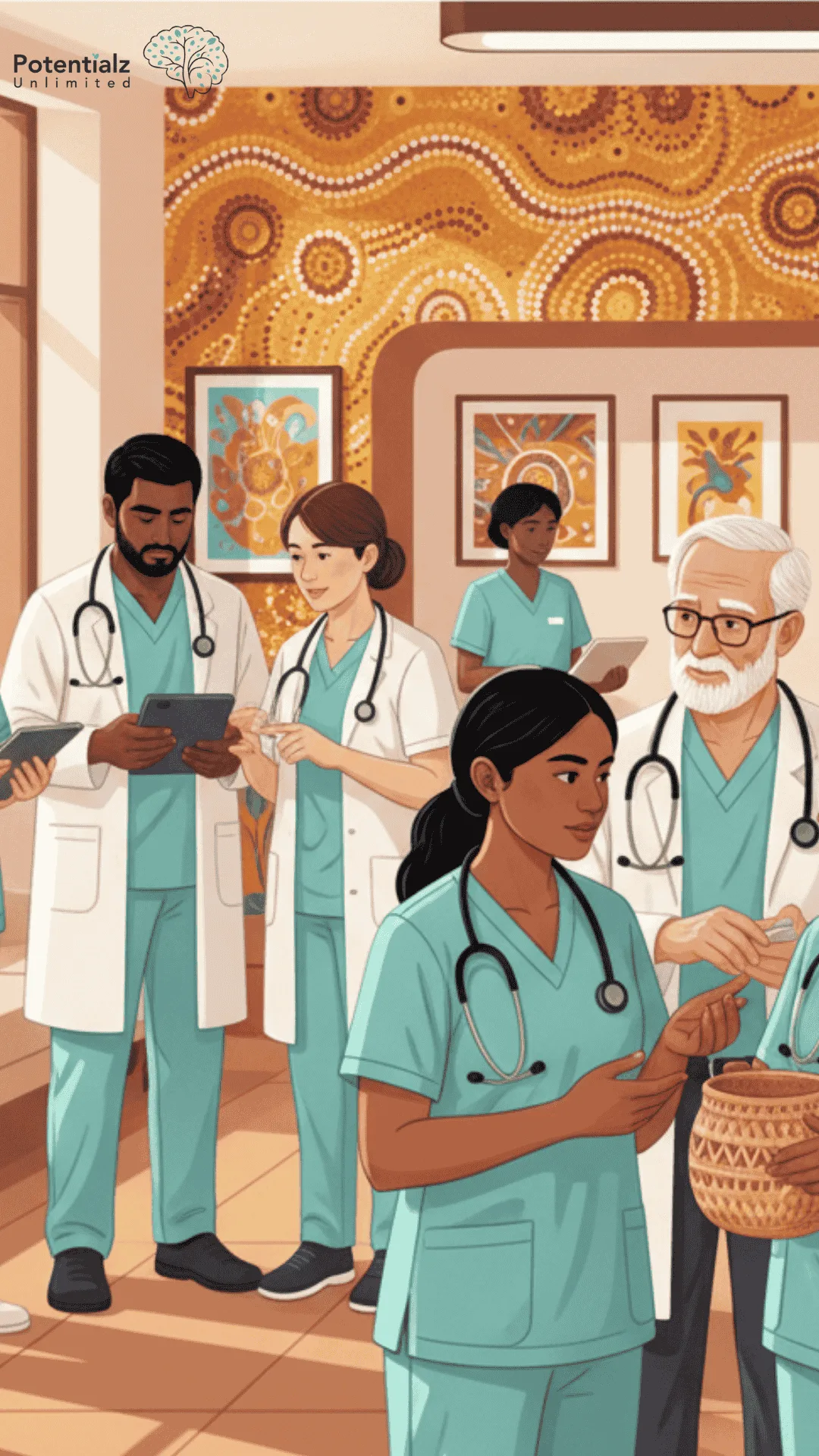 Healthcare professionals collaborate in a community health center, integrating culturally safe service delivery with a focus on Indigenous and non-Indigenous partnerships.
National and State Resources
- The Healing Foundation: National organization addressing intergenerational trauma
- 13YARN: National crisis support service for Aboriginal and Torres Strait Islander peoples
- Lifeline: 13 11 14 (available 24/7)
- Beyond Blue: 1300 22 4636
- Thirrili: 1800 805 801 (suicide postvention support)
The Path Forward: Hope and Healing
Emerging Innovations
Our education and training packages move beyond the mental health services delivery model and into a socio-cultural model of health which skills and empowers workers for personal and community developmental approaches for individual and group wellbeing.
Innovative approaches include:
- Technology-enabled cultural learning platforms
- Telehealth services for remote communities
- Integration of traditional and contemporary healing
- Youth-led cultural restoration projects
- Art and creative expression therapy programs
Research and Evidence Building
The insights gained stand to improve existing understandings and practices for culturally safe healing in Australia and beyond. Aboriginal voices, knowledges, and cultures must continue to be privileged in the efforts to heal.
Current research priorities include:
- Evaluation of cultural healing programs
- Understanding resilience factors in Indigenous communities
- Development of culturally adapted therapeutic approaches
- Investigation of epigenetic trauma transmission and healing
- Documentation of traditional healing knowledge
Vision for the Future
The ultimate goal is not just to treat trauma, but to support the restoration of cultural strength and pride that will protect future generations. This includes:
- Self-determination in health and healing services
- Recognition and integration of traditional healing practices
- Elimination of systemic racism and discrimination
- Truth-telling and reconciliation processes
- Investment in Indigenous-led solutions
Conclusion
Understanding and treating generational trauma amongst Indigenous communities in Australia requires a fundamental shift from deficit-based approaches to ones that recognize the incredible resilience, wisdom, and healing knowledge of Aboriginal and Torres Strait Islander peoples. For Aboriginal and Torres Strait Islander people, healing is a holistic process, which addresses mental, physical, emotional and spiritual needs and involves connection.
The path to healing generational trauma is not simple or quick, but it is possible. It requires commitment from individuals, communities, and institutions to:
- Acknowledge historical injustices and their ongoing impacts
- Center Indigenous voices and knowledge in healing approaches
- Address systemic barriers and discrimination
- Support community-led healing initiatives
- Invest in long-term, holistic approaches to wellbeing
Most importantly, it requires understanding that culture is not just part of the healing - culture IS the healing. When Aboriginal and Torres Strait Islander peoples are connected to Country, culture, community, and spirituality, they have access to healing knowledge that has sustained them for over 65,000 years.
By supporting culturally safe, trauma-informed approaches that honor Indigenous knowledge and leadership, we can help break cycles of trauma and support the restoration of cultural strength that will protect and nurture future generations.
Related Articles on Potentialz
- Breaking the Cycle: Understanding and Healing Intergenerational Trauma
- The Importance of Trauma-informed Care
- How Emotional Trauma Changes Your Brain
- Understanding How Cognitive Processing Therapy Helps Heal Trauma
References
- Atkinson, J. (2013). Trauma-informed services and trauma-specific care for Indigenous Australian children. Australian Institute of Health and Welfare. https://www.aihw.gov.au/reports/indigenous-australians/trauma-informed-services-and-trauma-specific-care/summary
- Australian Institute of Health and Welfare. (2024). Intergenerational trauma and mental health. Indigenous Mental Health and Suicide Prevention Clearinghouse. https://www.indigenousmhspc.gov.au/publications/trauma
- Graham, S., Kamitsis, I., Kennedy, M., Heris, C., Bright, T., Bennetts, S. K., Jones, K. A., Fiolet, R., Mohamed, J., Atkinson, C., & Chamberlain, C. (2024). Healing the past by nurturing the future: Trauma-aware, healing-informed care to improve support for Aboriginal and Torres Strait Islander families. BMJ Open, 14(7), e085555.
- The Healing Foundation. (2020). Intergenerational trauma. https://healingfoundation.org.au/intergenerational-trauma/
- Menzies, K. (2019). Understanding the Australian Aboriginal experience of collective, historical and intergenerational trauma. International Social Work, 62(6), 1522-1534.
- O’Neill, B. (2024). Decolonising the mind: Working with transgenerational trauma and First Nations Peoples. Judicial Commission of NSW. https://www.judcom.nsw.gov.au/publications/benchbks/judicial_officers/decolonising_the_mind.html
- Rodaughan, J., Murrup-Stewart, C., & Berger, E. (2024). Aboriginal practitioners’ perspectives on culturally informed practice for trauma healing in Australia. The Counseling Psychologist, 52(6), 758-791.
- Russell, L. M., Doyle, K., Tobin, R., & Howie, E. (2024). Are adverse childhood experiences (ACEs) the root cause of the Aboriginal health gap in Australia? BMJ Global Health, 9(3), e014452.
- We Al-li. (2021). Culturally informed trauma integrated healing training. https://www.wealli.com.au/
- Wright, A., Gray, P., Selkirk, B., Hunt, C., & Wright, R. (2021). Ticking the box of ‘cultural safety’ is not enough: Why trauma-informed practice is critical to Indigenous healing. Rural and Remote Health, 21(3), 6411.
Need Professional Support?
If you're experiencing mental health concerns, our team is here to help.