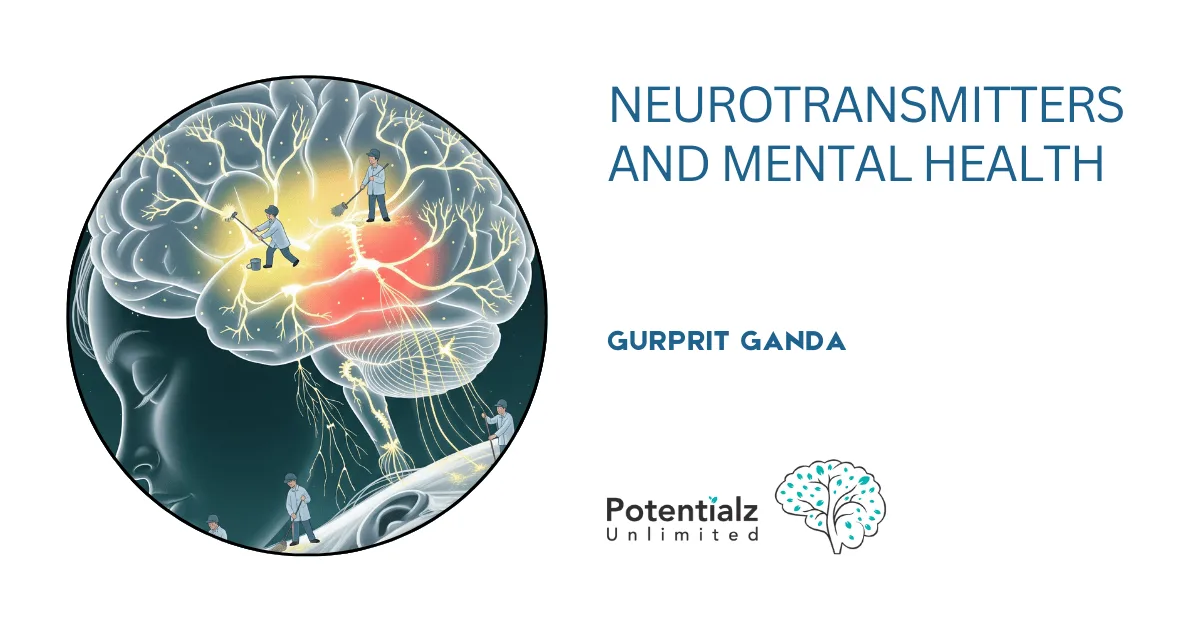
Wake Up! Your Brain’s Chemical Factory Is Starting
Right now, as you read this, millions of tiny chemical messengers are racing through your brain, deciding whether you’ll feel motivated or tired, happy or stressed, focused or scattered. These powerful molecules - called neurotransmitters - are like your brain’s personal text messaging system, except instead of sending emojis, they’re sending instructions that control your entire mental experience.
But here’s the amazing part: you have more control over these brain chemicals than you might think.
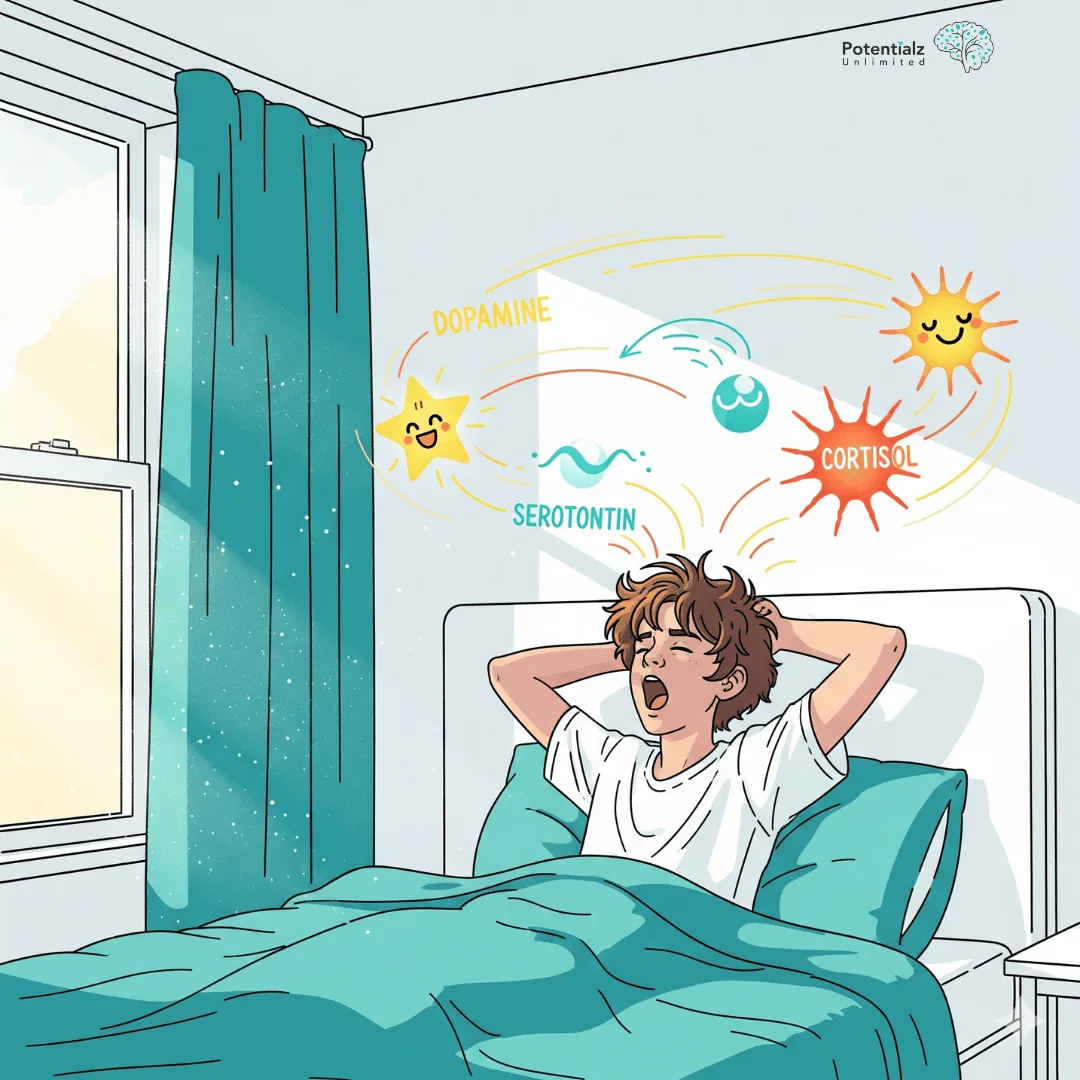 A teenager greets the morning as vibrant neurotransmitter molecules, representing dopamine, serotonin, and cortisol, animate the air, visualizing the brain’s lively start to the day.
The Secret Life of Your Brain Chemicals
Imagine your brain as a bustling city where 86 billion citizens (your neurons) need to communicate constantly. Neurotransmitters are like the city’s text messaging service - they carry important messages between brain cells across tiny gaps called synapses.
But unlike your phone’s messaging app, your brain sends about 100 billion messages per second!
Your Daily Chemical Cast of Characters
Meet the main players in your brain’s daily drama:
🌟 Serotonin - Your Inner Sunshine Think of serotonin as your brain’s happiness manager. It wakes up with you in the morning and helps you feel content and balanced throughout the day.
🚀 Dopamine - Your Motivation Rocket Fuel Dopamine is like your personal cheerleader. It gets excited when you accomplish something - even small things like finishing homework or getting a text from a friend.
😌 GABA - Your Brain’s Chill Pill GABA is your brain’s natural relaxation expert. It’s like having a wise, calm friend who helps you stay cool under pressure.
⚡ Norepinephrine - Your Alert System This is your brain’s security guard, keeping you alert and ready to respond to whatever life throws at you.
🧠 Glutamate - Your Learning Accelerator Glutamate is like your brain’s note-taking expert, helping you learn new information and form memories.
A Day in the Life: How Your Neurotransmitters Change
Let’s follow your brain chemicals through a typical day and see how they affect your mental health:
7:00 AM - Morning Chemical Wake-Up Call
When you wake up, your brain immediately starts adjusting your chemical balance:
- Serotonin levels begin rising with sunlight exposure
- Norepinephrine increases to help you feel alert
- GABA levels are still high from sleep, keeping you calm
What This Means
This is why morning sunlight can instantly improve your mood - it’s literally triggering your happiness chemicals!
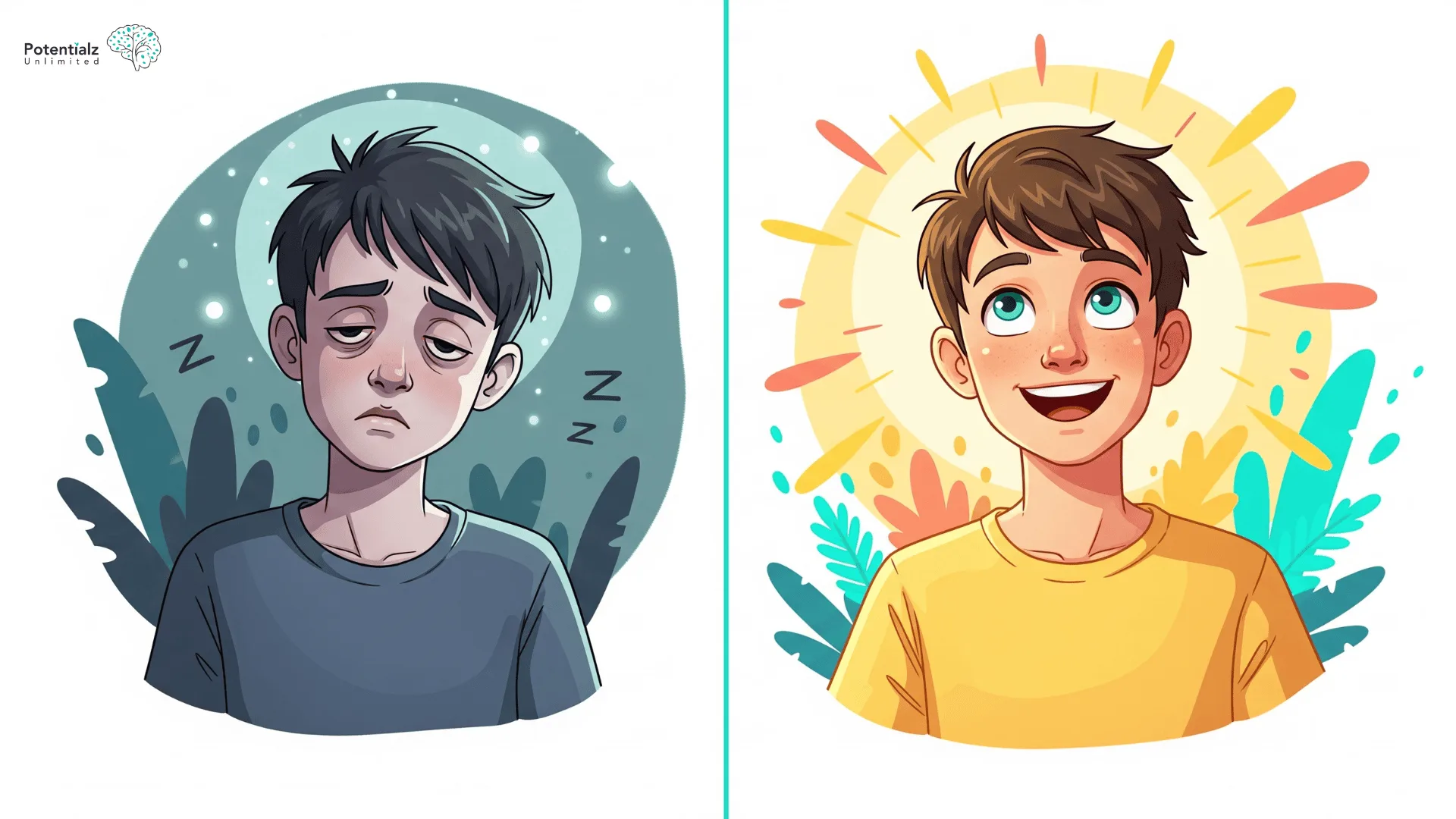 From Groggy to Gleeful: A Teen’s Transformation from Dim Light to Daylight Delight.
12:00 PM - Midday Chemical Balancing Act
By midday, your neurotransmitter system is in full swing:
- Dopamine spikes when you complete tasks or receive positive feedback
- Serotonin helps regulate your appetite and mood during lunch
- Glutamate is working hard during learning activities
What This Means
This is why achieving small goals throughout the day feels so good - you’re literally giving yourself natural mood boosters!
6:00 PM - Evening Chemical Transition
As evening approaches, your brain chemistry shifts:
- Serotonin starts converting to melatonin for sleep preparation
- GABA activity increases to help you wind down
- Norepinephrine begins decreasing
What This Means
This natural chemical shift explains why you might feel more emotional or tired in the evening - it’s your brain preparing for rest and recovery.
10:00 PM - Nighttime Chemical Reset
During sleep, your brain does crucial maintenance:
- Growth hormone is released to repair neurotransmitter systems
- Glial cells clean up chemical waste from the day
- Memory consolidation processes organize the day’s experiences
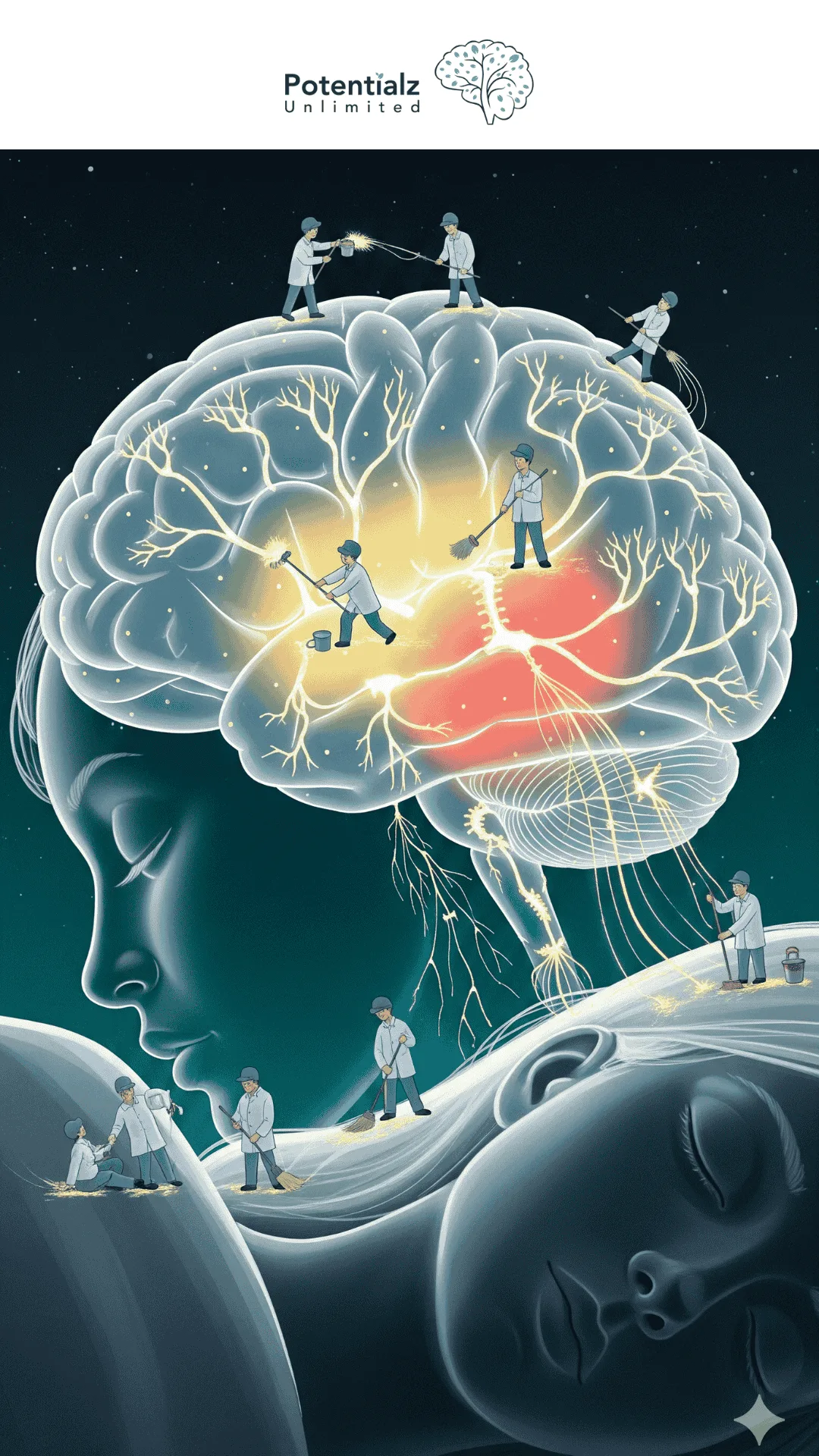 While a teenager sleeps peacefully, their brain engages in vital cleaning and repair activities, illuminating the night with its gentle glow.
The Game-Changing Discovery: Your Second Brain
Here’s something that might blow your mind: you have a second brain in your gut!
Scientists have discovered that your digestive system contains over 500 million neurons - that’s more than in your spinal cord. This “enteric nervous system” produces many of the same neurotransmitters found in your head-brain, including:
Specific Research Findings (2024-2025)
🔬 90% of your serotonin is actually made in your gut, not your brain!
🔬 Gut bacteria can produce dopamine, GABA, and other mood-regulating chemicals
🔬 Your gut bacteria directly communicate with your brain through the vagus nerve
🔬 People with depression often have different gut bacteria patterns than those without depression
This discovery demonstrates that what you eat directly affects your mental health through neurotransmitter production.
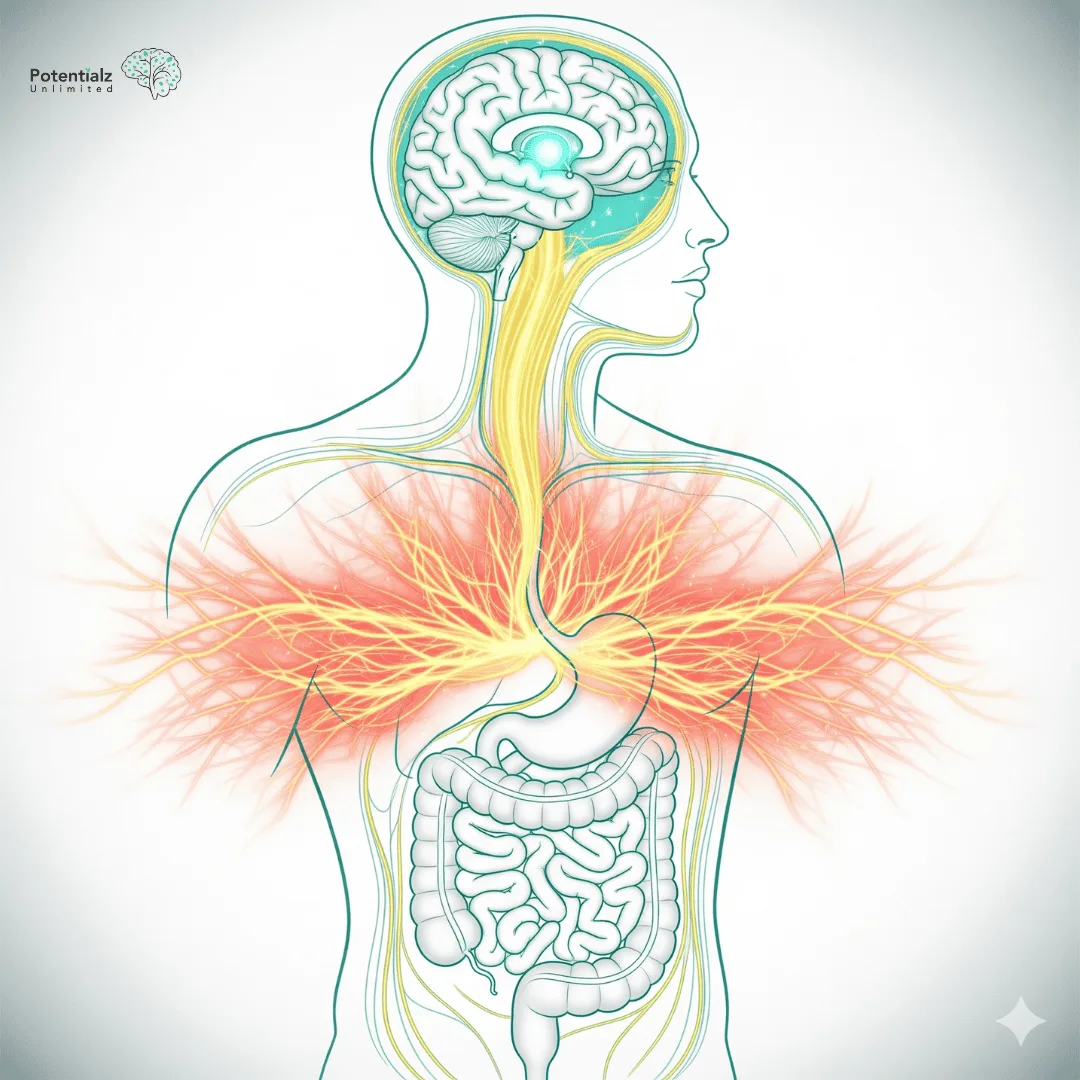 Artistic depiction of the intricate gut-brain connection, highlighting vibrant neurotransmitter pathways between the digestive system and brain, and illustrating the concept of the “second brain.”
When Your Chemical Messengers Go Off-Script
Sometimes, neurotransmitter systems can become imbalanced. Here’s how to recognize when your brain chemicals might need support:
Signs Your Neurotransmitters Need Attention
Serotonin Imbalance Signals
- Persistent sad or irritable moods
- Changes in sleep patterns
- Loss of interest in activities you usually enjoy
- Appetite changes
Dopamine Imbalance Signals
- Difficulty feeling motivated
- Problems with focus and attention
- Reduced pleasure in activities
- Fatigue or low energy
GABA Imbalance Signals
- Excessive worry or anxiety
- Difficulty relaxing or sleeping
- Feeling “wired” or overstimulated
- Muscle tension
Norepinephrine Imbalance Signals
- Difficulty concentrating
- Problems with memory
- Extreme stress responses
- Feeling overwhelmed by daily activities
Important Note: These symptoms can have many causes. If you’re experiencing persistent mental health challenges, it’s important to talk to a healthcare professional.
The Breakthrough Treatments
Mental health treatment is going through a big change thanks to new understanding of neurotransmitters:
Big Discovery #1: Ketamine Treatment
What’s New?
Scientists discovered that a medication called ketamine can treat severe depression within hours instead of the weeks traditional antidepressants require.
How It Works Differently
Instead of targeting serotonin like older medications, ketamine works on the glutamate system, helping build new brain connections rapidly.
Latest Clinical Results (2024)
The FDA has approved esketamine (a form of ketamine) as a nasal spray for people with treatment-resistant depression. This represents the biggest breakthrough in depression treatment in over 30 years.
Big Discovery #2: GABA-Based Rapid Relief
New Research (2023-2024)
Scientists have developed medications that target specific GABA receptors for faster-acting anxiety and depression relief. These treatments:
- Work within days instead of weeks
- Have fewer side effects than traditional medications
- Don’t require daily long-term use
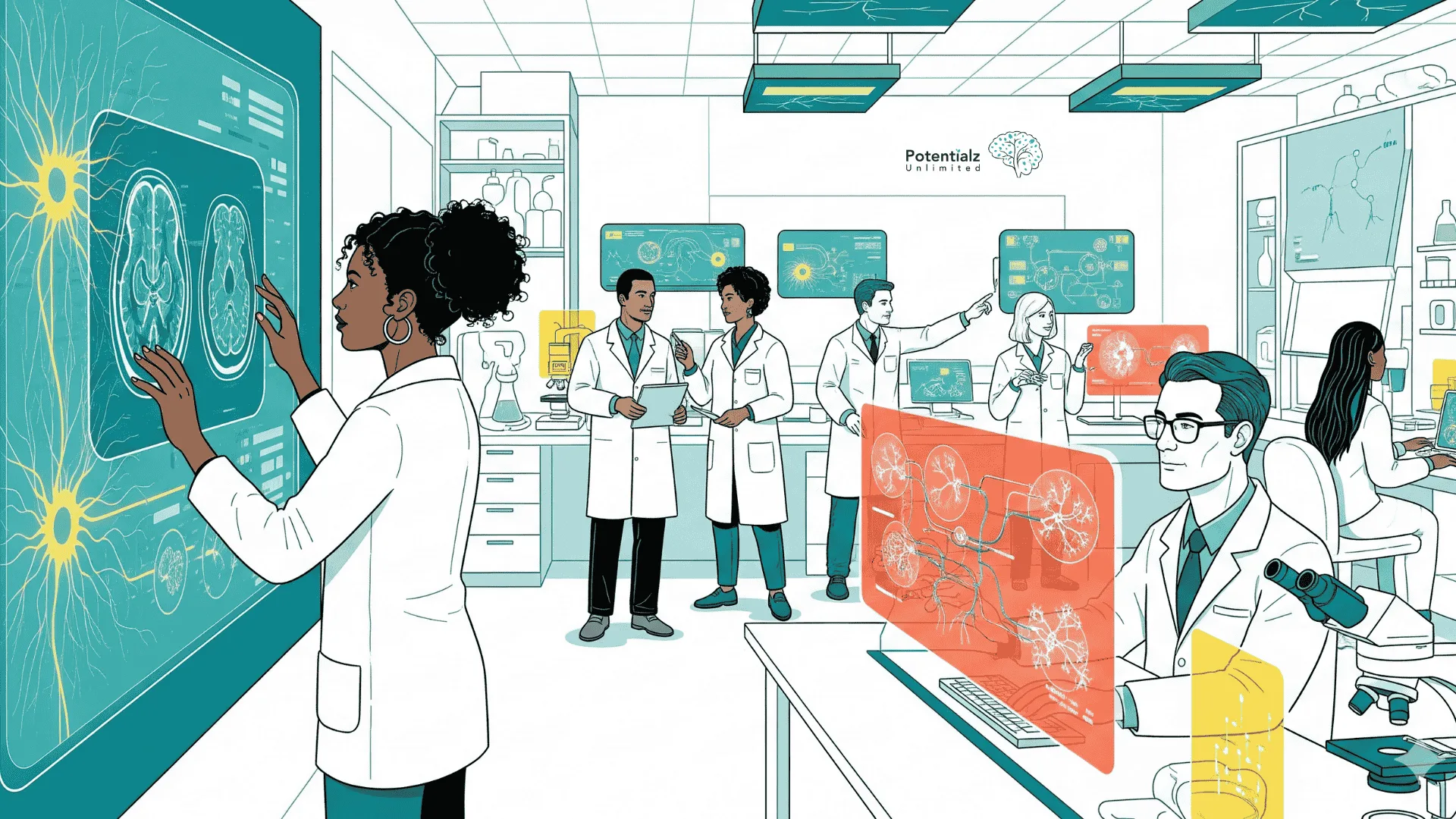 Scientists in a modern lab collaborate on examining brain scans and exploring neurotransmitter pathways to develop innovative treatments.
Your Personal Neurotransmitter Optimization Guide
The best part about understanding neurotransmitters is that you can naturally support them through daily choices:
Level 1: Foundation Builders (Start Here!)
Morning Sunshine Protocol:
- Get 10-15 minutes of sunlight within 2 hours of waking
- This naturally boosts serotonin and regulates your daily chemical cycle
- Works even on cloudy days (just take longer)
Movement Medicine:
- Any physical activity for 20-30 minutes releases multiple feel-good chemicals
- Dancing, walking, sports, or even cleaning your room counts!
- Exercise is like a natural antidepressant
Sleep Sanctuary:
- Consistent sleep schedule helps reset all neurotransmitter systems
- Your brain literally cleans out toxic chemicals during sleep
- Aim for 8-10 hours per night (yes, really!)
Level 2: Nutrition for Your Brain Chemicals
Serotonin-Supporting Foods
- Turkey, eggs, salmon (contain tryptophan, serotonin’s building block)
- Complex carbs like oatmeal and sweet potatoes
- Fermented foods like yogurt and kefir for gut health
Dopamine-Boosting Foods
- Protein-rich foods: chicken, fish, beans, nuts
- Tyrosine-rich foods: almonds, avocados, bananas
- Antioxidant powerhouses: berries, dark chocolate (in moderation!)
GABA-Enhancing Foods
- Whole grains and brown rice
- Green tea (contains L-theanine, which supports GABA)
- Magnesium-rich foods: leafy greens, nuts, seeds
Latest Research Insight (2024)
Studies show that people who eat more fermented foods have better mental health outcomes, likely due to improved gut bacteria producing more mood-supporting neurotransmitters.
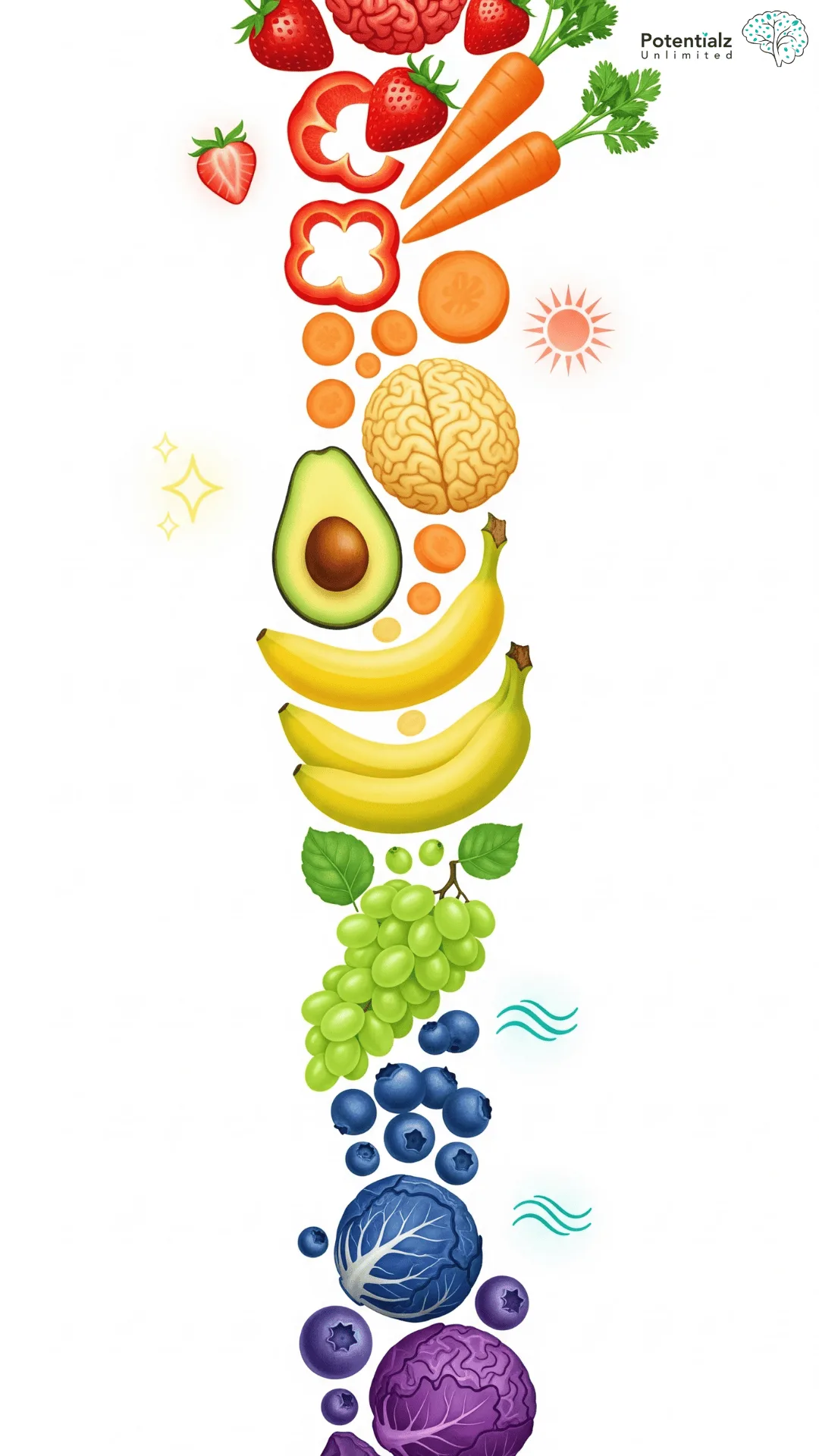 A vibrant array of brain-boosting foods, illustrating how different nutrients support neurotransmitter function and cognitive health.
Level 3: Advanced Optimization Techniques
Mindfulness for GABA
- Just 10 minutes of meditation daily increases GABA activity
- Deep breathing exercises activate your calm-down chemicals
- Progressive muscle relaxation reduces stress hormones
Social Connection for Dopamine
- Meaningful conversations with friends boost dopamine
- Helping others activates reward pathways
- Laughing releases multiple feel-good chemicals
Creative Expression for Multiple Systems
- Art, music, writing activate multiple neurotransmitter pathways
- Creative activities boost both dopamine and serotonin
- Self-expression helps process emotions through healthy channels
The Gut-Brain Revolution: Practical Applications
Based on 2024-2025 research, here’s how to support your “second brain”:
Probiotic Power Players (Evidence-Based)
For Mood Support
- Lactobacillus helveticus and Bifidobacterium longum: Clinical studies show these reduce anxiety and depression symptoms
- Found in specific yogurts and probiotic supplements
For Calm and Focus
- Lactobacillus rhamnosus: Produces GABA directly in your gut
- Bifidobacterium infantis: Supports serotonin production
Daily Gut-Brain Care
Prebiotic Foods (Feed Your Good Bacteria):
- Garlic, onions, asparagus
- Bananas, apples with skin
- Whole grains and legumes
Fermented Food Challenge
Try to include one fermented food daily:
- Yogurt with live cultures
- Kefir, kombucha, or kimchi
- Miso soup or tempeh
Gut-Brain Connection Tip
Recent research shows that people who eat fermented foods daily have more diverse gut bacteria and better mental health outcomes.
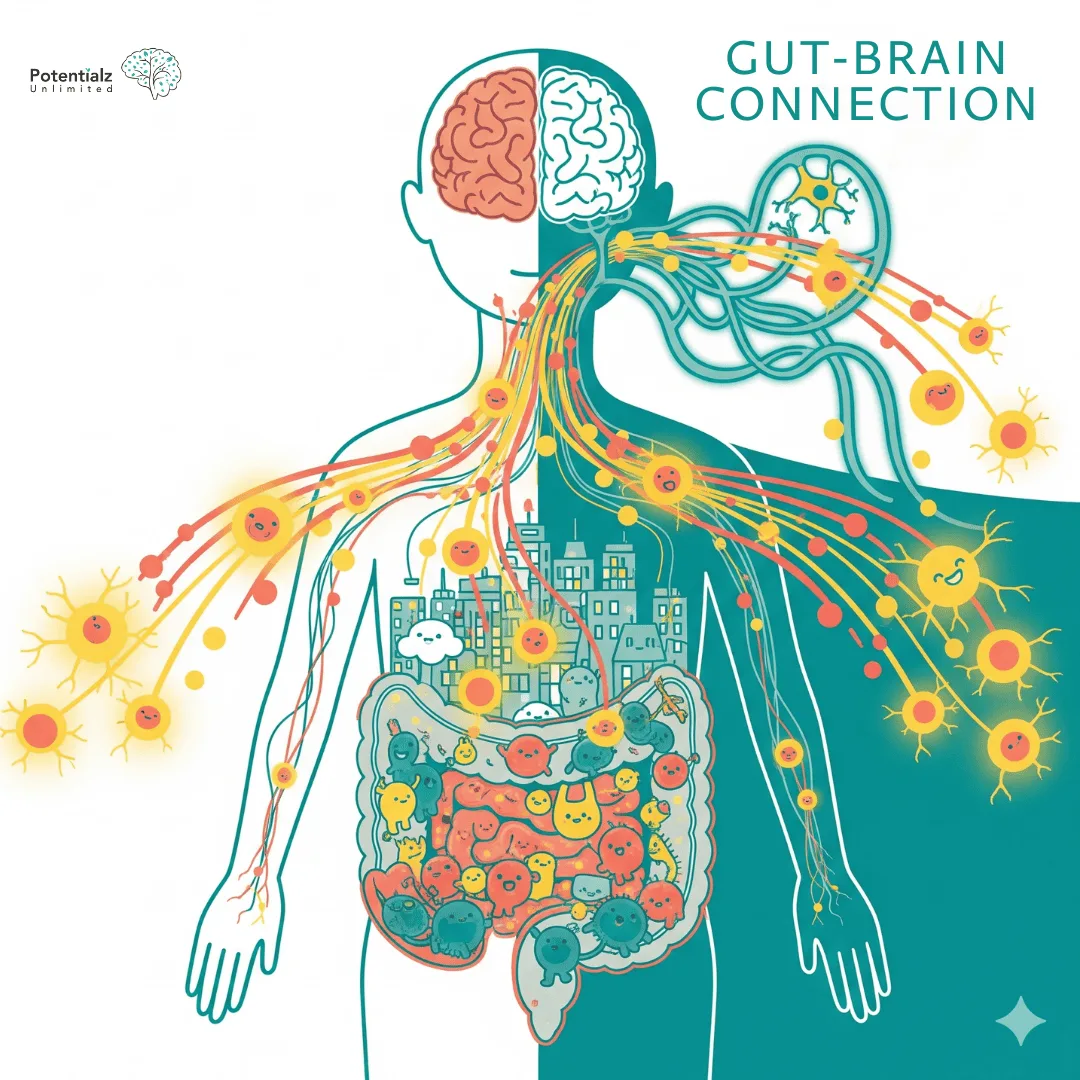 The illustration shows the vibrant gut-brain connection, with friendly microbiomes in the intestines producing colorful neurotransmitters that travel to the brain.
Test Your Knowledge About Neurotransmitters and Mental Health
Your 30-Day Neurotransmitter Transformation Challenge
Ready to optimize your brain chemistry? Here’s a practical month-long plan:
Week 1: Foundation Setting
Daily Goals
- Morning sunlight within 2 hours of waking
- 20 minutes of movement (any kind!)
- One fermented food per day
- Consistent bedtime
Week 2: Nutrition Focus
Add to Week 1
- Include protein at every meal
- Add one GABA-supporting food daily
- Try a new probiotic-rich food
- Reduce processed foods by 25%
Week 3: Mindfulness Integration
Add to Weeks 1-2
- 5-10 minutes daily meditation or deep breathing
- Practice gratitude (write down 3 things daily)
- Social connection goal: meaningful conversation with someone daily
- Try one creative activity weekly
Week 4: Advanced Steps
Add to Weeks 1-3
- Experiment with intermittent fasting (with professional guidance)
- Cold exposure (cold showers for stress resilience)
- Nature exposure (forest bathing or green space time)
- Reflect on changes in mood, energy, and focus
Track Your Progress
- Daily mood rating (1-10)
- Energy levels throughout the day
- Sleep quality
- Focus and concentration
- Overall life satisfaction
When to Seek Professional Support
Understanding neurotransmitters helps you communicate better with healthcare providers, but some situations need professional attention:
Red Flag Symptoms
- Persistent hopelessness lasting more than 2 weeks
- Thoughts of self-harm or suicide
- Severe anxiety interfering with daily activities
- Dramatic mood swings affecting relationships
- Substance use to manage emotions
- Significant changes in eating or sleeping patterns
Types of Professional Help
Psychiatrists
Medical doctors who can prescribe medications that target specific neurotransmitter systems
Psychologists
Practitioners of psychotherapy approaches that can naturally influence neurotransmitter function
Nutritional Therapists
Experts in using food and supplements to support brain chemistry
Integrative Medicine Doctors
Practitioners who combine conventional and natural approaches
At Potentialz Unlimited, our team understands how neurotransmitters and mental health work together. We offer evidence-based treatments including Cognitive Behavioural Therapy (CBT), EMDR therapy, and comprehensive mental health assessments.
The Future Is Bright: What’s Coming Next
The field of neurotransmitter research is exploding with exciting developments:
Personalized Brain Chemistry (2025-2030)
- Genetic testing to determine your optimal neurotransmitter support plan
- Microbiome analysis for personalized probiotic recommendations
- Wearable devices that monitor your stress and neurotransmitter patterns in real-time
Revolutionary Treatments in Development
- Psychedelic-assisted therapy for treatment-resistant depression and PTSD
- Targeted light therapy to optimize circadian neurotransmitter rhythms
- Precision nutrition apps that recommend foods based on your genetic neurotransmitter profile
- Brain stimulation devices for home use that safely modulate neurotransmitter activity
Technology-Enhanced Mental Health
- AI therapy assistants that help optimize your daily neurotransmitter-supporting activities
- Virtual reality environments designed to trigger specific beneficial neurotransmitter responses
- Smart home systems that automatically adjust lighting, temperature, and soundscapes to support optimal brain chemistry
Your Neurotransmitter Success Story Starts Now
Here’s the incredible truth: every single day, you make hundreds of choices that directly influence your brain chemistry and mental health. From the moment you wake up and decide whether to check your phone or get some sunlight, to what you eat for breakfast, how you move your body, and how you interact with others - you’re constantly directing your brain’s chemical orchestra.
The research is clear: understanding and supporting your neurotransmitters can transform your mental health in ways that seemed impossible just a few years ago. You’re not at the mercy of your brain chemistry - you’re its conductor.
Key Takeaways for Your Journey:
🧠 Your brain is plastic: Neurotransmitter systems can change and improve throughout your life
🌱 Small changes, big impact: Simple daily habits can create significant improvements in brain chemistry
🔬 Science is advancing rapidly: New treatments and understanding are emerging every year
🫂 You’re not alone: Professional support combined with self-care creates the best outcomes
🚀 The future is hopeful: Personalized mental health care based on neurotransmitter science is coming
Remember, mental health is brain health, and brain health is influenced by the choices you make every day. By understanding how your neurotransmitters work and implementing science-based strategies to support them, you’re taking control of your mental wellbeing in the most empowering way possible.
Your journey to optimal mental health through neurotransmitter understanding starts with your very next choice. What will you choose to support your brain chemistry today?
References
- Bremshey, S., & Rentschler, K. M. (2024). The role of serotonin in depression—A historical roundup and future directions. Journal of Neurochemistry, 160(3), 314-342. https://doi.org/10.1111/jnc.16097
- Chen, Y., Liu, J., Wang, H., & Sivamaruthi, B. S. (2024). Microbiota–gut–brain axis and its therapeutic applications in neurodegenerative diseases. Signal Transduction and Targeted Therapy, 9, 37. https://doi.org/10.1038/s41392-024-01743-1
- Krystal, J. H., Kavalali, E. T., & Monteggia, L. M. (2024). Ketamine and rapid antidepressant action: new treatments and novel synaptic signaling mechanisms. Neuropsychopharmacology, 49(1), 41-50. https://doi.org/10.1038/s41386-023-01629-w
- Kumari, S., Chaudhry, H. A., Sagot, A., Doumas, S., Abdullah, H., Alcera, E., Solhkhah, R., & Afzal, S. (2024). Exploring esketamine’s therapeutic outcomes as an FDA-designated breakthrough for treatment-resistant depression and major depressive disorder with suicidal intent: A narrative review. Cureus, 16(2), e53987. https://doi.org/10.7759/cureus.53987
- Ma, S., Chen, M., Jiang, Y., Wang, H., Fan, C., Peng, Q., Ding, J., Yang, H., Hu, B., & Zhang, J. (2024). The correlation between gut microbiota and both neurotransmitters and mental disorders: A narrative review. Medicine, 103(5), e37114. https://doi.org/10.1097/MD.0000000000037114
- Moncrieff, J., Cooper, R. E., Stockmann, T., Amendola, S., Hengartner, M. P., & Horowitz, M. A. (2023). The serotonin theory of depression: a systematic umbrella review of the evidence. Molecular Psychiatry, 28, 3243–3256. https://doi.org/10.1038/s41380-022-01661-0
- Niciu, M. J., Henter, I. D., Luckenbaugh, D. A., Zarate Jr, C. A., & Charney, D. S. (2024). Understanding the mechanism of action and clinical effects of neuroactive steroids and GABAergic compounds in major depressive disorder. Translational Psychiatry, 13, 228. https://doi.org/10.1038/s41398-023-02514-2
- Raja, S. M., Guptill, J. T., Mack, M., Peterson, M., Byard, S., Twieg, R., Jordan, L., Rich, N., Castledine, R., Bourne, S., Wilmshurst, M., Oxendine, S., Avula, S. G. C., Zuleta, H., Quigley, P., Lawson, S., McQuaker, S. J., Ahmadkhaniha, R., Appelbaum, L. G., & Thomas, C. J. (2024). A phase 1 assessment of the safety, tolerability, pharmacokinetics and pharmacodynamics of (2R,6R)-hydroxynorketamine in healthy volunteers. Clinical Pharmacology & Therapeutics, 116(5), 1314–1324. https://doi.org/10.1002/cpt.3391
- Teleanu, R. I., Niculescu, A. G., Roza, E., Vladacenco, O., Grumezescu, A. M., & Teleanu, D. M. (2022). Neurotransmitters—Key factors in neurological and neurodegenerative disorders of the central nervous system. International Journal of Molecular Sciences, 23(11), 5954. https://doi.org/10.3390/ijms23115954
- Ullah, H., Arbab, S., Tian, Y., Liu, C., Chen, Y., Qijie, L., Khan, M. I. U., Hassan, I. U., & Li, K. (2023). The gut microbiota–brain axis in neurological disorder. Frontiers in Neuroscience, 17, 1225875. https://doi.org/10.3389/fnins.2023.1225875
- You, M., Xie, Z., Zhang, N., Zhang, Y., Xiao, D., & Liu, S. (2024). The gut microbiota–brain axis in neurological disorders. MedComm, 5(7), e656. https://doi.org/10.1002/mco2.656
Need Professional Support?
If you're experiencing mental health concerns, our team is here to help.