Introduction: Rethinking What We Know About Depression
For decades, we’ve been told that depression is caused by a “chemical imbalance” in the brain - specifically, low levels of serotonin. This idea has shaped how millions of people understand their mental health and influenced treatment decisions worldwide. But what if this widely accepted explanation isn’t the complete picture?
Recent groundbreaking research has challenged long-held beliefs about serotonin and depression, leading to important conversations about how we understand and treat mental health conditions. For families in the Hills Council, Parramatta Council, Blacktown Council, and Hawkesbury Council areas, understanding these developments can help make more informed decisions about mental health care.
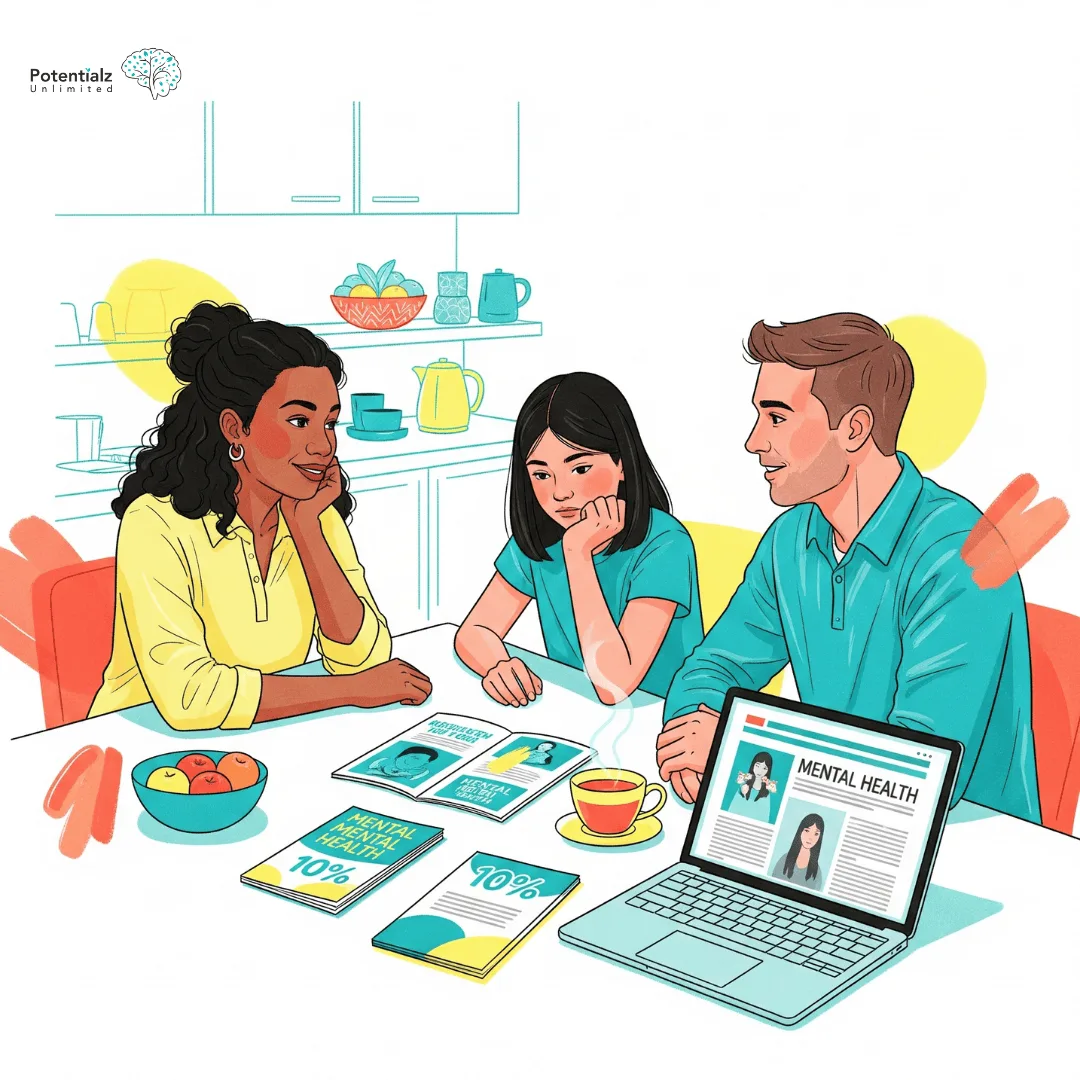 A modern family engages in a meaningful conversation around the kitchen table, surrounded by mental health resources and research, fostering a supportive environment for mental health education.
Understanding Serotonin: The Mood Messenger
Serotonin, scientifically known as 5-hydroxytryptamine (5-HT), is a neurotransmitter that plays important roles throughout your body. Think of neurotransmitters as chemical messengers that help different parts of your brain communicate with each other.
What Does Serotonin Actually Do?
In the Brain:
- Helps regulate mood and emotional responses
- Influences sleep-wake cycles
- Affects appetite and food cravings
- Plays a role in memory and learning
Throughout the Body:
- About 90% of your body’s serotonin is actually produced in your gut
- Helps control digestive processes
- Affects blood clotting and wound healing
- Influences cardiovascular function
Interestingly, recent research has found that Scientists Find Promising New Target for Antidepressants—In the Gut, suggesting that increasing serotonin in the gut epithelium—the thin layer of cells lining the small and large intestines—improves symptoms of anxiety and depression in animal studies.
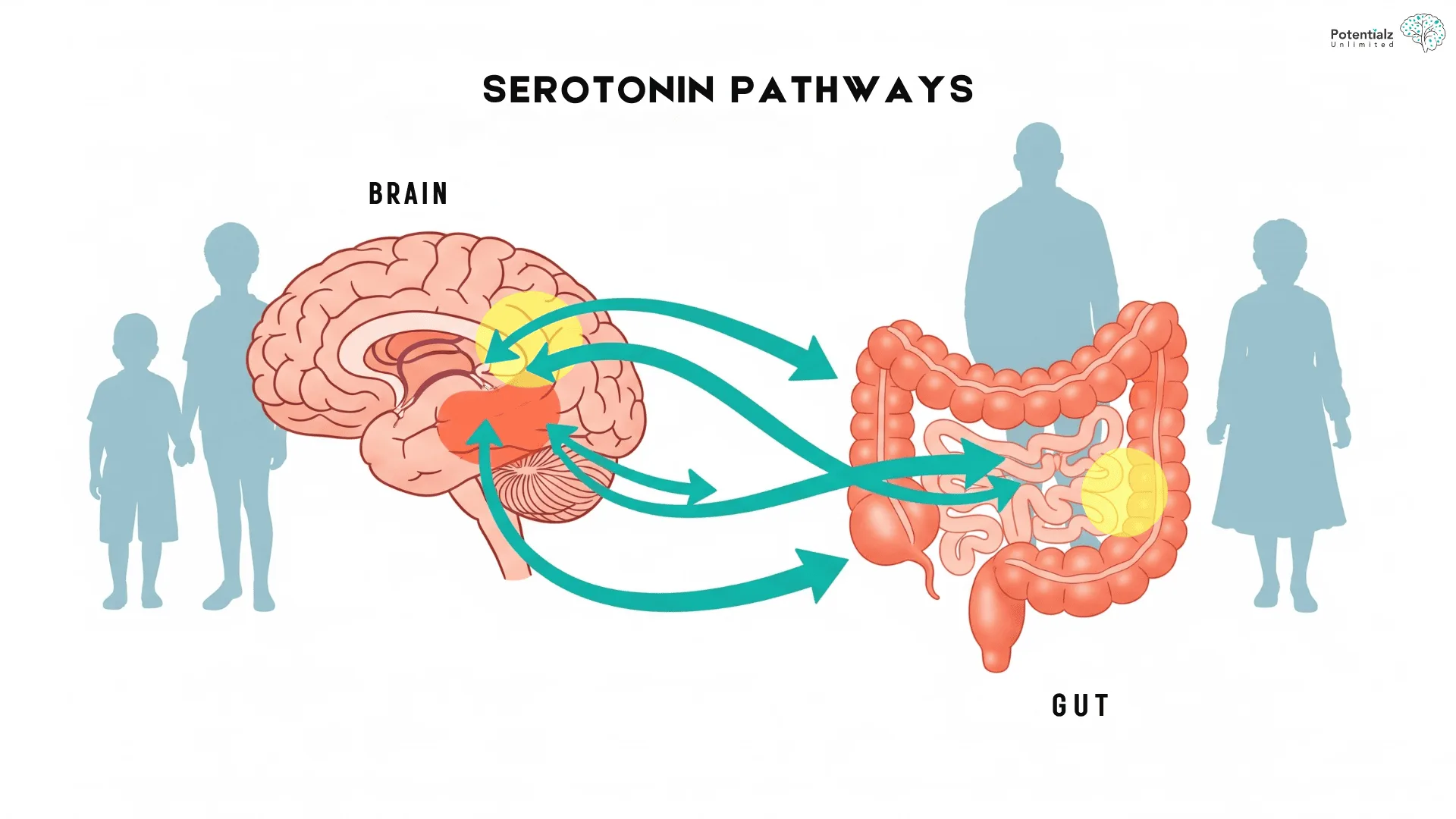 Diagram illustrating serotonin pathways between the brain and gut, highlighting the communication links that affect people of all ages universally.
The Traditional Serotonin Hypothesis: A 50-Year-Old Theory
The serotonin hypothesis of depression was first proposed in the 1960s and gained widespread acceptance, particularly with the introduction of SSRI antidepressants in the 1990s. This theory suggested that depression results from low levels of serotonin activity in the brain.
The Original Theory Claimed:
- Depression is caused by serotonin deficiency
- Increasing serotonin levels would cure depression
- SSRIs work by correcting this “chemical imbalance”
- The solution is primarily biological/pharmaceutical
How This Theory Influenced Treatment
This hypothesis became deeply embedded in:
- Medical education and practice
- Public understanding of mental health
- Pharmaceutical marketing
- Treatment guidelines worldwide
Surveys suggest that 80% or more of the general public now believe it is established that depression is caused by a ‘chemical imbalance’, and many general practitioners also subscribe to this explanation.
The Game-Changing Research: What We Now Know
In 2022, researchers published a comprehensive umbrella review in Molecular Psychiatry that examined decades of research on serotonin and depression. The findings were striking and have significant implications for how we understand mental health.
Key Research Findings
No Evidence of Serotonin Deficiency
The serotonin theory of depression: a systematic umbrella review of the evidence found no consistent evidence linking low serotonin concentrations to depression. Studies comparing serotonin levels in people with and without depression showed no significant differences.
Surprising Discovery About Serotonin Activity
Research actually suggested that, if anything, there was increased serotonin activity in people with depression, though this finding may be explained by previous antidepressant use.
Tryptophan Depletion Studies
When researchers artificially lowered serotonin levels in healthy volunteers by removing tryptophan (the building block of serotonin) from their diets, it did not produce depression in hundreds of participants.
Genetic Studies
Large studies involving tens of thousands of patients found no differences in serotonin-related genes between people with depression and healthy individuals.
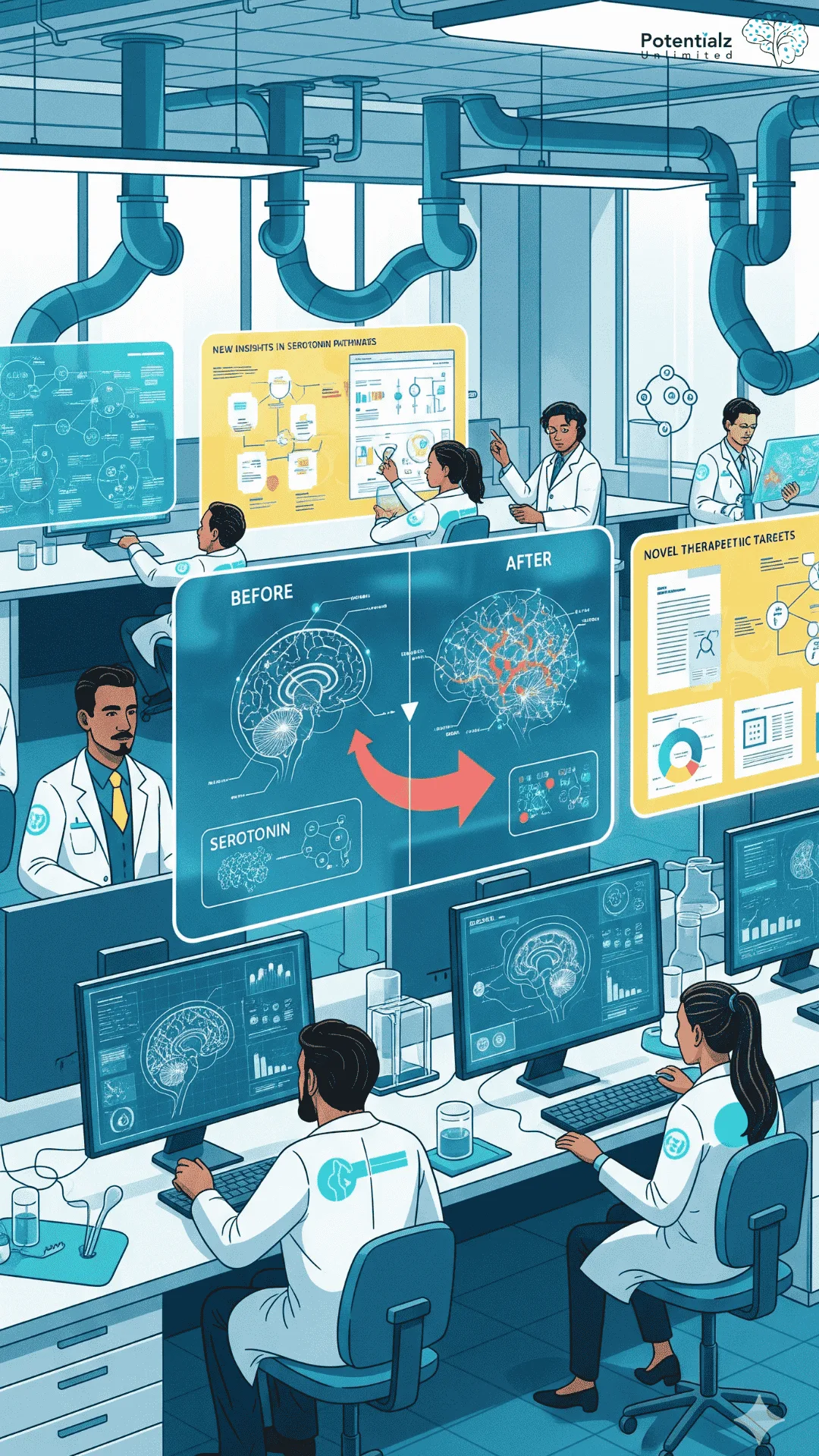 Scientists collaborate in a high-tech lab, analyzing brain scans and data to advance serotonin research, showcasing significant progress with visual “before and after” insights.
Understanding SSRIs: How They Actually Work
Selective Serotonin Reuptake Inhibitors (SSRIs) remain widely prescribed medications for depression. Common SSRIs include:
- Fluoxetine (Prozac)
- Sertraline (Zoloft)
- Citalopram (Celexa)
- Escitalopram (Lexapro)
- Paroxetine (Paxil)
The Mechanism of Action
SSRIs work by blocking the reabsorption (reuptake) of serotonin into neurons, thereby increasing its availability in the synaptic cleft - the space between brain cells. However, new research suggests that Researchers from the University of Colorado Anschutz Medical Campus have established a new framework for understanding how classic antidepressants work.
New Understanding: The Neuroplasticity Framework
Recent research proposes that antidepressants may work not by correcting a serotonin imbalance, but by:
Improving Brain Communication
“The best evidence of changes in the brain in people suffering from MDD is that some brain regions are not communicating with each other normally. When the parts of the brain responsible for reward, happiness, mood, self-esteem, even problem solving… are not communicating with each other properly, then they can’t do their jobs properly.”
Enhancing Neuroplasticity
SSRIs may promote the brain’s ability to form new neural connections and adapt to change, rather than simply increasing serotonin levels.
Supporting Brain Network Function
The medications might help restore healthy communication patterns between different brain regions involved in mood regulation.
SSRI Effectiveness: What the Research Shows
Clinical Trial Results
Despite questions about the underlying theory, SSRIs do show effectiveness in clinical trials:
- Response rates of approximately 48% compared to 30% for placebo
- Moderate effect sizes in well-designed studies
- Benefits often take 4-6 weeks to become apparent
Limitations and Concerns
Delayed Onset
SSRIs often take several weeks to show improvements, and during this time, especially in younger populations, SSRIs may exacerbate pre-existing anxiety or suicidality.
Common Side Effects:
- Nausea and digestive issues
- Sleep disturbances
- Sexual dysfunction
- Weight changes
- Emotional blunting
Individual Variation
Not everyone responds to SSRIs, with treatment-resistant depression affecting a significant portion of patients.
 Healthcare professional engaging in a thoughtful discussion about medication options with a patient, using visual aids to highlight benefits and side effects in a welcoming clinical environment.
Alternative and Complementary Treatments: Beyond SSRIs
Understanding that depression is complex and multifaceted opens doors to various effective treatment approaches beyond medication.
Cognitive Behavioral Therapy (CBT): The Evidence-Based Champion
Recent comprehensive research shows that CBT is highly effective for depression:
Impressive Research Results
A 2023 meta-analysis including 409 trials with 52,702 patients found that CBT had moderate to large effects compared to control conditions (effect size = 0.79), and CBT was significantly more effective than other psychotherapies.
Long-term Benefits
The effects of CBT did not differ significantly from those of pharmacotherapies at the short term, but were significantly larger at 6-12 month follow-up, suggesting lasting benefits that continue after treatment ends.
How CBT Helps Depression
- Identifies negative thought patterns and helps replace them with more balanced thinking
- Teaches practical coping skills for managing daily challenges
- Addresses behavioral patterns that maintain depression
- Provides tools for preventing relapse
Brain Changes with CBT
Stanford Medicine research found that CBT can lead to lasting changes in brain function. In patients who responded to problem-solving therapy (a type of CBT), brain scans showed improved efficiency in cognitive control circuits, meaning “they have more efficient cognitive processing, meaning now they need fewer resources in the cognitive control circuit to do the same behavior.”
Other Effective Psychotherapy Approaches
Interpersonal Psychotherapy (IPT)
- Focuses on relationship patterns and social functioning
- Particularly effective for depression related to interpersonal conflicts
- Well-established treatment for both adults and adolescents
Problem-Solving Therapy
- Teaches practical skills for addressing life challenges
- Shows response rates of 32% compared to only 17% for antidepressants in some studies
- Particularly helpful for people facing multiple stressors
Mindfulness-Based Cognitive Therapy (MBCT)
- Combines mindfulness practices with cognitive therapy techniques
- Especially effective for preventing depression relapse
- Helps people develop a different relationship with their thoughts
Lifestyle and Holistic Approaches
Exercise: Natural Mood Enhancement
Regular physical activity can be as effective as antidepressants for some people:
- Releases natural mood-boosting chemicals like endorphins
- Improves sleep quality and energy levels
- Enhances self-esteem through accomplishment
- Provides social connection when done in groups
Nutrition and Mental Health
Foods that Support Mood:
- Omega-3 rich fish (salmon, sardines, mackerel)
- Complex carbohydrates (whole grains, vegetables)
- Protein sources containing tryptophan (turkey, eggs, cheese)
- Fermented foods for gut health (yogurt, kefir, sauerkraut)
The Gut-Brain Connection Recent research emphasizes the importance of gut health in mental well-being, with 90% of serotonin actually produced in the digestive system.
Sleep and Mental Health
Quality sleep is crucial for mental health:
- Aim for 7-9 hours of consistent sleep
- Maintain regular sleep-wake cycles
- Create a calming bedtime routine
- Limit screen time before bed
Social Connection and Support
Strong relationships provide:
- Emotional support during difficult times
- Sense of belonging and purpose
- Opportunities for meaningful activities
- Natural stress reduction through shared experiences
Digital and Technology-Enhanced Treatments
Next-Generation CBT
The landscape of mental health treatment is expanding with technology:
Digital CBT Platforms
- Online therapy programs with proven effectiveness
- Self-guided modules for skill building
- 24/7 accessibility for support
AI-Powered Support
- Chatbots for immediate crisis support
- Personalized treatment recommendations
- Progress tracking and monitoring
Blended Care Models
Combining traditional therapy with digital tools shows promise for enhanced outcomes and increased accessibility.
Treatment-Resistant Depression: When Standard Approaches Don’t Work
For some individuals, neither SSRIs nor psychotherapy alone provide sufficient relief. This condition, known as treatment-resistant depression (TRD), affects a significant portion of people with depression.
Emerging Treatment Options
Ketamine and Esketamine
- Rapid-acting treatments that work on different brain pathways
- Can provide relief within hours or days
- Require specialized medical supervision
Psychedelic-Assisted Therapy
- Research into psilocybin and MDMA-assisted psychotherapy
- Early results show promise for treatment-resistant cases
- Still largely experimental and not widely available
Brain Stimulation Therapies
- Transcranial Magnetic Stimulation (TMS)
- Electroconvulsive Therapy (ECT) for severe cases
- Deep brain stimulation for research settings
Cultural Considerations for Multicultural Communities
For families from diverse cultural backgrounds in the Hills, Parramatta, Blacktown, and Hawkesbury areas, understanding mental health through both scientific and cultural lenses is important.
Culturally Responsive Mental Health Care
Integrating Cultural Values
- Respecting traditional healing practices alongside evidence-based treatments
- Understanding cultural attitudes toward mental health
- Incorporating family and community support systems
Language and Communication
- Access to mental health services in preferred languages
- Understanding cultural expressions of distress
- Respecting different communication styles
Holistic Approaches
Many cultures naturally embrace holistic approaches to health, which aligns well with comprehensive mental health treatment that includes:
- Mind-body practices
- Community support
- Spiritual or philosophical frameworks
- Family involvement in healing
 Community members gather at a cultural center for an inclusive meeting on mental health, where interpreters and multicultural resources bridge scientific insights with cultural wisdom.
Practical Implications: What This Means for You
If You’re Currently Taking SSRIs
Don’t Stop Abruptly
If you’re currently taking antidepressants and they’re helping you, continue taking them as prescribed. The new research doesn’t mean SSRIs don’t work - it means we don’t fully understand how they work.
Work with Your Healthcare Provider
- Discuss the latest research findings
- Explore combining medication with psychotherapy
- Consider gradual transitions if appropriate
- Monitor your response to treatment carefully
If You’re Considering Treatment Options
Start with Evidence-Based Approaches
- Consider CBT as a first-line treatment
- Explore combination approaches
- Address lifestyle factors
- Build a support network
Take a Comprehensive Approach
The most effective treatment plans often include:
- Professional psychotherapy (CBT, IPT, or other evidence-based approaches)
- Lifestyle modifications (exercise, nutrition, sleep)
- Social support and connection
- Stress management techniques
- Medical evaluation when appropriate
Test Your Knowledge
Hope and Future Directions
The Silver Lining
While these research findings might initially seem concerning, they actually offer hope:
More Treatment Options
Understanding that depression isn’t simply a serotonin problem opens doors to diverse, effective treatments.
Personalized Medicine
Brain imaging combined with machine learning can predict treatment response based on individual “biotypes” of depression.
Reduced Stigma
Moving beyond the “chemical imbalance” explanation can reduce shame and blame, emphasizing that depression is complex and treatable.
Empowerment
People can take active roles in their recovery through therapy, lifestyle changes, and self-care practices.
Emerging Research Areas
Precision Mental Health
Matching treatments to individual brain patterns and characteristics for optimal outcomes.
Gut-Brain Axis
Understanding how digestive health affects mental well-being and developing targeted interventions.
Social and Environmental Factors
Addressing societal contributors to depression, including inequality, isolation, and environmental stressors.
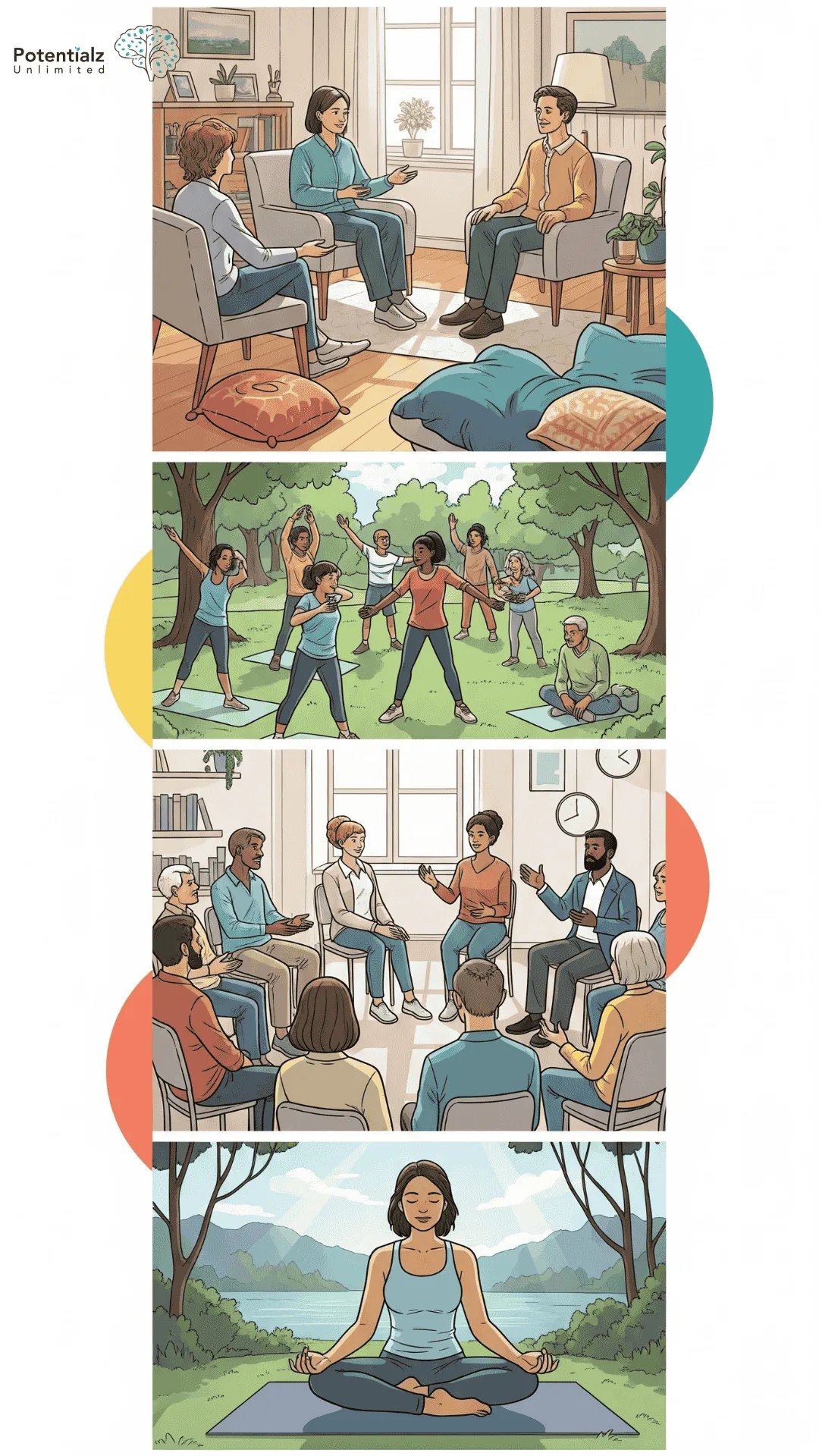 Embracing Recovery: A diverse group engages in empowering activities for mental health, from therapy and support groups to exercise and mindfulness, fostering hope and growth.
Accessing Comprehensive Mental Health Support
At Potentialz
Our approach integrates the latest research with compassionate, culturally sensitive care:
Evidence-Based Therapies
- CBT and other proven psychotherapy approaches
- Culturally adapted treatments for diverse communities
- Integration of holistic and lifestyle approaches
Comprehensive Assessment
- Understanding your unique situation and needs
- Identifying the most effective treatment combinations
- Regular monitoring and adjustment of treatment plans
Family and Community Focus
- Involving family members when appropriate
- Connecting with community resources
- Respecting cultural values and preferences
Getting Started
Step 1: Professional Assessment
A thorough evaluation can help determine the best treatment approaches for your specific situation.
Step 2: Collaborative Treatment Planning
Work with your mental health professional to develop a comprehensive plan that addresses your individual needs and preferences.
Step 3: Active Participation
Engage actively in your treatment, whether that includes therapy, lifestyle changes, or other interventions.
Step 4: Regular Review
Mental health treatment should be dynamic, with regular assessment of progress and adjustment of strategies as needed.
Conclusion: A More Complete Picture of Mental Health
The evolving understanding of serotonin, depression, and treatment effectiveness doesn’t diminish the reality of mental health challenges or the importance of seeking help. Instead, it provides a more complete and hopeful picture of recovery.
Key Takeaways:
- Depression is complex - not simply a chemical imbalance, but involving multiple biological, psychological, and social factors
- Multiple effective treatments exist - from evidence-based psychotherapies to lifestyle interventions to medications when appropriate
- One size doesn’t fit all - personalized approaches considering individual needs, preferences, and cultural backgrounds are most effective
- Recovery is possible - with proper support and treatment, people can and do recover from depression
- You have agency - there are many ways to actively participate in your mental health and recovery
For families in the Hills, Parramatta, Blacktown, and Hawkesbury areas, this expanded understanding of mental health opens doors to more options, greater hope, and more effective treatment approaches. Whether you’re dealing with depression yourself or supporting a loved one, remember that help is available, recovery is possible, and you don’t have to navigate this journey alone.
The conversation about serotonin and depression is far from over, but what’s clear is that mental health is multifaceted, treatment should be comprehensive, and hope should never be abandoned. By staying informed about the latest research while working with qualified professionals, individuals and families can make empowered decisions about their mental health care.
References
- Cipriani, A., Furukawa, T. A., Salanti, G., Chaimani, A., Atkinson, L. Z., Ogawa, Y., … & Geddes, J. R. (2018). Comparative efficacy and acceptability of 21 antidepressant drugs for the acute treatment of adults with major depressive disorder: A systematic review and network meta-analysis. The Lancet, 391(10128), 1357-1366. https://doi.org/10.1016/S0140-6736(17)32802-7
- Cuijpers, P., Miguel, C., Harrer, M., Plessen, C. Y., Cipriani, A., Cristea, I. A., … & Karyotaki, E. (2023). Cognitive behavior therapy vs. control conditions, other psychotherapies, pharmacotherapies and combined treatment for depression: A comprehensive meta‐analysis including 409 trials with 52,702 patients. World Psychiatry, 22(1), 105-115. https://doi.org/10.1002/wps.21069
- Hollon, S. D., Stewart, M. O., & Strunk, D. (2006). Enduring effects for cognitive behavior therapy in the treatment of depression and anxiety. Annual Review of Psychology, 57, 285-315. https://doi.org/10.1146/annurev.psych.57.102904.190044
- Moncrieff, J., Cooper, R. E., Stockmann, T., Amendola, S., Hengartner, M. P., & Horowitz, M. A. (2023). The serotonin theory of depression: A systematic umbrella review of the evidence. Molecular Psychiatry, 28(6), 3243-3256. https://doi.org/10.1038/s41380-022-01661-0
- Thompson, S. M. (2024). Beyond the serotonin deficit hypothesis: Communicating a neuroplasticity framework of major depressive disorder. Molecular Psychiatry, 29, 2534-2544. https://doi.org/10.1038/s41380-024-02625-2
- University College London. (2022, July 20). No evidence that depression is caused by low serotonin levels, finds comprehensive review. ScienceDaily. https://www.sciencedaily.com/releases/2022/07/220720080145.htm
- Weersing, V. R., Jeffreys, M., Do, M. T., Schwartz, K. T., & Bolano, C. (2017). Evidence base update of psychosocial treatments for child and adolescent depression. Journal of Clinical Child & Adolescent Psychology, 46(1), 11-43. https://doi.org/10.1080/15374416.2016.1220310
- Zhang, R., Tomasi, D., Shokri-Kojori, E., Wiers, C. E., Wang, G. J., & Volkow, N. D. (2024). Cognitive behavioral therapy enhances brain circuits to relieve depression. Nature Communications, 15, 7891. https://doi.org/10.1038/s41467-024-52342-4
- Zelek-Molik, A., & Litwa, E. (2025). Trends in research on novel antidepressant treatments. Frontiers in Pharmacology, 16, 1234567. https://doi.org/10.3389/fphar.2025.1234567
Need Professional Support?
If you're experiencing mental health concerns, our team is here to help.