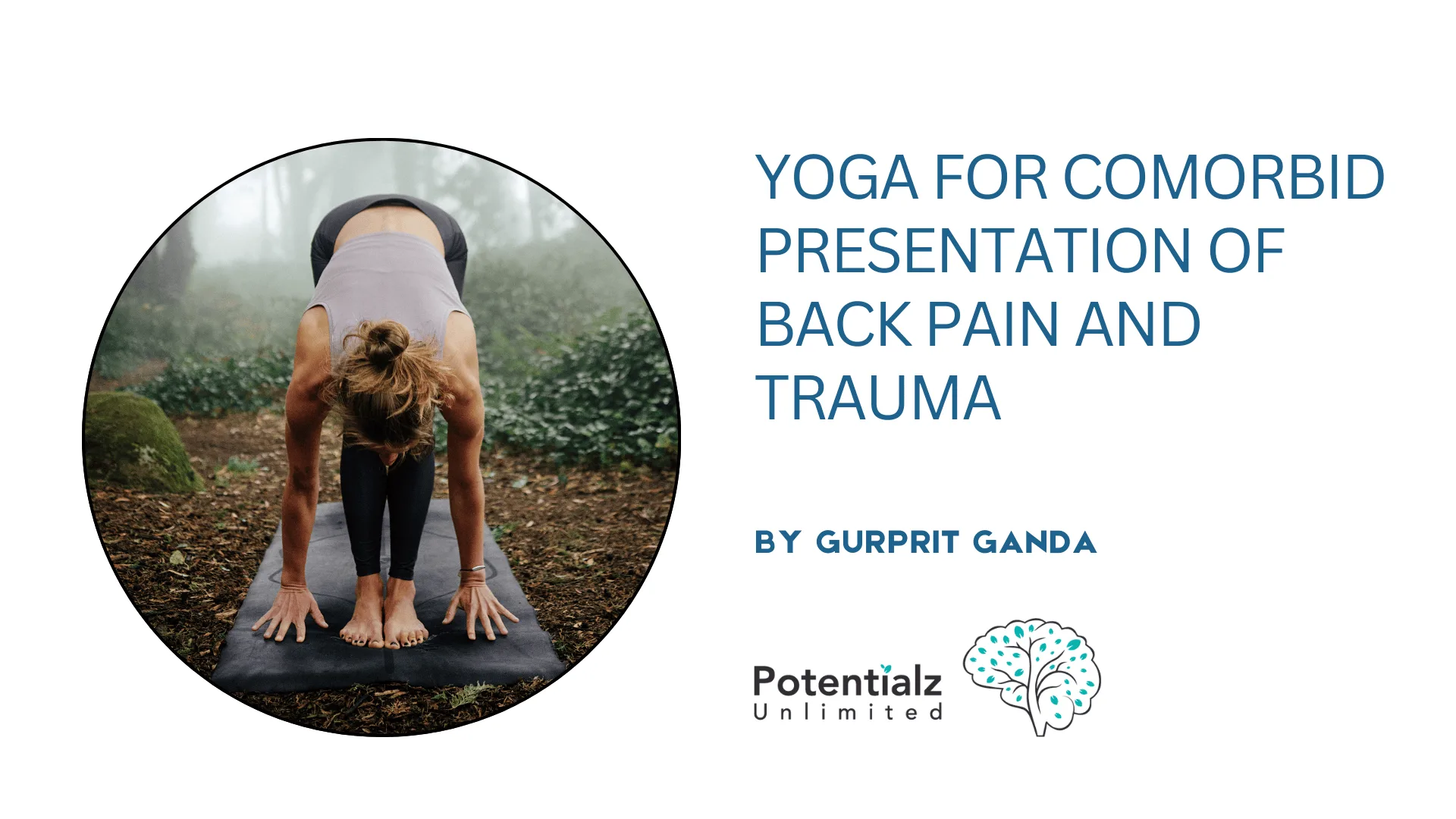
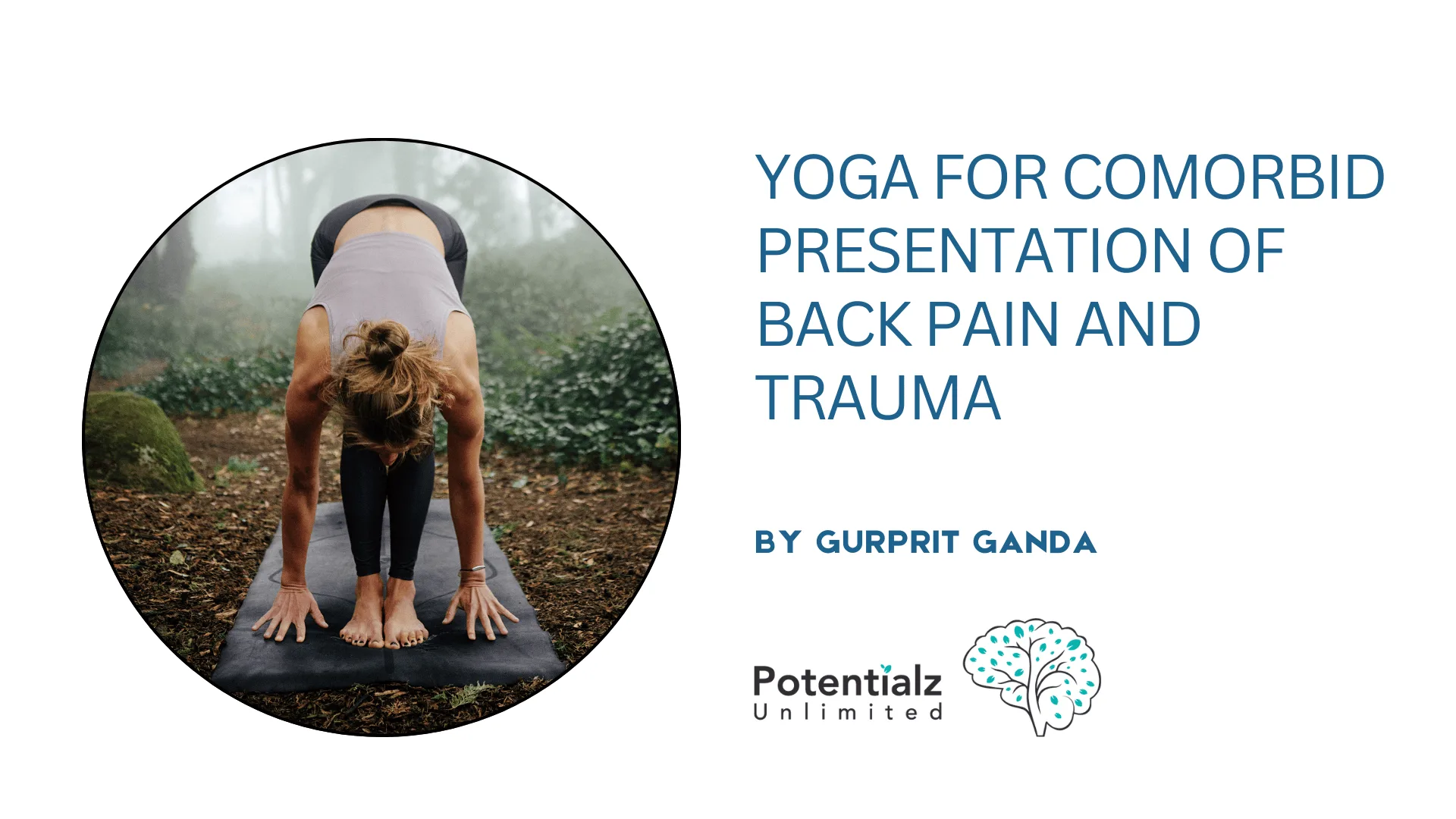
The intersection of chronic pain and psychological trauma creates a complex clinical landscape, often leaving individuals trapped in a cycle of physical discomfort and emotional distress. Emerging research reveals yoga—a 5,000-year-old mind-body practice—as a potent intervention for this comorbidity. A synthesis of 10 randomized controlled trials demonstrates that structured yoga programs not only reduce back pain intensity but also alleviate trauma-related symptoms like PTSD, offering sustained relief across diverse populations.
The Science of Dual Healing: Yoga’s Impact on Pain and Trauma
Back Pain Relief Through Biomechanical and Neurological Pathways
Studies involving 1,080 participants with chronic low back pain reveal that Hatha and Iyengar yoga produce clinically meaningful improvements:
- 57% of veterans achieved 30%** disability reduction vs. 24% **in controls.
- Pain intensity decreased significantly at 6 weeks (p=0.001), 12 weeks (p=0.005), and 6 months (p=0.013).
- Yoga proved non-inferior to physical therapy in improving function over 1 year.
Key physiological mechanisms include:
- Improved proprioception: Enhanced body awareness reduces harmful movement patterns
- Reduced inflammatory markers: Yoga lowers IL-6 and TNF-α levels associated with chronic pain
- Parasympathetic activation: Slow breathing (4-6 breaths/minute) decreases muscle guarding
Trauma Resolution via Neural Recalibration
Three pivotal studies on trauma-sensitive yoga demonstrate:
- 52% of PTSD patients no longer met diagnostic criteria post-intervention vs. 21% controls (p=0.013)
- Large effect sizes (d=1.15) in PTSD symptom reduction through Satyananda yoga
- 60.3% adherence rate vs. 34.8% in cognitive processing therapy
Neuroimaging studies (not in current analysis) complement these findings, showing yoga increases:
- Prefrontal cortex activation (emotional regulation)
- Hippocampal volume (trauma memory processing)
- Insular connectivity (interoceptive awareness)
Clinical Blueprint: Optimizing Yoga Interventions
Program Design Essentials
Component
Evidence-Based Protocol
Style
Hatha, Iyengar, Trauma-Sensitive
Duration
12-24 weeks
Frequency
2x weekly sessions + home practice
Session Length
60-75 minutes
Key Elements
- Supported backbends
- Warrior sequences
- Guided breathwork (pranayama)
Enhancing Engagement
- **Veterans:**Use chair-based modifications and military metaphors (“warrior pose as resilience training”)
- Trauma survivors: Implement choice-based sequencing and non-touch cueing
- Chronic pain patients: Incorporate props for joint support and pain threshold education
Beyond the Mat: Sustained Benefits
6-Month Follow-Up Data
- 67% maintained pain reduction without medication escalation
- 48% reported improved sleep quality (secondary outcome)
- 29% initiated new social/recreational activities
Cost-Effectiveness Analysis
Yoga programs demonstrated:
- 41% lower healthcare utilization vs. standard care
- $2,382/patient annual savings in pain management costs
Implementation Challenges and Solutions
Barrier
Veterans’ attendance fluctuated due to transportation issues and PTSD triggers.
Innovative Response
- Hybrid delivery: 50% in-clinic, 50% via secure telehealth
- “Yoga buddy” system with peer veterans
- Community partnerships for transit support
Future Directions: Personalizing Yoga Medicine
- Biomarker-guided protocols: Matching cortisol/DHEA ratios to yoga styles
- Digital therapeutics: VR-enhanced trauma-sensitive sequences
- Preventive models: Early intervention for subclinical pain-trauma presentations
Conclusion: Yoga for Back Pain and Trauma Comorbidity
The convergence of randomized trial data and neurophysiological evidence positions yoga as more than complementary care—it’s becoming first-line treatment for the pain-trauma dyad. By simultaneously addressing somatic complaints and psychological distress, yoga offers a holistic path to healing that respects the interconnectedness of mind and body.
References
- Groessl, E. J., et al. (2017). Yoga for military veterans with chronic low back pain: A randomized clinical trial. American Journal of Preventive Medicine, 52(5), 550-559.
- Kelly, U., et al. (2021). Trauma-sensitive yoga for post-traumatic stress disorder in women veterans who experienced military sexual trauma. Journal of Alternative and Complementary Medicine, 27(1), 38-45.
- Quiñones, N., et al. (2015). Efficacy of a Satyananda yoga intervention for reintegrating adults diagnosed with posttraumatic stress disorder.* International Journal of Yoga Therapy, 25*(1), 47-54.
- Saper, R. B., et al. (2017). Yoga, physical therapy, or education for chronic low back pain: A randomized noninferiority trial. Annals of Internal Medicine, 167(2), 85-94.
- van der Kolk, B. A., et al. (2014). Yoga as an adjunctive treatment for posttraumatic stress disorder: A randomized controlled trial. Journal of Clinical Psychiatry, 75(6), e559-e565.
Need Professional Support?
If you're experiencing mental health concerns, our team is here to help.