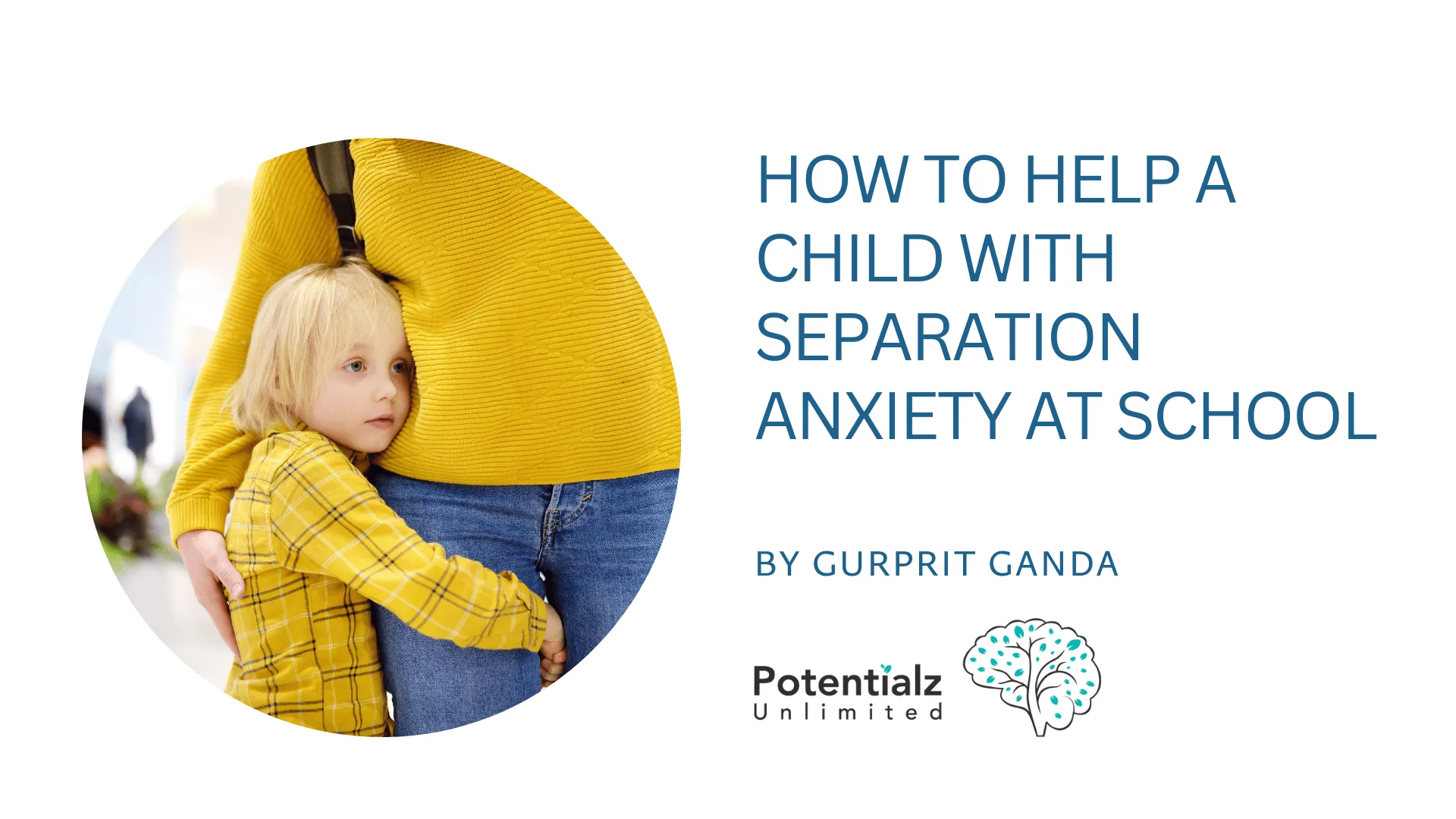
As parents, we’ve all experienced that heart-wrenching moment when our child clings to us on their first day of school or childcare, pleading, “Mum, don’t go!” Their tearful eyes and tight grip on our legs can be emotionally overwhelming for both parent and child. This scenario is a common manifestation of separation anxiety.
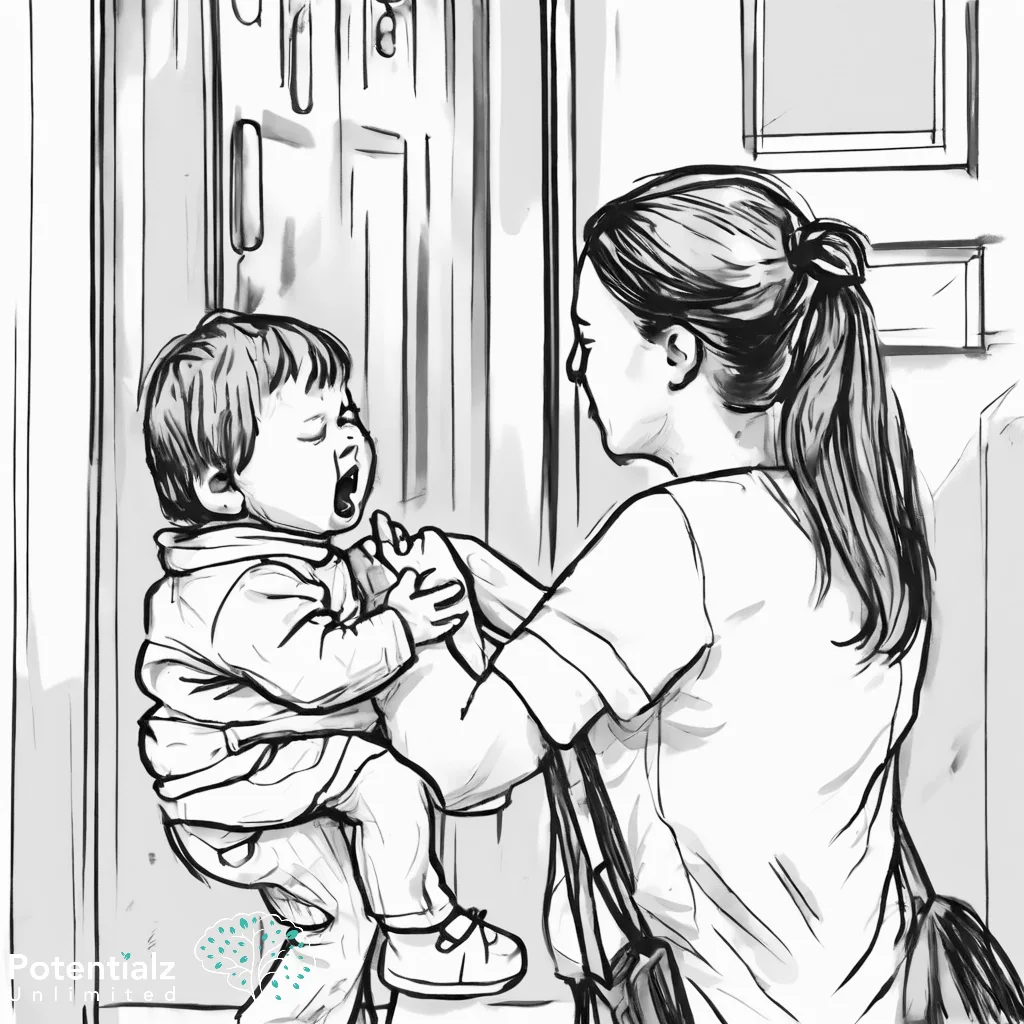
Understanding Separation Anxiety Disorder (SAD)
Separation Anxiety Disorder (SAD) is a specific type of anxiety disorder that primarily affects children, although it can also occur in adults. It’s characterized by excessive fear or anxiety concerning separation from home or attachment figures.
Circumstances That May Trigger SAD in Children
Children often develop anxiety when exposed to unfamiliar environments after spending most of their time in a safe, settled atmosphere. This unease can also affect parents, creating a cycle of anxiety. Significant life changes or traumatic experiences can also trigger separation anxiety.
Common Symptoms in Children of Separation Anxiety
- Excessive clinginess to parents or caregivers
- Intense crying or emotional outbursts
- Refusal to engage in activities requiring separation
- Physical symptoms like headaches or stomachaches
- Severe temper tantrums
- School refusal or poor academic performance
- Difficulty interacting with peers
- Resistance to sleeping alone
- Frequent nightmares
Strategies for Managing Separation Anxiety
Starting school or childcare is often a significant source of anxiety. Here are some evidence-based strategies to help minimize separation anxiety:
1. Implement a Gradual Transition
Introduce your child to new environments gradually. For childcare, stay with them for short periods initially, engaging in joint activities. As they become more comfortable, gradually reduce your presence over time. This approach helps children adjust to new surroundings at their own pace.
2. Avoid Sneaking Away
While it might seem easier to leave when your child is distracted, this approach can increase anxiety in the long run. It may lead children to become hypervigilant, fearing you might disappear at any moment.
3. Establish a Goodbye Ritual
Create a consistent farewell routine, such as a special hug, kiss, or handshake. Regular use of these gestures helps your child’s brain recognize them as a signal that you’re leaving but will return, potentially reducing anxiety.
4. Minimize Stress Before School Begins
Plan to return from holidays well before school starts, allowing your child time to settle at home. Create a calm environment to help your child adjust before the first day of school or childcare approaches.
5. Be Mindful of Your Emotional Signals
Children as young as 4-5 months can recognize facial cues and emotional signals from their parents. Your anxiety or sadness can be contagious, even if unspoken. Try to maintain a positive demeanor during separations, even if you’re feeling anxious yourself.
6. Encourage Independence
Gradually increase your child’s independence at home. This could involve letting them play in another room or staying with a trusted caregiver for short periods.
7. Maintain Consistent Routines
Predictable daily routines can provide a sense of security for children with separation anxiety. Stick to regular meal times, bedtimes, and other daily activities as much as possible.
Conclusion
Separation Anxiety Disorder is common among young children, particularly between the ages of 8 months to 5-6 years. While the strategies above can help manage separation anxiety, it’s important to remember that every child is unique. If your child’s anxiety persists or significantly impacts their daily life, consider seeking professional help. A child psychologist can provide tailored strategies and support for both you and your child.
Remember, with patience, understanding, and the right approach, most children can overcome separation anxiety and develop the confidence to explore the world independently.
Need Professional Support?
If you're experiencing mental health concerns, our team is here to help.