Bottom line up front: Grief and loss counseling offers evidence-based support that helps you process difficult emotions, develop healthy coping strategies, and find meaning after significant losses. Research shows specialized grief therapy can be 2-3 times more effective than general therapy, with 67% of people experiencing significant improvement in their ability to function and find hope again.
 A serene and comfortable therapy room for grief counselling
Understanding Grief: A Natural Yet Complex Journey
Grief is one of life’s most universal yet deeply personal experiences. Whether you’re facing the death of a loved one, divorce, job loss, or any significant life change, grief touches everyone differently. While sadness after loss is completely normal, some people find themselves stuck in intense pain that doesn’t seem to improve over time.
In Australia alone, about 1 to 1.5 million persons are newly bereaved each year, and while most people naturally adapt to loss, complicated grief affects between 2% to 3% of the population worldwide and 7% to 10% of bereaved people. This means millions of people could benefit from professional grief support.
Think of grief like a deep wound. Just as some physical injuries heal naturally while others need medical attention, emotional wounds from loss sometimes require professional care to heal properly.
 A grieving person
When Normal Grief Becomes Complicated
Most people experience what we call “normal grief” – intense sadness, anger, confusion, and other difficult emotions that gradually soften over time. However, some individuals develop what mental health professionals call “complicated grief” or “prolonged grief disorder.”
Signs You Might Benefit from Grief Counseling
- Intense grief lasting longer than expected (typically 6-12 months without improvement)
- Avoiding reminders of your loss or the person who died
- Feeling stuck in anger, guilt, or blame about the death or loss
- Inability to accept the reality of the loss
- Loss of meaning or purpose in life
- Extreme difficulty trusting others or forming new relationships
- Persistent longing that interferes with daily activities

Prolonged grief disorder is characterized by intense and persistent grief that causes problems and interferes with daily life. The good news? Professional help is available and highly effective.
The Science Behind Grief and Loss Counseling
Evidence-Based Approaches That Work
Recent research has identified several highly effective therapeutic approaches for grief and loss:
Complicated Grief Therapy (CGT) is considered the gold standard treatment. CGT has been demonstrated to be effective in a trial where individuals receiving CGT responded more quickly and were more likely to respond overall (51% vs 28%) compared to other treatments.
Cognitive Behavioral Therapy for Grief focuses on helping you understand the connection between thoughts, feelings, and behaviors related to your loss. CBTgrief is found to be a feasible and acceptable therapy for bereaved individuals and shows promising results in research trials.
EMDR for Grief uses bilateral stimulation to help process traumatic grief memories. EMDR is a fitting treatment option for those with Prolonged Grief, focusing on processing past memories, blocks, current triggers, future fears.
How Grief Therapy Differs from General Counseling
Grief counseling uses specialized techniques designed specifically for loss-related challenges:
- Narrative therapy helps you tell your story and find new meaning
- Exposure techniques gradually help you face avoided situations or memories
- Behavioral activation encourages engagement in meaningful activities
- Attachment-focused work addresses how loss affects your ability to connect with others
 A session with a grief counsellor in progress
Types of Loss That Benefit from Professional Support
Death of a Loved One
The most recognized form of grief, whether sudden or anticipated. Professional support helps you:
- Process the reality of death
- Work through guilt or regret
- Learn to maintain connection while letting go
- Navigate special occasions and anniversaries
Relationship Losses
Divorce, breakups, or estrangement from family members create unique grief patterns:
- Processing feelings of rejection or abandonment
- Dealing with ongoing contact (especially with children involved)
- Rebuilding identity as a single person
- Managing shared social circles
Job Loss and Career Changes
Professional identity loss can trigger significant grief:
- Coping with financial stress and uncertainty
- Processing feelings of failure or inadequacy
- Exploring new career directions
- Maintaining self-worth during job searches
Health-Related Losses
Chronic illness, disability, or loss of physical abilities bring their own grief challenges:
- Accepting changed physical capabilities
- Adjusting life goals and expectations
- Managing ongoing medical treatment
- Finding new sources of meaning and purpose
 Grief causing situations such as loss of family, relationship breakups, death of someone, job termination
What to Expect in Grief and Loss Counseling
Initial Assessment and Goal Setting
Your therapist will help you understand your specific grief pattern and establish realistic goals. This might include:
- Exploring your relationship with the person or situation you’ve lost
- Identifying stuck points in your grief process
- Understanding how loss has affected your daily functioning
- Setting therapy goals that matter to you
Core Treatment Phases
Phase 1: Safety and Stabilization
- Learning emotional regulation skills
- Developing healthy coping strategies
- Building support systems
- Addressing immediate safety concerns
Phase 2: Processing and Integration
- Gradually facing avoided memories or situations
- Working through difficult emotions like guilt, anger, or regret
- Telling your story in a safe, supportive environment
- Challenging unhelpful beliefs about the loss
Phase 3: Restoration and Moving Forward
- Reconnecting with meaningful activities and relationships
- Finding new sources of purpose and joy
- Planning for challenging times (anniversaries, holidays)
- Developing a continuing bond with what you’ve lost
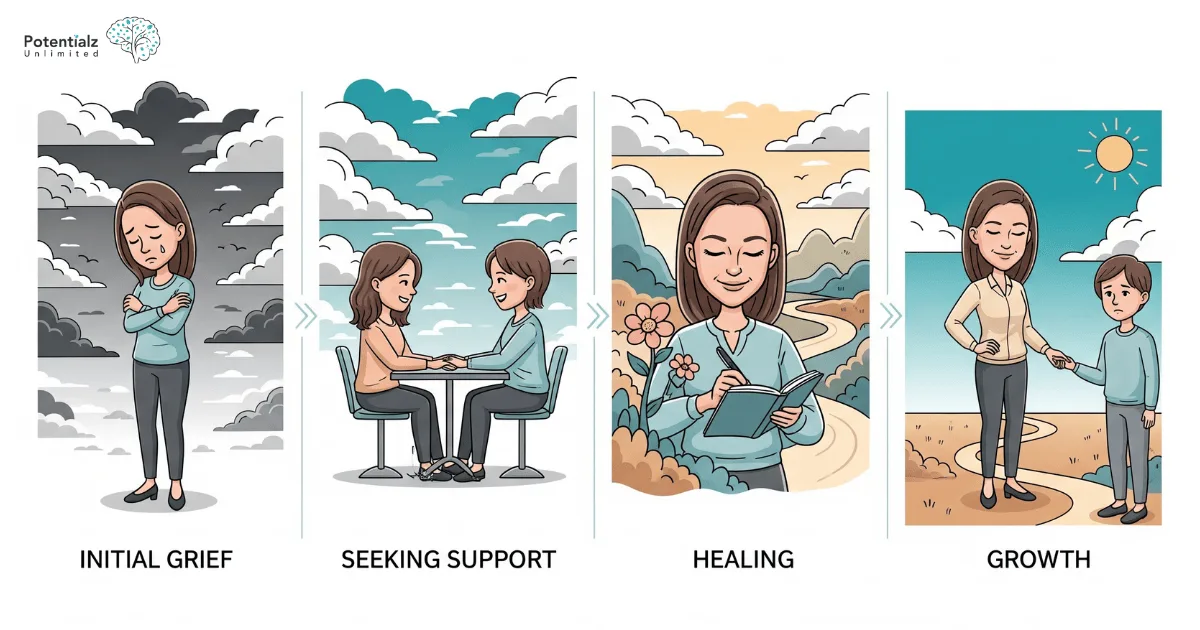 A journey from grief to growth
Specialized Grief Counseling Techniques
Narrative Therapy for Grief
This approach helps you re-author your life story after loss:
- Separating your identity from the grief experience
- Identifying unique outcomes and strengths
- Exploring preferred stories about your relationship with the deceased
- Developing new life narratives that include both loss and hope
Continuing Bonds Work
Modern grief therapy recognizes that healthy grieving doesn’t mean “letting go” completely:
- Finding appropriate ways to maintain connection
- Creating meaningful rituals or memorials
- Writing letters or journaling to your loved one
- Carrying forward their values and lessons
Group Grief Counseling
Bereavement support groups can also provide a useful source of social connection and support. They can help people feel less alone and offer unique benefits:
- Connecting with others who understand your experience
- Learning from different coping strategies
- Reducing isolation and shame
- Providing mutual support and encouragement
 A support group circle with diverse individuals sharing and supporting each other
Cultural Considerations in Grief Counseling
The norms of a person’s culture influence grief expression, mourning rituals, and perspectives on death. Effective grief counseling respects and incorporates your cultural background:
Different Cultural Expressions of Grief
- Collectivist cultures may emphasize family and community support
- Religious traditions often provide specific rituals and beliefs about death
- Gender roles may influence how grief is expressed and supported
- Generational differences affect attitudes toward seeking professional help
Culturally Responsive Treatment
Quality grief counseling adapts to your specific needs:
- Understanding your cultural beliefs about death and afterlife
- Incorporating traditional healing practices when appropriate
- Respecting family dynamics and decision-making processes
- Addressing language barriers and communication styles
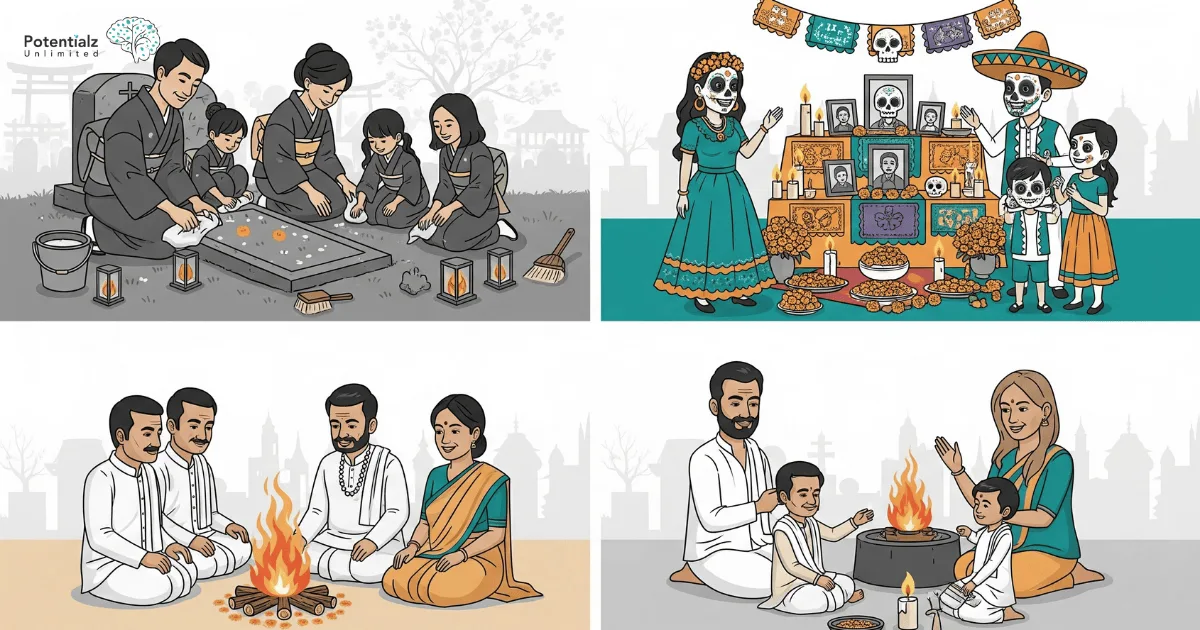 A diverse group of people in traditional dress participating in different cultural mourning rituals
Grief Counseling for Different Age Groups
Children and Adolescent Grief Counseling
Young people process loss differently than adults and need age-appropriate support:
- Using play therapy and creative expression
- Helping them understand death and loss concepts
- Supporting them through developmental changes
- Working with families to create supportive environments
Research also suggests that CBT can be effective with children and adolescents experiencing symptoms of prolonged grief.
Adult Grief Counseling
Adult-focused approaches address:
- Complex relationship dynamics
- Financial and practical concerns
- Parenting responsibilities while grieving
- Career and life planning adjustments
Older Adult Grief Support
Seniors face unique grief challenges:
- Multiple losses within short timeframes
- Health concerns that complicate grieving
- Social isolation and reduced support systems
- Reflection on their own mortality
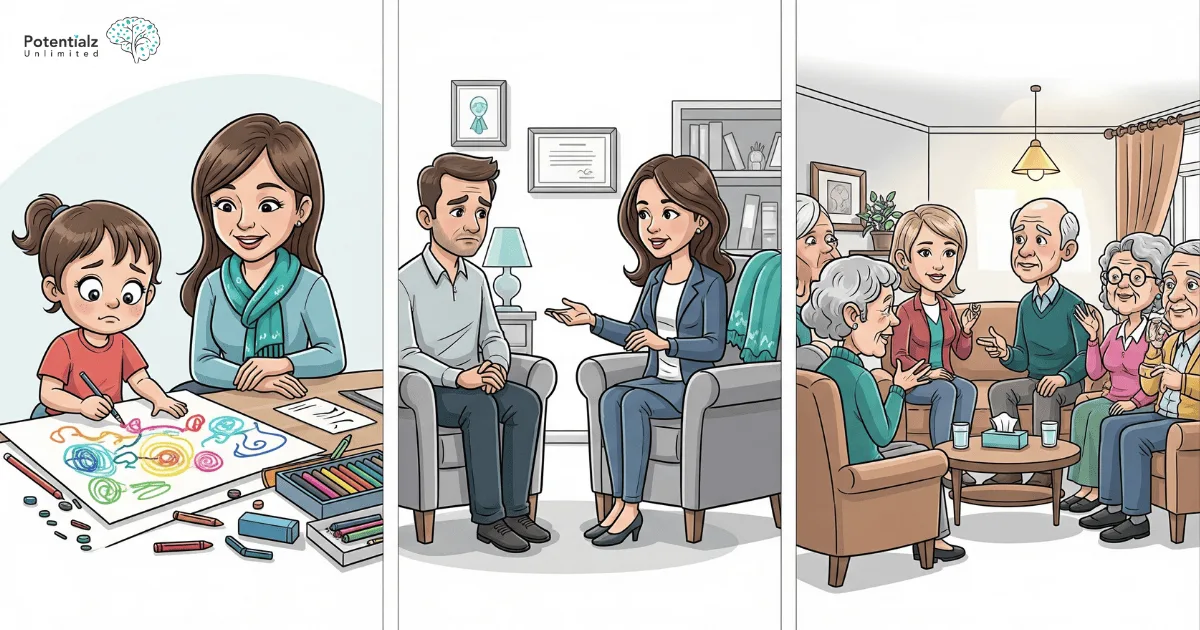 Differences in delivering grief counseling across age groups
The Role of Family in Grief Counseling
Family Systems Approach
Grief affects entire family systems, not just individuals:
- Understanding how family members grieve differently
- Improving communication about loss and pain
- Addressing conflicts that arise during grief
- Strengthening family bonds through shared healing
Supporting Family Members
Professional grief counseling can help families:
- Learn about different grief styles and timelines
- Develop patience and understanding for each other
- Create new family traditions that honor their loss
- Navigate special occasions and anniversaries together
 A family sitting together with a grief counsellor
Overcoming Common Barriers to Seeking Grief Counseling
”I Should Be Able to Handle This Alone”
Many people resist seeking help because they believe grief is something they should manage independently. However:
- Seeking support shows strength, not weakness
- Professional guidance can prevent complicated grief from developing
- You deserve care during one of life’s most difficult experiences
- Getting help can actually speed up your natural healing process
”It’s Been Too Long” or “It Hasn’t Been Long Enough”
There’s no “right” timeline for seeking grief support:
- Some people benefit from immediate support after loss
- Others find help years later when they realize they’re still stuck
- Treatment interventions can effectively diminish complicated grief symptoms regardless of when you start
”Talking Won’t Bring Them Back”
While grief counseling can’t change your loss, it can:
- Help you find meaning and purpose despite the loss
- Reduce the intensity of painful emotions
- Improve your daily functioning and relationships
- Honor your loved one through healthy healing
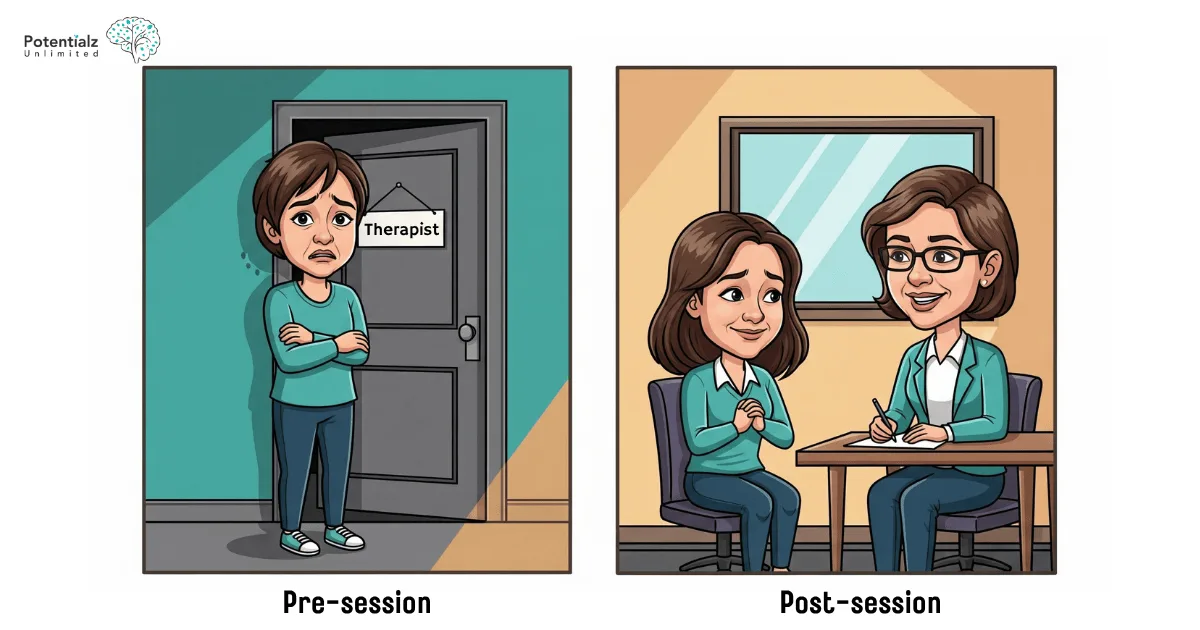 A lady initially hesitant at a therapist’s door, then later showing relief and hope after beginning therapy
Building Resilience Through Grief Counseling
Developing Emotional Resilience
Grief counseling teaches skills that serve you beyond your current loss:
- Emotional regulation techniques for managing intense feelings
- Stress management strategies for difficult times
- Communication skills for expressing needs and boundaries
- Problem-solving abilities for life challenges
Post-Traumatic Growth
Many people discover that working through grief leads to unexpected growth:
- Deeper appreciation for life and relationships
- Increased empathy and compassion for others
- Stronger spiritual or philosophical beliefs
- Greater personal strength and confidence
Creating Meaning from Loss
Professional support helps you find purpose in your pain:
- Volunteering or advocacy related to your loss
- Supporting others facing similar challenges
- Pursuing new goals inspired by your loved one
- Living according to values clarified through loss
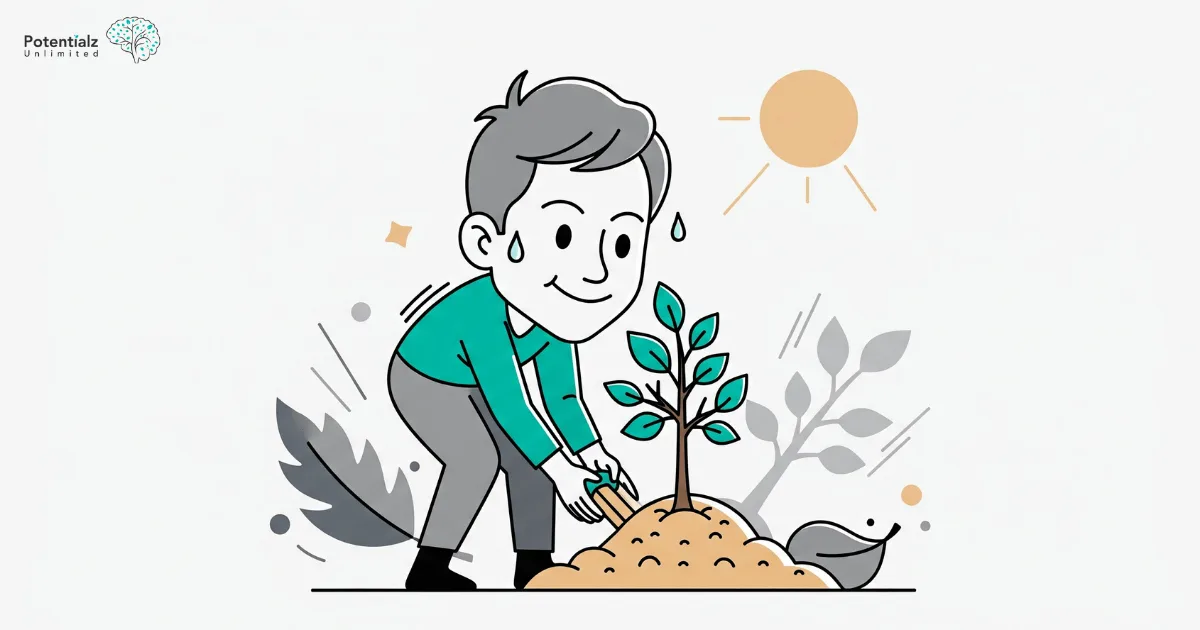 A symbolic representation of growth and new life emerging from loss
Practical Steps to Begin Grief Counseling
Finding the Right Grief Counselor
Look for professionals with:
- Specialized training in grief and loss therapy
- Experience with your type of loss
- Cultural competence relevant to your background
- Approaches that feel comfortable to you
What to Ask Potential Counselors
- “What is your experience with grief and loss counseling?”
- “What therapeutic approaches do you use for grief?”
- “How do you measure progress in grief therapy?”
- “What is your philosophy about the grief process?”
Preparing for Your First Session
- Write down your main concerns and goals
- Gather any relevant information about your loss
- Prepare to discuss your support system
- Come with an open mind and be patient with the process
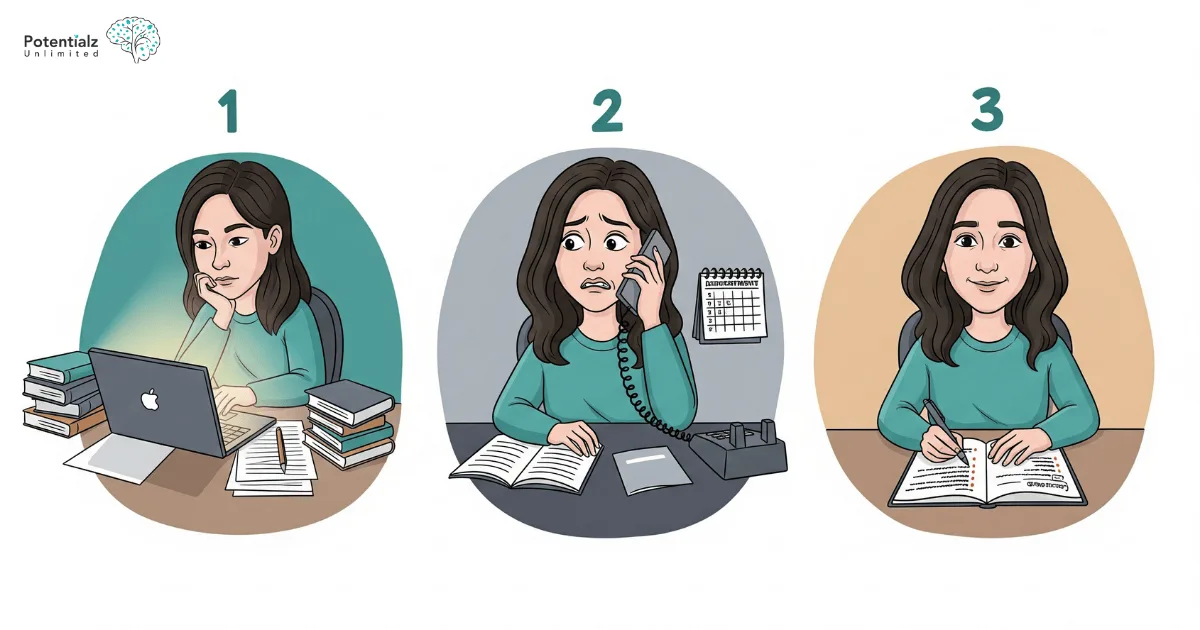 A person researching therapists online, making phone calls, and preparing notes for their first appointment
Self-Care During Grief Counseling
Supporting Your Therapy Work
- Attend sessions regularly and arrive prepared
- Practice techniques between sessions
- Keep a grief journal to track thoughts and feelings
- Be honest about what’s working and what isn’t
Maintaining Physical Health
Grief affects your whole person, so take care of:
- Sleep: Maintain regular sleep schedules despite emotional turmoil
- Nutrition: Eat regularly even when appetite is poor
- Exercise: Gentle movement helps process emotions and stress
- Medical care: Don’t neglect regular health checkups
Building Your Support Network
- Stay connected with understanding friends and family
- Consider joining grief support groups
- Engage with spiritual or religious communities
- Limit time with people who don’t support your healing
 A balanced self-care routine that represented by getting enough sleep, eating healthy, practicing meditation and yoga, nurturing friendships, and enjoying outdoor activities.
Success Stories: Real Examples of Healing
Sarah’s Journey Through Spousal Loss
Sarah lost her husband of 30 years to cancer. Initially, she couldn’t imagine life without him and avoided their shared spaces and activities. Through CGT, she learned to:
- Process her guilt about moments of relief during his illness
- Gradually re-engage with places and people they’d shared
- Develop new routines that honored their relationship while building independence
- Find meaning through volunteering with other cancer families
Marcus’s Path After Divorce
Marcus struggled with intense anger and feelings of failure after his divorce. Grief counseling helped him:
- Understand divorce as a legitimate form of loss requiring mourning
- Work through anger in healthy ways that didn’t hurt his co-parenting relationship
- Rebuild his identity as a single person and father
- Create new traditions and goals for his future
The Chen Family’s Healing After Teen Loss
When the Chen family lost their 16-year-old son in an accident, each family member grieved differently, creating conflict and isolation. Family grief counseling helped them:
- Understand and respect each other’s grief styles
- Communicate about their pain without blame
- Create meaningful rituals to honor their son’s memory
- Support each other through difficult anniversaries and milestones
 A transition from isolation & pain to connection & hope facilitated by grief counselling
Technology and Modern Grief Support
Online Grief Counseling Options
Internet- and mobile-based interventions against symptoms of grief after bereavement have shown effectiveness for many people:
- Convenient access from home
- Flexibility for varying energy levels
- Options for those in remote locations
- Combination with in-person sessions when needed
Digital Support Tools
- Grief tracking apps for monitoring moods and progress
- Online memorial platforms for maintaining connections
- Virtual support group participation
- Meditation and mindfulness apps for emotional regulation
 Telehealth based Grief Counselling Session
The Long-Term Journey: Life After Grief Counseling
Continuing Your Healing Journey
Grief counseling provides tools for lifelong resilience:
- Recognizing when you might need additional support
- Using learned skills during future losses
- Helping others who face similar challenges
- Maintaining healthy relationships and self-care practices
Honoring Your Growth
As you heal, it’s important to:
- Acknowledge how far you’ve come
- Celebrate small victories and progress
- Share your story to help others when appropriate
- Continue pursuing meaningful activities and relationships
When Grief Resurfaces
Grief can return during:
- Anniversaries and special dates
- Major life transitions
- Additional losses
- Stressful life periods
This is normal and doesn’t mean you’ve failed. The skills you’ve learned will help you navigate these challenging times.
 A person looking back on a path they’ve traveled as they overcome their grief and progress to growth
Test Your Knowledge
Conclusion: Hope for Healing
Grief and loss are among life’s most challenging experiences, but you don’t have to face them alone. Professional grief counseling offers evidence-based support that can help you process difficult emotions, develop healthy coping strategies, and find meaning after significant losses.
CGT has been demonstrated to be effective and treatment interventions can effectively diminish complicated grief symptoms. The research is clear: specialized grief therapy works, and it can help you move from surviving your loss to eventually thriving again.
Remember that seeking help is not a sign of weakness – it’s a courageous step toward healing. Your grief is unique, your timeline is your own, and your loved one’s memory can be honored through your healing journey.
Whether you’re facing recent loss or struggling with grief that feels stuck, professional support is available. Take that first step toward healing. You deserve to experience hope, joy, and meaning again, even after significant loss.
Your journey through grief doesn’t have to end in perpetual sadness. With the right support, skills, and time, you can create a life that honors both your loss and your capacity for continued growth and love.
 A sunrise over a peaceful landscape, representing new beginnings and the possibility of healing after loss
Related Links:
Need Professional Support?
If you're experiencing mental health concerns, our team is here to help.