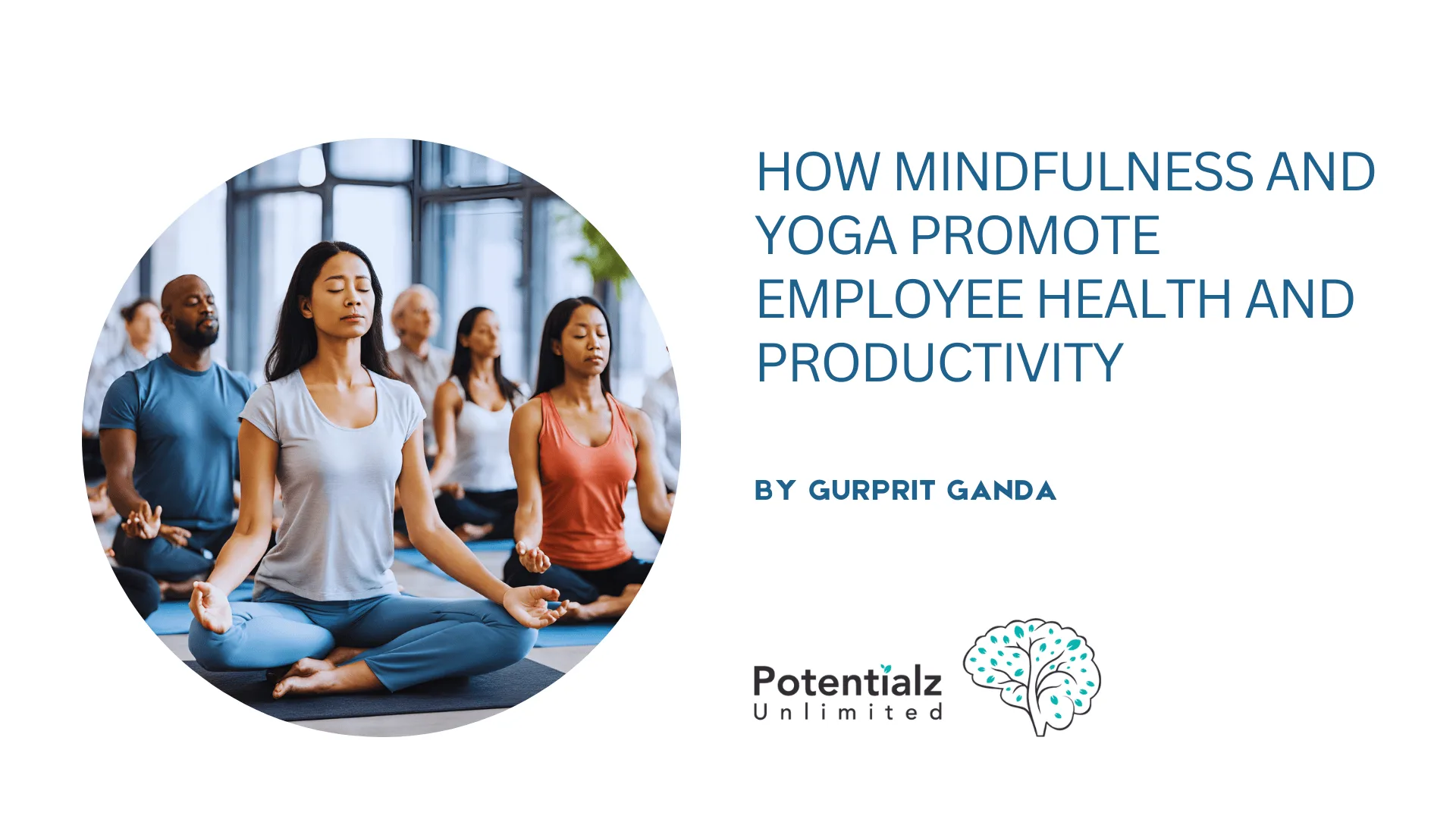
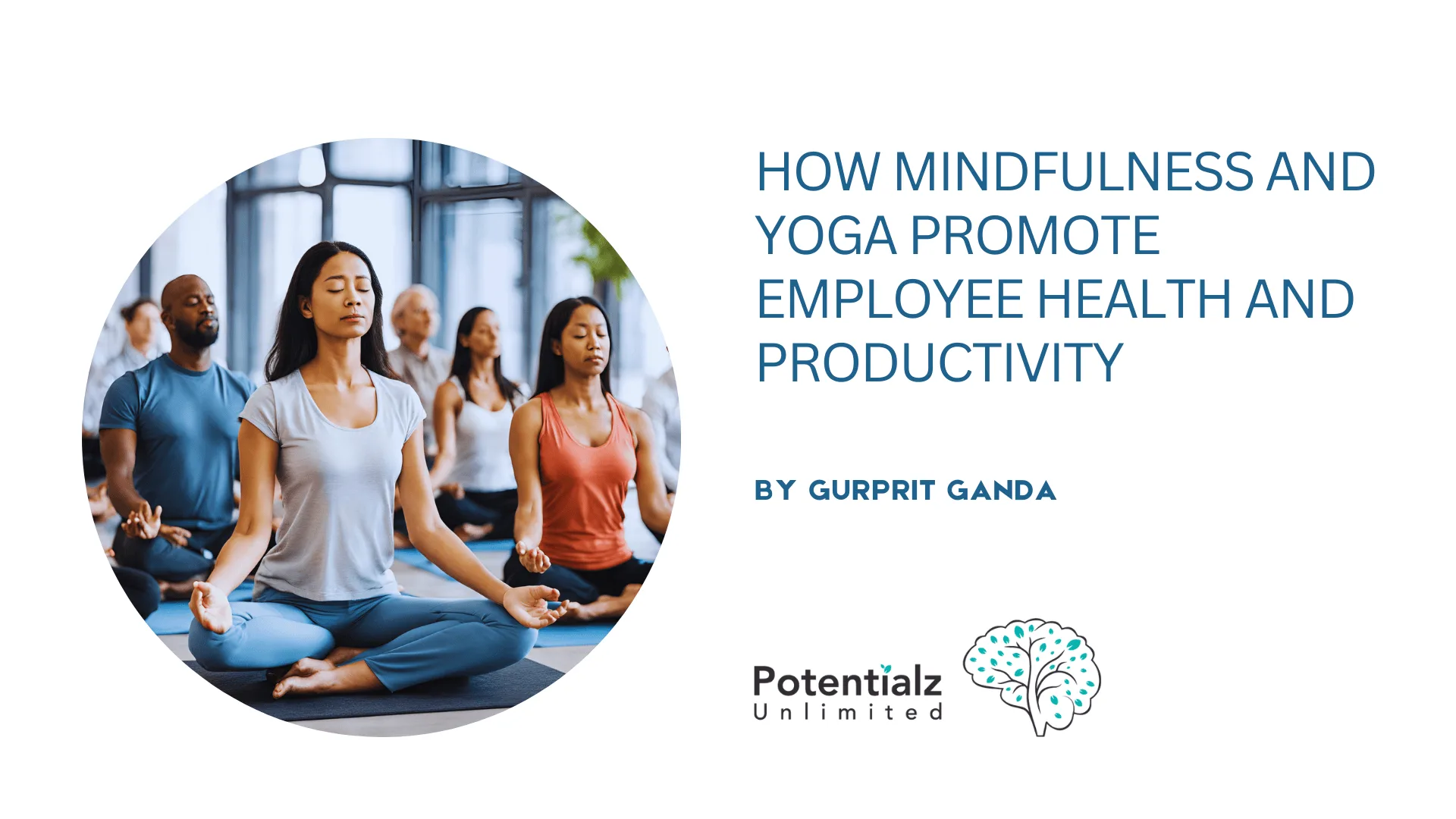
In today’s fast-paced corporate world, chronic stress and burnout have become pervasive challenges, costing businesses billions in lost productivity and healthcare expenses. Mindfulness and yoga-based stress management workshops are emerging as powerful, evidence-backed solutions to foster employee resilience, enhance focus, and cultivate a healthier workplace culture. By integrating these practices, companies are not only addressing physical and mental health but also unlocking higher performance and job satisfaction.
The Science Behind Mindfulness and Yoga in the Workplace
Decades of research underscore the transformative effects of mindfulness and yoga on workplace well-being. Studies reveal that employees practicing yoga experience 28% reductions in stress levels and 31% improvements in vitality while mindfulness programs significantly lower cortisol, the body’s primary stress hormone. These practices work synergistically:
- Yoga combines physical postures, breath control, and meditation to alleviate musculoskeletal strain, improve posture, and calm the nervous system.
- Mindfulness trains individuals to anchor their awareness in the present moment, reducing anxiety and emotional reactivity.
A meta-analysis of workplace interventions found yoga programs reduced perceived stress by 67% compared to control groups, with effects lasting months after the program ended.
Key Benefits for Employees and Organizations
1. Physical Health Enhancements
- Reduced Chronic Pain: Yoga alleviates back pain and repetitive strain injuries common in desk-bound roles, with studies showing efficacy comparable to physical therapy.
- Improved Immunity: Mindfulness practices lower inflammation markers, reducing sick days and healthcare costs.
2. Mental and Emotional Resilience
- Stress Reduction: Yoga’s focus on breathwork (pranayama) activates the parasympathetic nervous system, counteracting the “fight-or-flight” response.
- Emotional Intelligence: Mindfulness sharpens self-awareness, improving conflict resolution and teamwork.
3. Productivity and Engagement
- Employees report 20% sharper focus after brief yoga sessions, leading to fewer errors and faster decision-making.
- Mindfulness training boosts creativity and problem-solving by fostering a “beginner’s mind” approach.
Implementing Effective Workshops: Strategies for Success
Strategy
Example
Outcome
On-site yoga classes
Lunchtime Vinyasa or Hatha sessions
Reduces stiffness, boosts afternoon focus
Virtual mindfulness modules
Guided meditations for remote teams
Increases accessibility and inclusivity
Desk-friendly practices
5-minute seated stretches or breathwork drills
Lowers stress without disrupting workflow
Leadership participation
Executives modeling mindfulness in meetings
Strengthens cultural buy-in and trust
Case Study
A UK insurance firm facing post-merger stress implemented an 8-week mindfulness program. Participants reported greater patience, reduced overwhelm, and improved colleague relationships.
Overcoming Common Challenges
- Time Constraints: Offer 10-minute “micro-sessions” during transitions (e.g., pre-meeting or post-lunch).
Provide recorded sessions for flexible access. 2. Skepticism: Share peer testimonials and ROI data: For every $1 invested in wellness programs, companies see $3–$6 returns via reduced absenteeism. 3. Space Limitations: Convert underutilized areas (e.g., conference rooms) into mindfulness zones with mats and calming visuals.
The Future of Workplace Wellness: Incorporate Mindfulness and Yoga In Workplace To Promote Employee Health and Productivity
Organizations like Google and Nike now view yoga and mindfulness as core leadership development tools, linking them to improved innovation and employee retention. As hybrid work evolves, virtual reality meditation pods and AI-driven wellness apps are set to personalize stress management further.
Key Takeaways
- Yoga and mindfulness reduce stress by 67% while enhancing physical and mental health.
- Effective programs blend on-site, virtual, and bite-sized practices to meet diverse needs.
- Leadership involvement and data-driven metrics are critical for sustained impact.
Knowing that mindfulness and yoga promote employee health and productivity, corporates are prioritizing mindfulness and yoga, and cultivating workplaces where employees thrive—physically, emotionally, and professionally. The question isn’t whether organizations can afford to invest in these workshops, but whether they can afford not to.
Need Professional Support?
If you're experiencing mental health concerns, our team is here to help.