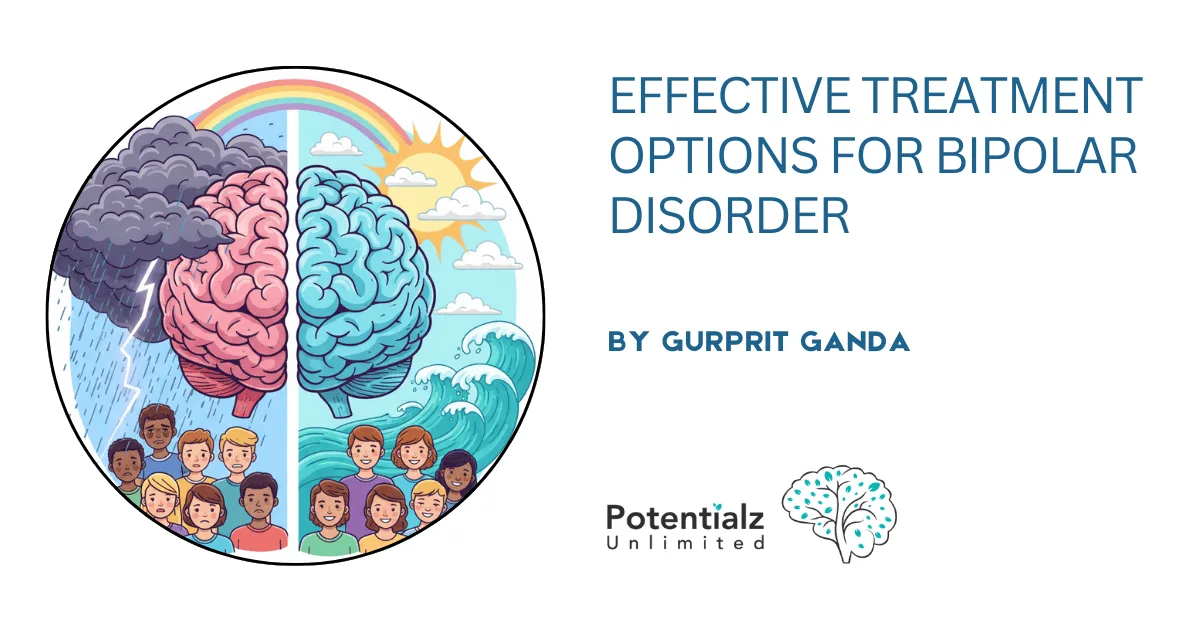
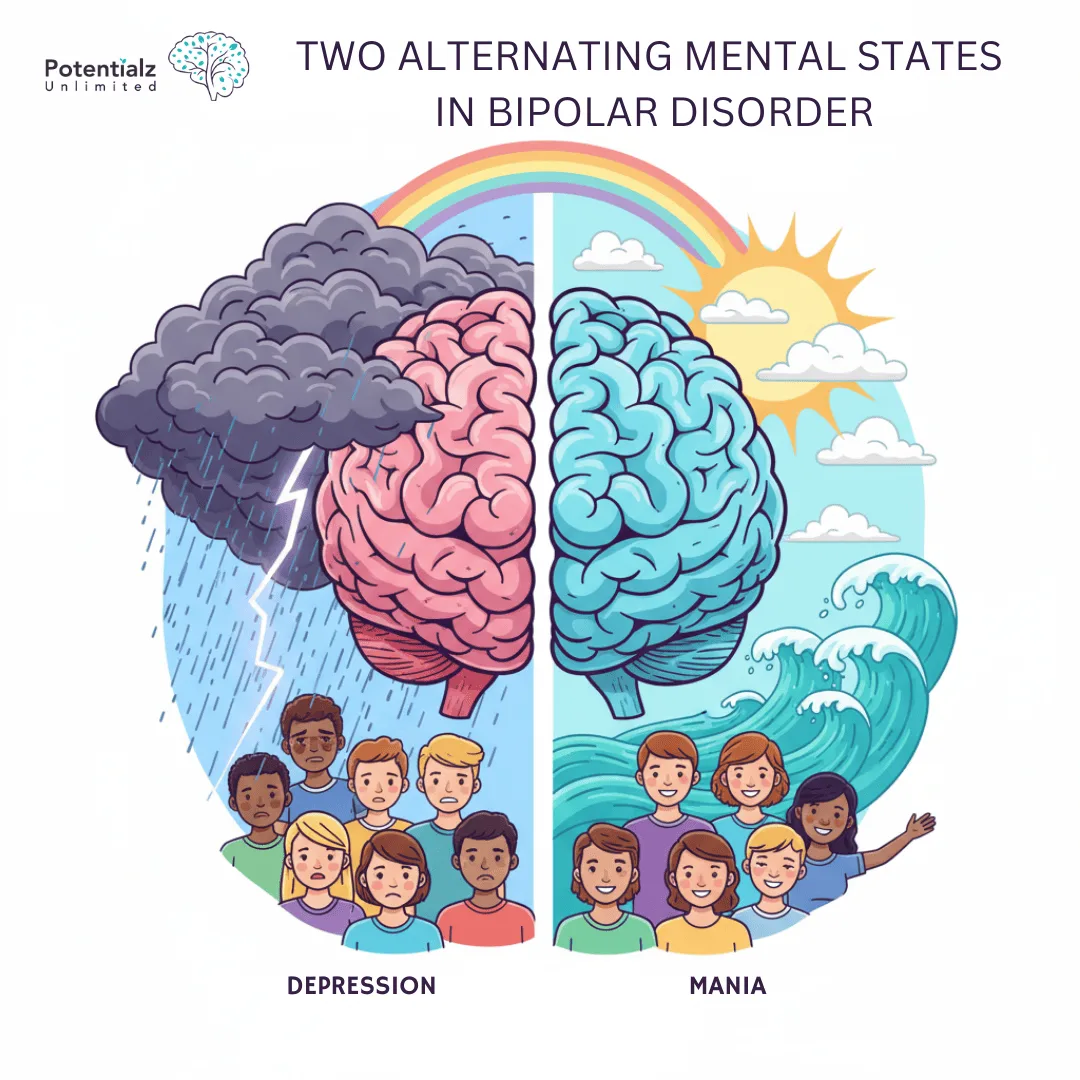
 Illustration of bipolar disorder: a brain split into a stormy side for depression and a sunny side for mania, with people displaying different emotions below each section.
Have you ever felt like you’re on an emotional rollercoaster that you can’t get off? For people living with bipolar disorder, this feeling is very real. One day you might feel incredibly happy and full of energy, and the next, you could feel hopeless and exhausted. Understanding bipolar disorder and its effective treatment options is crucial for anyone affected by this condition.
What is Bipolar Disorder?
Bipolar disorders are chronic psychiatric conditions characterized by recurrent episodes of mania and depression. Affecting over 1% of the global population, these disorders contribute significantly to disability and mortality, often due to suicide and cardiovascular disease. Think of it like having a switch in your brain that gets stuck in different positions - sometimes “up” (mania), sometimes “down” (depression), and sometimes in the middle (stable).
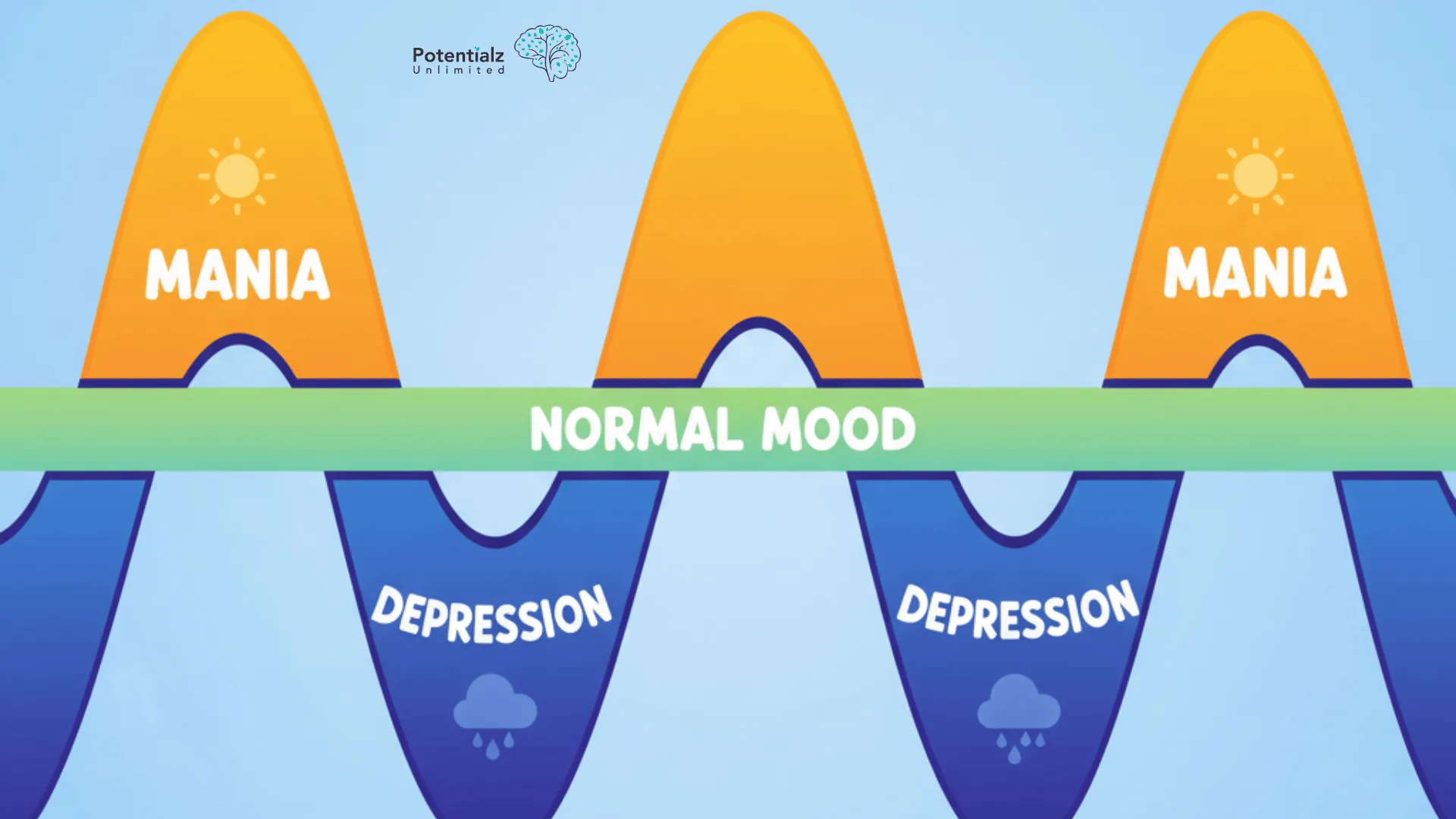 This illustration visually represents the emotional peaks of mania and troughs of depression, characteristic of bipolar disorder, with a central band indicating the balance of a normal mood.
Understanding the Two Faces of Bipolar Disorder
Manic Episodes: The “High” Phase
During manic episodes, people might experience:
- Feeling extremely happy or “high”
- Having lots of energy and needing very little sleep
- Talking very fast and jumping between ideas quickly
- Making risky decisions without thinking about consequences
- Feeling like they can do anything
Depressive Episodes: The “Low” Phase
During depressive episodes, people might experience:
- Feeling very sad, empty, or hopeless
- Having no energy or motivation
- Sleeping too much or having trouble sleeping
- Losing interest in activities they usually enjoy
- Having difficulty concentrating
The Latest and Most Effective Treatment Options
Medication: The Foundation of Treatment
Lithium: The Gold Standard Lithium has been reported to reduce the risk of life-threatening suicide attempts and death by 60–80%. Several systematic reviews and meta-analyses have concluded that maintenance lithium treatment significantly reduces the rates of suicide and suicide attempts in patients diagnosed with bipolar disorder. Despite being discovered over 70 years ago, lithium remains the most effective treatment for bipolar disorder.
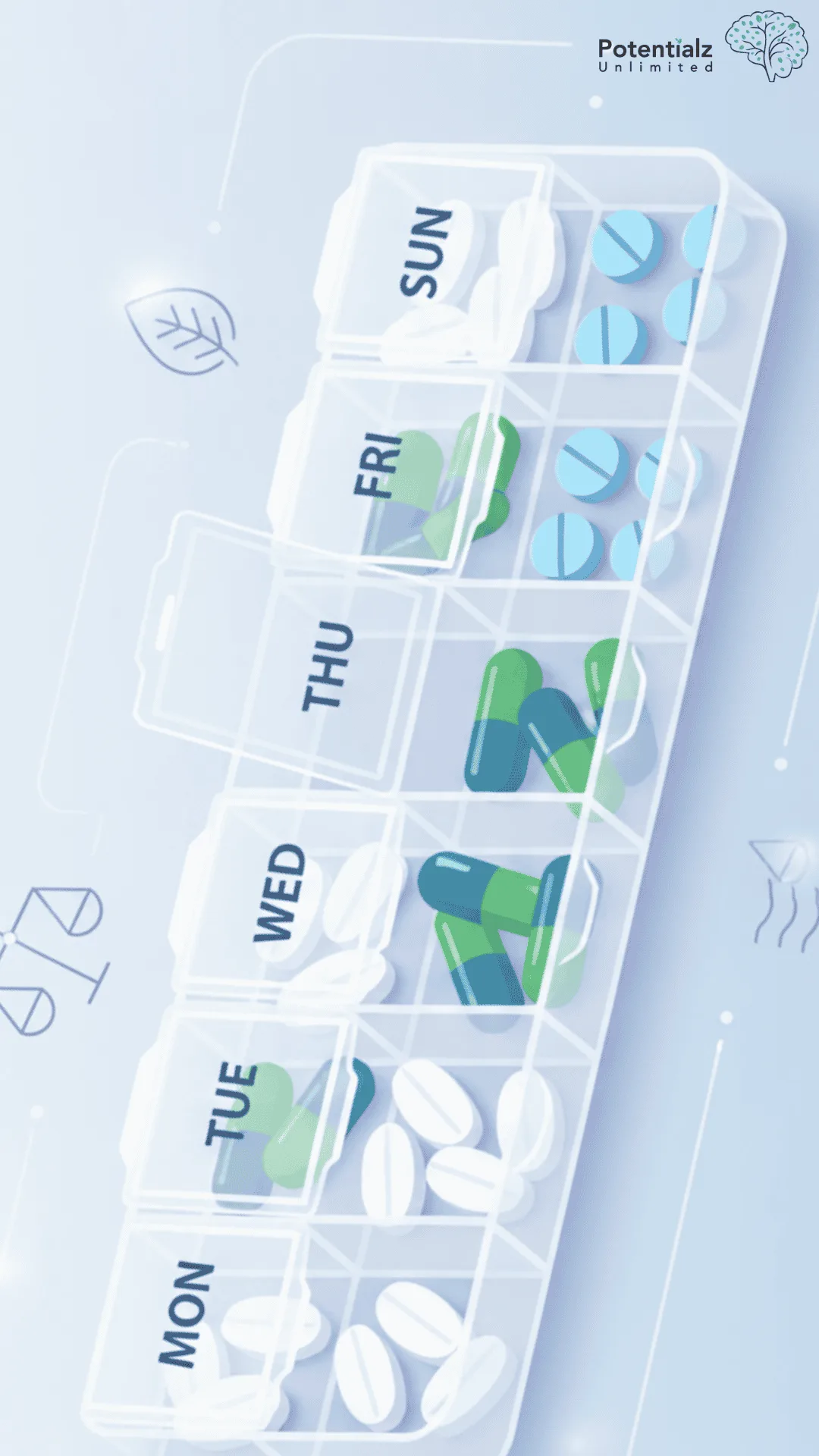 Daily Pill Organizer: Ensuring Consistent Medication Intake for Managing Bipolar Disorder.
How Lithium Works:
- Helps stabilize mood swings
- Prevents both manic and depressive episodes
- Has unique anti-suicide properties
- Works best when blood levels are carefully monitored
Newer Medication Options: Current pharmacotherapies, many of which were serendipitously discovered, sufficiently target aberrant neurotransmission but yield inadequate outcomes and cause burdensome side effects. Alternative treatments with fewer adverse effects are in development.
Modern treatments include:
- Atypical Antipsychotics: Like olanzapine and quetiapine
- Anticonvulsants: Such as valproic acid and lamotrigine
- Combination Therapies: Using multiple medications together for better results
Breakthrough New Treatments
Accelerated Theta Burst Stimulation (aiTBS)
A potential new treatment for bipolar disorder (BP) that significantly shortens treatment time has emerged, following a randomized clinical trial using accelerated intermittent theta burst stimulation (aiTBS). While current theta burst stimulation (TBS) treatments can take between four and six weeks to administer, this new technique reduces treatment to five days.
This exciting new treatment:
- Uses magnetic fields to stimulate the brain
- Takes only 5 days instead of 4-6 weeks
- Is non-invasive and doesn’t require surgery
- Shows promising results for depression in bipolar disorder
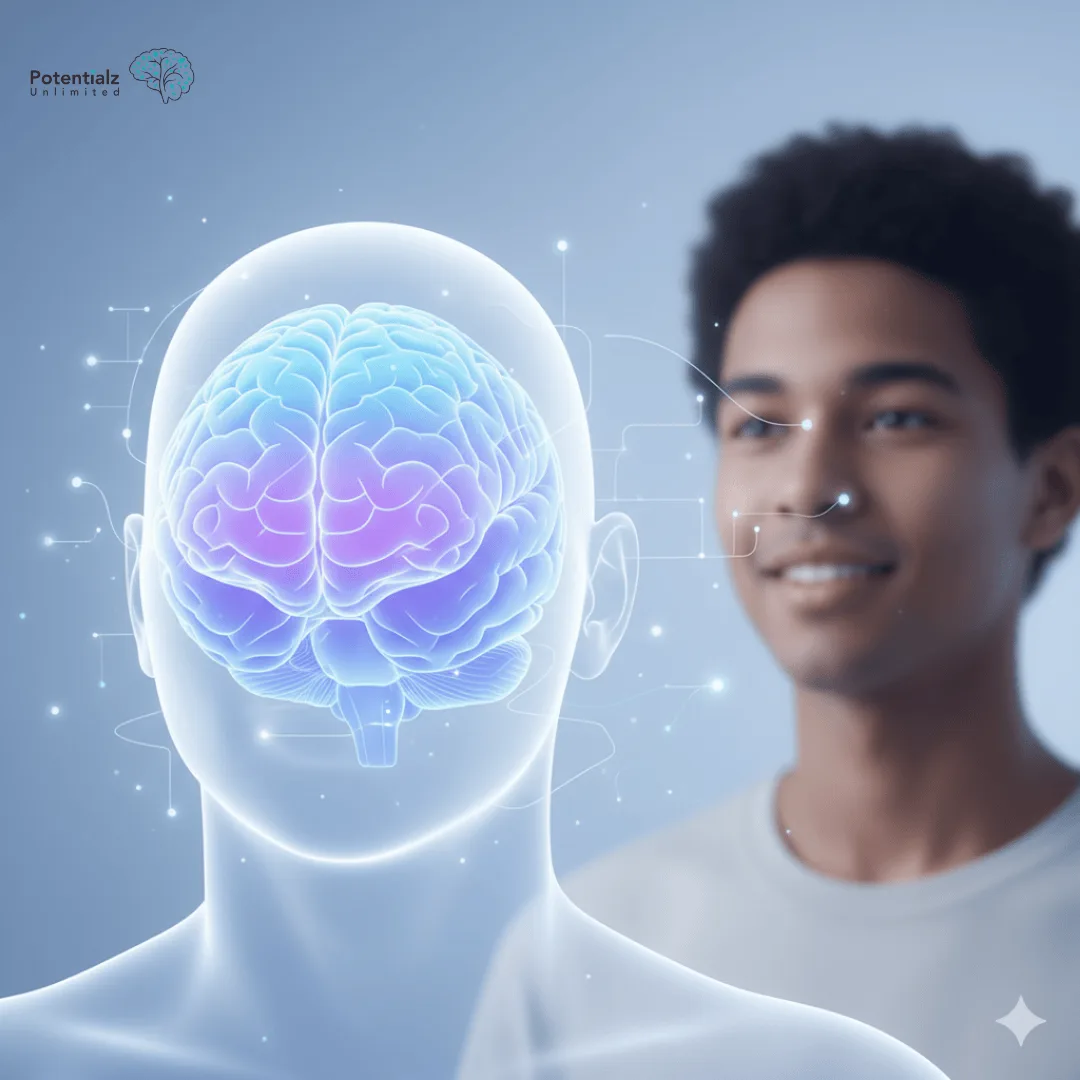 A futuristic illustration in soft blues and purples depicts brain healing with magnetic waves symbolizing restorative energy, as a hopeful young person observes in the background.
Ketamine and Innovative Approaches
New treatments, such as repetitive transcranial magnetic stimulation (rTMS) and intranasal ketamine, show promise, with rTMS demonstrating high response and remission rates, and ketamine potentially offering rapid antidepressant effects.
Therapy: The Power of Talking and Learning
Cognitive Behavioral Therapy (CBT)
CBT helps people with bipolar disorder by:
- Teaching them to recognize early warning signs of mood episodes
- Developing healthy coping strategies
- Challenging negative thought patterns
- Learning problem-solving skills
Interpersonal and Social Rhythm Therapy (IPSRT)
This specialized therapy focuses on:
- Establishing regular daily routines
- Improving relationships
- Managing life changes that might trigger episodes
- Stabilizing sleep and wake cycles
 Young people gather in a sunlit room for a supportive therapy session, sharing stories and fostering healing in a circle of trust and understanding.
Family Therapy
Family therapy is essential because:
- It educates family members about bipolar disorder
- Helps families communicate better
- Teaches everyone how to support recovery
- Reduces stress in the home environment
The Importance of Personalized Treatment
Less than half of people with bipolar disorder describe themselves as having found effective treatments, meaning they’ve had a partial treatment response or intolerable side effects from medications. This is why researchers are now focusing on personalized medicine approaches.
Cognitive Subtypes in Bipolar Disorder:
Using statistical techniques, researchers identified three subtypes of bipolar disorder:
“Cognitively intact” (about 30% of people with bipolar disorder): Performed similarly to healthy controls and even outperformed them on at least one measure of social cognition. “Selectively impaired/suboptimal” (about 30%): Showed mild to moderate impairment on processing speed, attention, and social cognition, but performed average or above average on other measures.
Self-Care: Your Daily Toolkit for Success
Lifestyle Management
- Regular Sleep Schedule: Going to bed and waking up at the same time every day
- Exercise: Regular physical activity helps stabilize mood
- Healthy Eating: A balanced diet supports brain health
- Stress Management: Learning relaxation techniques
Mood Tracking
Keeping track of your moods helps you:
- Identify triggers for mood episodes
- Notice early warning signs
- See patterns in your emotions
- Share important information with your treatment team
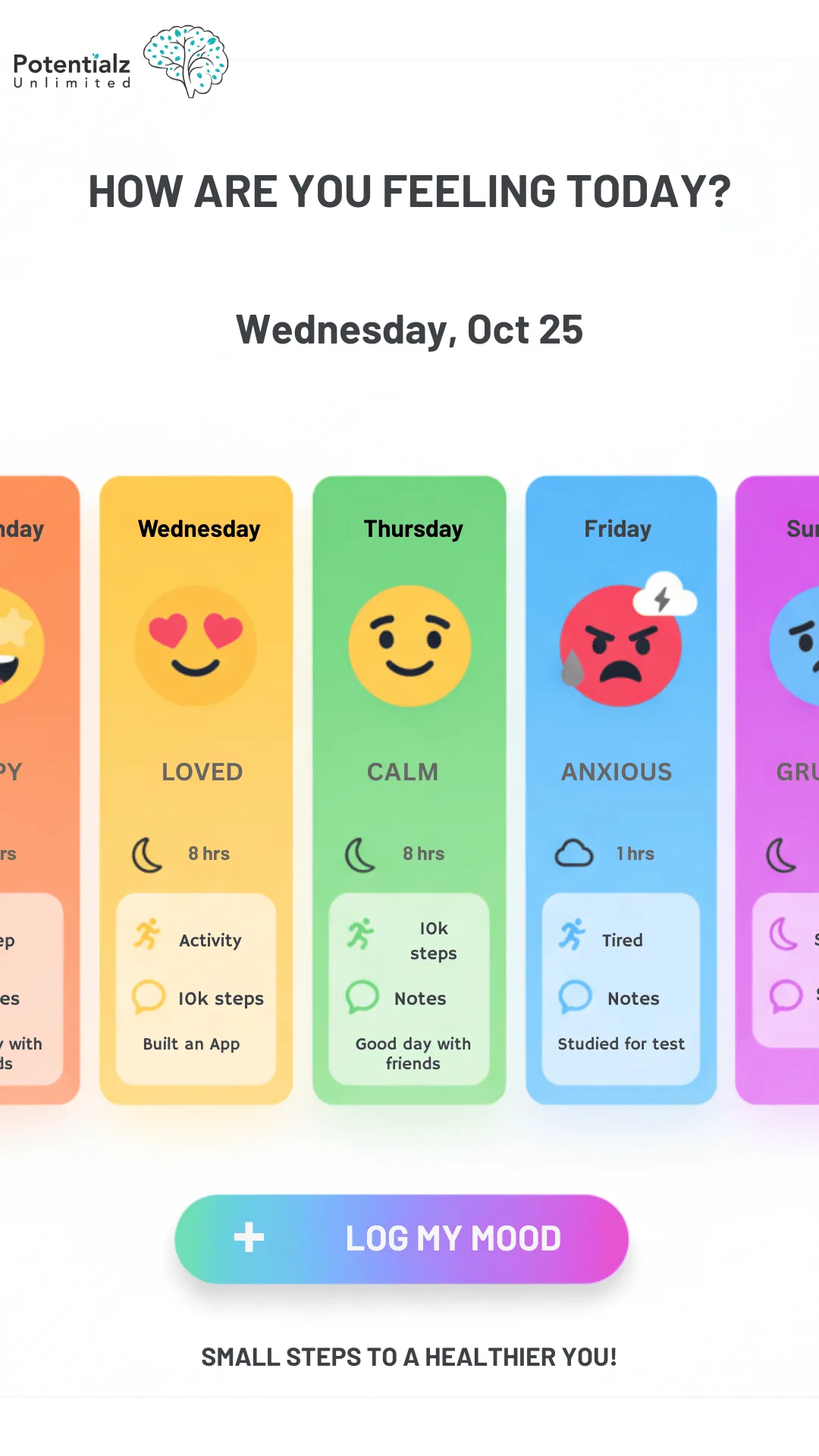 Track your emotions, sleep, and activities with mood tracker,s designed to help you reflect and grow every day!
Identifying and Managing Triggers
Common triggers for bipolar episodes include:
- Stress: Major life changes, school pressure, or relationship problems
- Sleep Disruption: Staying up too late or irregular sleep patterns
- Substance Use: Alcohol or drugs can trigger episodes
- Medication Changes: Stopping or changing medications without medical supervision
Early Warning Signs to Watch For
Mania Warning Signs:
- Needing less sleep than usual
- Talking faster than normal
- Having racing thoughts
- Feeling unusually confident or energetic
Depression Warning Signs:
- Feeling sad or empty for several days
- Losing interest in favorite activities
- Having trouble concentrating
- Changes in appetite or sleep
The Critical Role of Professional Support
Building Your Treatment Team
A complete treatment team might include:
- Psychiatrist: For medication management
- Psychologist: For therapy and counseling
- Social Worker: For practical support and resources
- General Practitioner: For overall health monitoring
Finding the Right Professional
When looking for a mental health professional, consider:
- Their experience with bipolar disorder
- Whether they make you feel comfortable and understood
- If they explain things in ways you can understand
- Whether they involve your family when appropriate
 A diverse team of healthcare professionals, including a psychiatrist, psychologist, and social worker, stands together in a welcoming medical setting, illustrating teamwork and collaboration with their friendly expressions and professional attire.
Breaking Myths and Reducing Stigma
- Myth 1: “People with bipolar disorder can’t live normal lives” Truth: With proper treatment, many people with bipolar disorder lead successful, fulfilling lives.
- Myth 2: “Medication will change your personality” Truth: Proper medication helps you feel more like yourself by stabilizing mood swings.
- Myth 3: “You can just ‘snap out of’ bipolar episodes” Truth: Bipolar disorder is a medical condition that requires professional treatment, just like diabetes or heart disease.
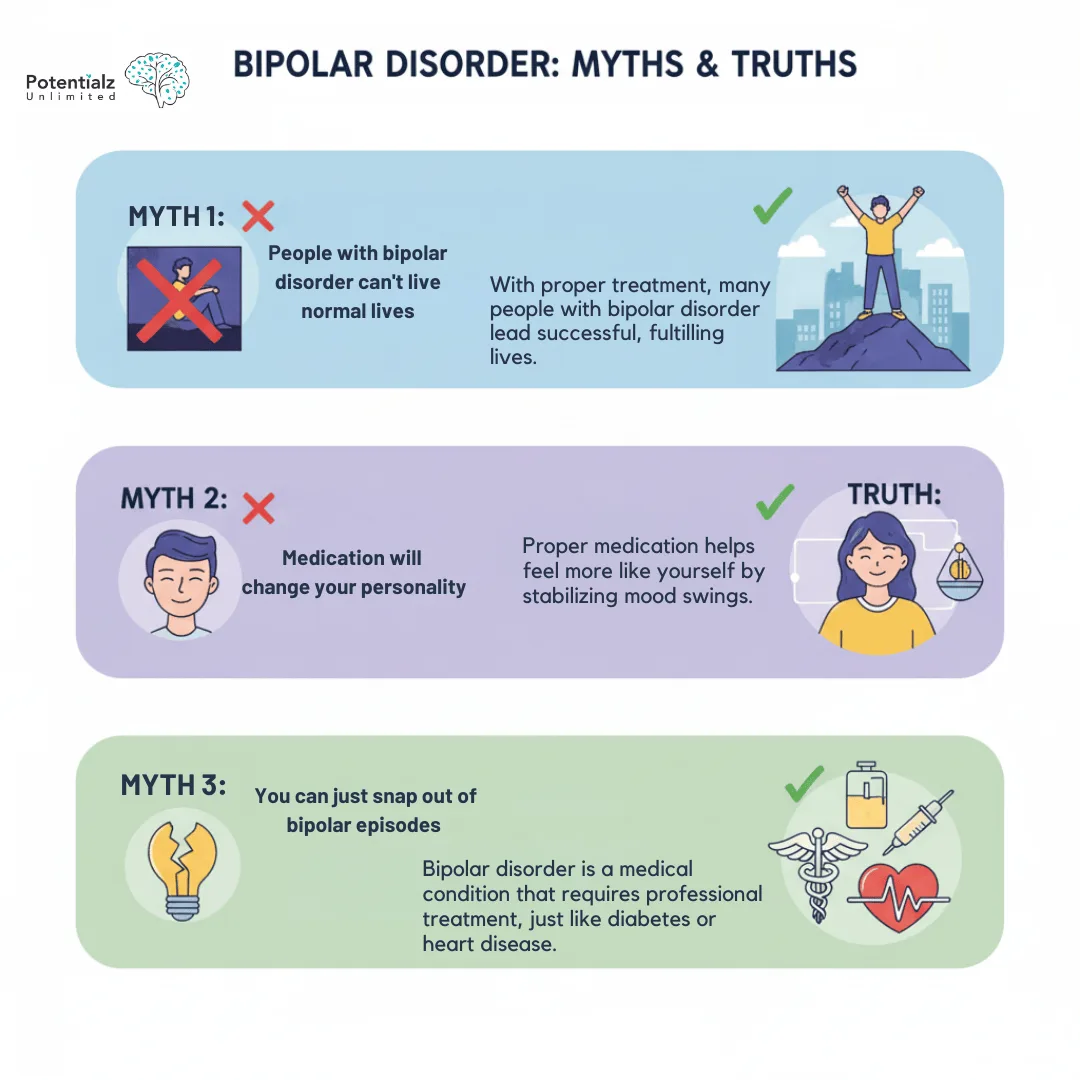 This infographic clarifies common misconceptions about Bipolar Disorder
Special Considerations for Young People
School and Academic Support
Students with bipolar disorder may benefit from:
- Extended time for tests and assignments
- Flexible attendance policies during treatment
- Regular communication between school and healthcare providers
- Peer support groups
Social Relationships
Maintaining friendships while managing bipolar disorder involves:
- Being honest with close friends about your condition
- Setting boundaries when you need space
- Learning to recognize when you need extra support
- Building a support network of understanding people
Hope for the Future: Emerging Research
Emerging research underscores the potential of precision psychiatry and digital health tools to enhance diagnosis and treatment. The future of bipolar disorder treatment is bright, with researchers working on:
- Digital Health Tools: Apps and devices that can monitor mood and predict episodes
- Precision Medicine: Treatments tailored to individual genetic profiles
- New Medications: Drugs that work faster and have fewer side effects
- Brain Stimulation Techniques: Advanced methods like the aiTBS mentioned earlier
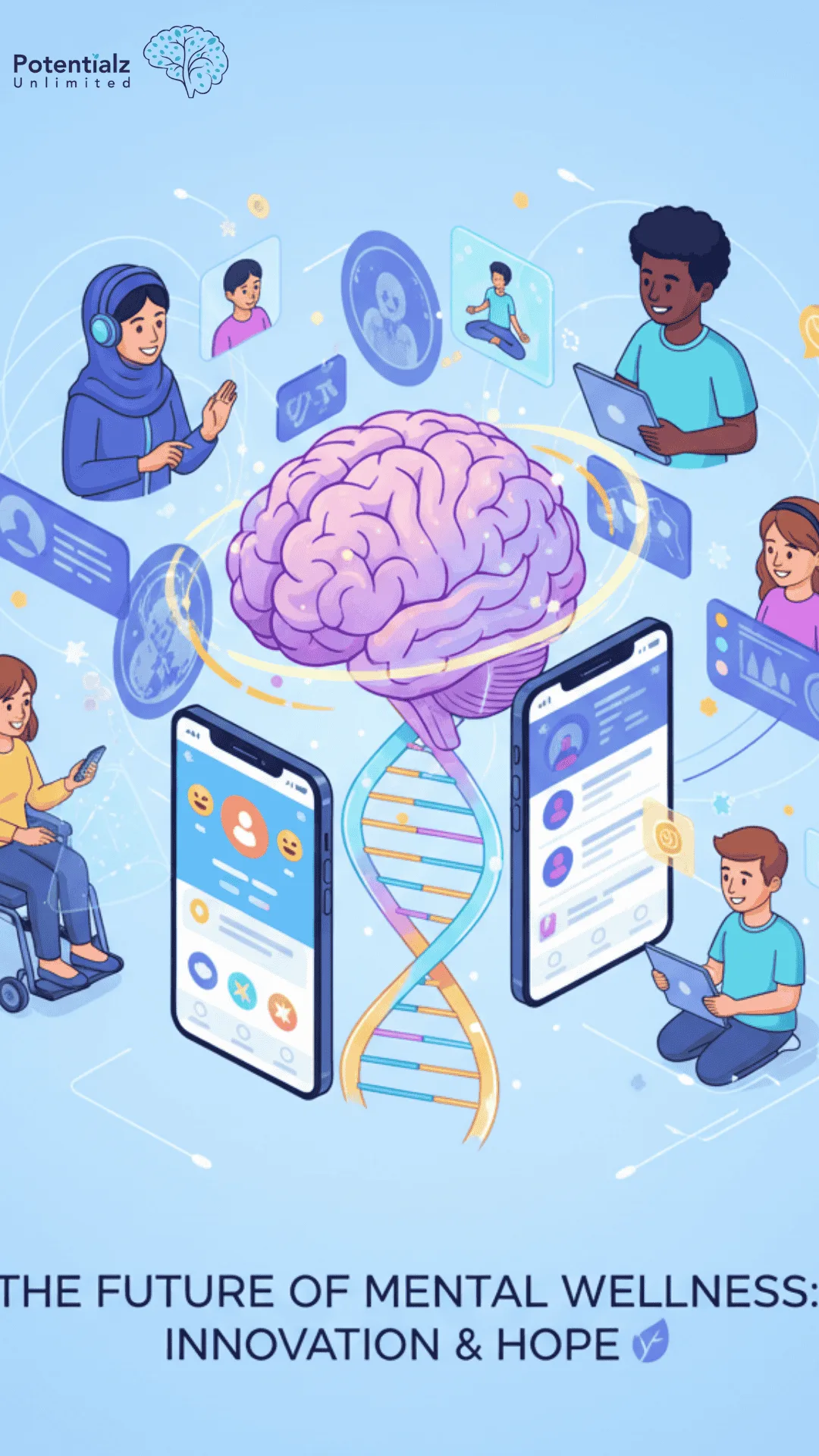 Embracing the Future: Technology and Diversity in Mental Health Care Innovation.
Living Well with Bipolar Disorder
Remember, having bipolar disorder doesn’t define who you are. It’s just one aspect of your health that can be managed with the right tools and support. Many successful people throughout history have lived with bipolar disorder, including artists, scientists, politicians, and everyday heroes.
Keys to Success:
- Stay Connected: Maintain relationships with supportive family and friends
- Follow Your Treatment Plan: Take medications as prescribed and attend therapy sessions
- Practice Self-Care: Prioritize sleep, exercise, and stress management
- Stay Informed: Learn about your condition and new treatment options
- Advocate for Yourself: Speak up about your needs and concerns
When to Seek Emergency Help
Contact emergency services immediately if you or someone you know:
- Has thoughts of suicide or self-harm
- Shows signs of psychosis (hearing or seeing things that aren’t there)
- Engages in extremely risky or dangerous behavior
- Shows severe depression with inability to function
Crisis Resources:
- National Suicide Prevention Lifeline: 988 (US)
- Crisis Text Line: Text HOME to 741741
- Emergency Services: 000 (Australia)
Conclusion: Treatment Options for Bipolar Disorder
Living with bipolar disorder can feel overwhelming at times, but remember that you’re not alone in this journey. With the right combination of medication, therapy, lifestyle changes, and support from loved ones, it’s entirely possible to lead a happy, successful life.
The field of mental health is constantly advancing, bringing new hope and better treatments for people with bipolar disorder. The burden has continued to grow since 1990 with no evidence of reduction, but research highlights new treatments that show promise.
By staying informed about the latest treatment options and working closely with your healthcare team, you can take control of your mental health and build the life you want.
At Potentialz Unlimited, we understand the challenges of living with bipolar disorder, and we’re here to help you navigate this journey. Our experienced team of mental health professionals specializes in evidence-based treatments for bipolar disorder, including the latest therapeutic approaches and personalized care plans.
Remember, seeking help is a sign of strength, not weakness. Your mental health matters, and with the right support and treatment, you can thrive despite the challenges of bipolar disorder.
Test Your Knowledge
**Related Articles on **Potentialz.com.au
- Understanding Bipolar Disorder: A Journey Through the Highs and Lows
- The Hidden Risks: Why Treating Bipolar Disorder as Depression Can Be Dangerous
- DBT Skills for Managing Borderline Personality Disorder
- Cognitive Behavioral Therapy for Anxiety and Depression
- The Benefits of Cognitive Behavioral Therapy (CBT)
References (APA 7 Style):
- Anmella, G., De Prisco, M., Joyce, J. B., et al. (2024). Automated speech analysis in bipolar disorder: The CALIBER study protocol and preliminary results. Journal of Clinical Medicine, 13, 4997.
- Burdick, K. E. (2024, August 28). Neurocognitively defined subtypes in bipolar disorder: A path to more personalized treatments. Psychiatric News, 59(09).
- Fraiha-Pegado, S. (2024). Trace lithium levels in drinking water and dementia: A systematic review. International Journal of Bipolar Disorders.
- Kessing, L. V., et al. (2024). Why is lithium [not] the drug of choice for bipolar disorder? A controversy between science and clinical practice. International Journal of Bipolar Disorders, 12, 362-7.
- Sheline, Y. I., et al. (2024). New form of repetitive magnetic brain stimulation reduces treatment time for bipolar disorder. JAMA Psychiatry.
- Strawbridge, R., et al. (2023). Current and emerging therapies for bipolar disorder. US Pharmacist, 49(5), 22-34.
- Yildiz, A., et al. (2024). Bipolar disorders: An update on critical aspects. The Lancet Regional Health – Europe.
Need Professional Support?
If you're experiencing mental health concerns, our team is here to help.