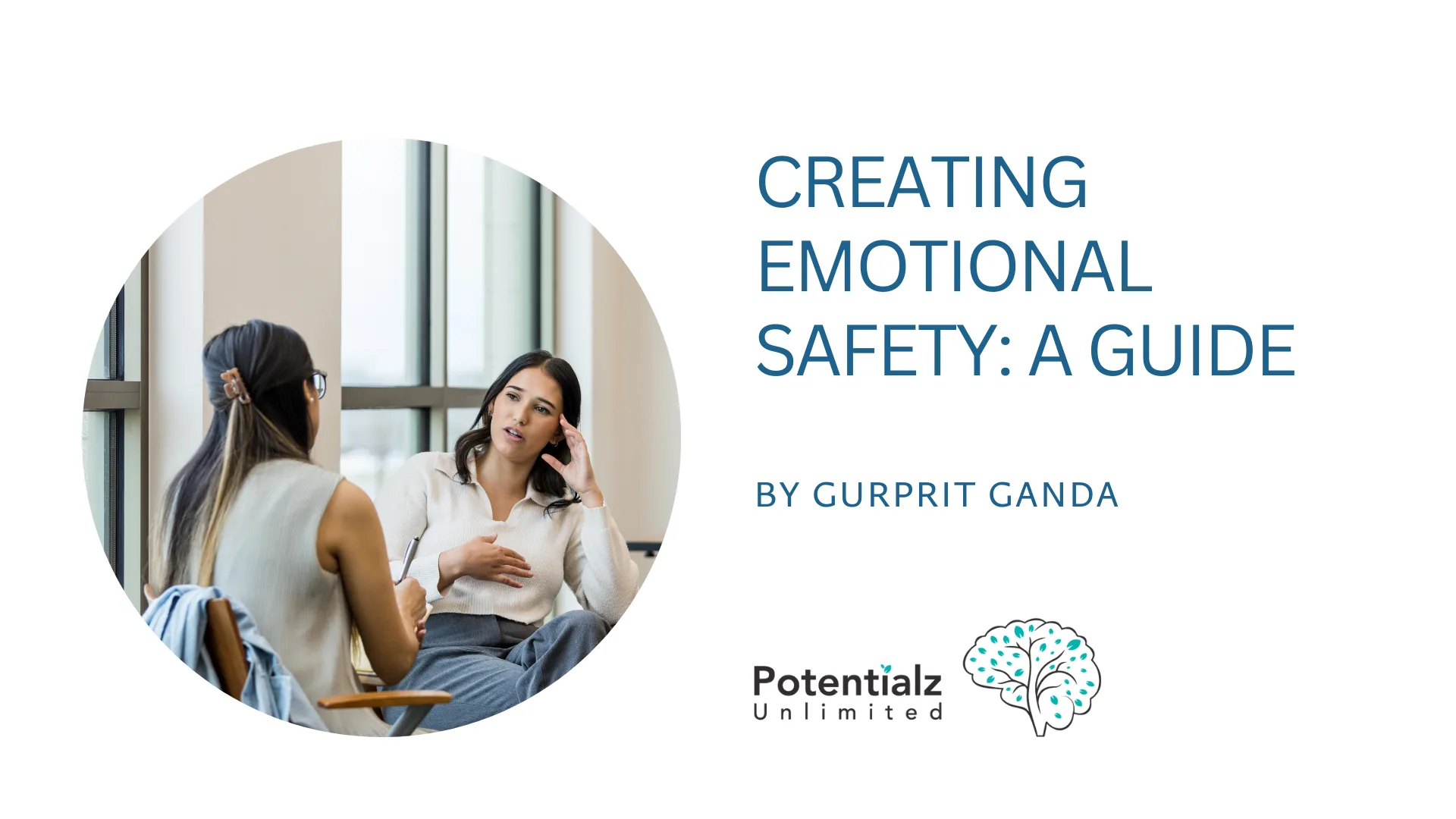
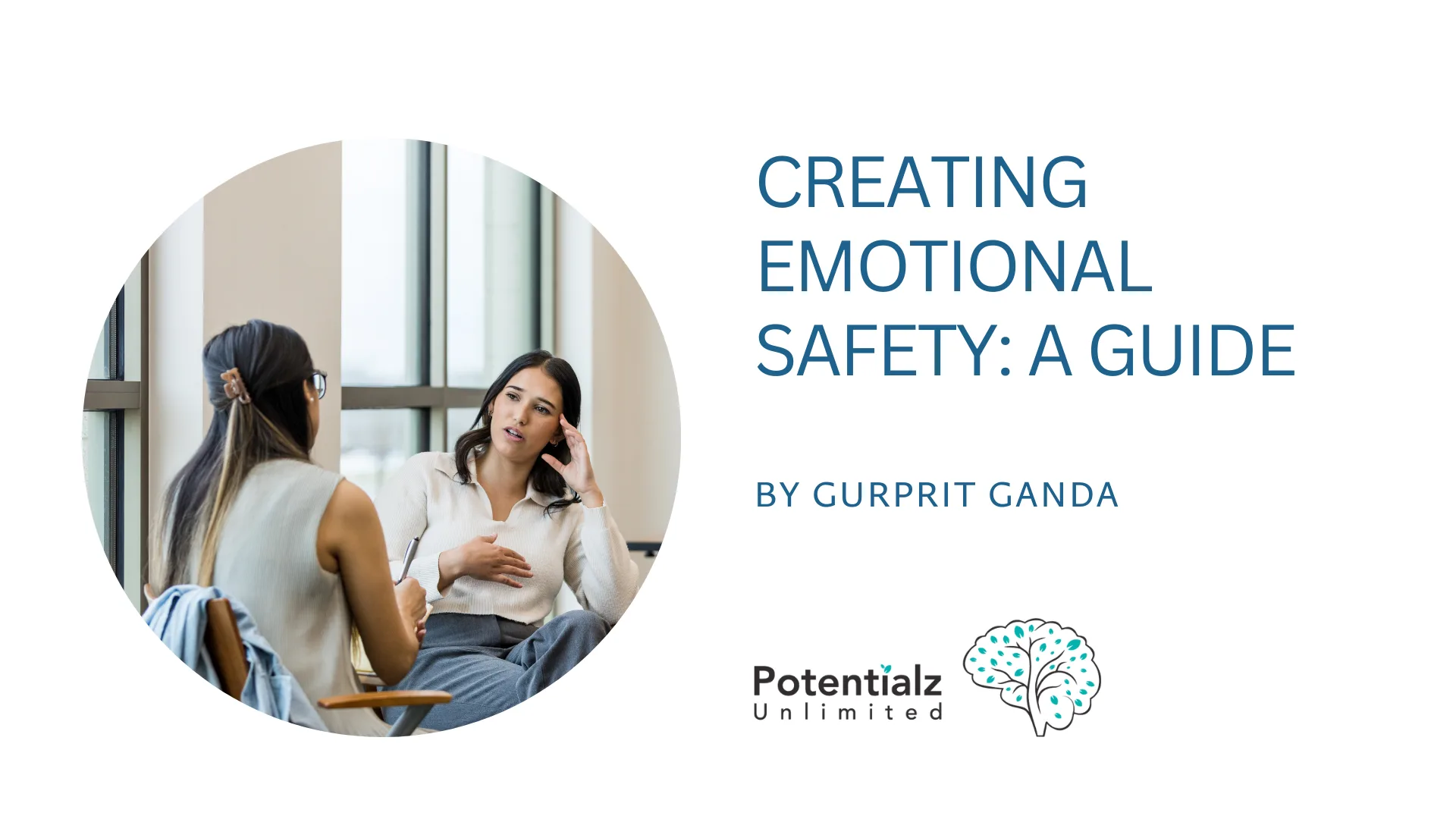
Emotional safety is a foundational element in nurturing healthy relationships, whether they are personal or professional. It involves creating an environment where individuals feel secure enough to express themselves authentically without fear of judgment or reprisal. This guide explores the concept of emotional safety, its importance, and practical strategies for fostering it in various contexts.
Understanding Emotional Safety
Emotional safety refers to the assurance that one can express their thoughts, feelings, and vulnerabilities without fear of negative consequences. It is a critical component in relationships that fosters trust, intimacy, and open communication. Emotional safety enables people to be themselves and share their thoughts and feelings, which is vital for forming strong connections.
Key Components of Emotional Safety
- Trust: Trust is the cornerstone of emotional safety. It involves believing that the other person will not intentionally harm or judge you for your vulnerabilities.
- Empathy: Empathy is the ability to understand and share the feelings of another person. It involves listening actively and responding with compassion.
- Validation: Validation means acknowledging and accepting another person’s feelings and experiences as legitimate, even if you do not agree with them.
- Nonverbal Communication: Nonverbal cues such as eye contact, body language, and tone of voice play a significant role in conveying emotional safety.
The Importance of Emotional Safety
Emotional safety is crucial for several reasons:
- **Facilitates Vulnerability: **When individuals feel emotionally safe, they are more likely to open up and be vulnerable, which deepens relationships.
- **Enhances Communication: **Emotional safety encourages honest communication, reducing misunderstandings and conflicts.
- Promotes Personal Growth: In a safe environment, individuals can explore their thoughts and emotions freely, leading to personal growth and self-awareness.
Creating Emotional Safety in Relationships
Building emotional safety requires intentional effort from all parties involved. Here are some strategies to create emotional safety in relationships:
Practice Active Listening
Active listening involves fully concentrating on what the other person is saying without interrupting or planning your response while they are speaking. It shows that you value their perspective and are genuinely interested in understanding them.
Show Empathy and Compassion
Empathy involves putting yourself in the other person’s shoes and understanding their feelings from their perspective. Compassion goes a step further by expressing care and concern for their well-being.
Validate Feelings
Validation is about acknowledging another person’s emotions without judgment. It involves affirming that their feelings are real and understandable given their experiences.
Maintain Transparency
Transparency builds trust by eliminating secrets or hidden agendas. Being open about your thoughts, feelings, and intentions fosters a sense of security in the relationship.
Encourage Open Communication
Create an environment where both parties feel comfortable expressing their thoughts and emotions without fear of criticism or retaliation. Encourage open dialogue about needs, expectations, and concerns.
Overcoming Barriers to Emotional Safety
Despite its importance, achieving emotional safety can be challenging due to various barriers:
Fear of Judgment
Fear of being judged or criticized can prevent individuals from expressing themselves openly. To overcome this barrier, emphasize acceptance and non-judgmental attitudes within the relationship.
Past Experiences
Previous negative experiences can impact an individual’s ability to feel safe in new relationships. Building trust gradually through consistent positive interactions can help alleviate these fears.
Defensive Reactions
Defensiveness can hinder emotional safety by shutting down communication. Practice self-awareness to recognize defensive tendencies and strive to respond with openness instead.
Emotional Safety in Professional Settings
Emotional safety is not limited to personal relationships; it is equally important in professional environments. Psychological safety at work allows employees to take risks, voice concerns, and contribute ideas without fear of negative consequences.
Building Psychological Safety at Work
- **Foster Inclusivity: **Ensure that all team members feel valued and included regardless of their background or role.
- **Encourage Open Dialogue: **Promote a culture where employees feel comfortable speaking up about issues or ideas.
- Model Vulnerability: Leaders should model vulnerability by admitting mistakes and seeking feedback.
- Provide Support: Offer resources such as counseling or mentorship programs to support employees’ emotional well-being.
Conclusion
Creating emotional safety is essential for fostering meaningful connections in both personal and professional settings. By prioritizing trust, empathy, validation, and open communication, individuals can cultivate environments where everyone feels secure enough to express themselves authentically. Whether in intimate relationships or workplace teams, emotional safety paves the way for deeper connections, enhanced collaboration, and personal growth.
References
- Psych Central (n.d.). How Do You Build Emotional Security in a Relationship? Retrieved from https://psychcentral.com/blog/emotional-security-in-relationships
- Living Well Counselling (n.d.). Create Emotional Safety in Your Relationship. Retrieved from https://livingwellcounselling.ca/creating-emotional-safety-in-relationships/
- Gottman Institute (n.d.). Emotional Safety is Necessary for Emotional Connection. Retrieved from https://www.gottman.com/blog/emotional-safety-is-necessary-for-emotional-connection/
- National Center for Biotechnology Information (2020). An individual perspective on psychological safety: The role of basic … Retrieved from https://www.ncbi.nlm.nih.gov/pmc/articles/PMC9434267/
- National Center for Biotechnology Information (2020). A concept analysis of psychological safety: Further understanding … Retrieved from https://www.ncbi.nlm.nih.gov/pmc/articles/PMC8685887/
- Psych Central (n.d.). 7 Ways to Create Emotional Safety in Your Relationship. Retrieved from https://psychcentral.com/blog/how-do-you-create-emotional-safety-in-your-relationships
- Center for Creative Leadership (n.d.). How Leaders Can Build Psychological Safety at Work. Retrieved from https://www.ccl.org/articles/leading-effectively-articles/what-is-psychological-safety-at-work/
Need Professional Support?
If you're experiencing mental health concerns, our team is here to help.