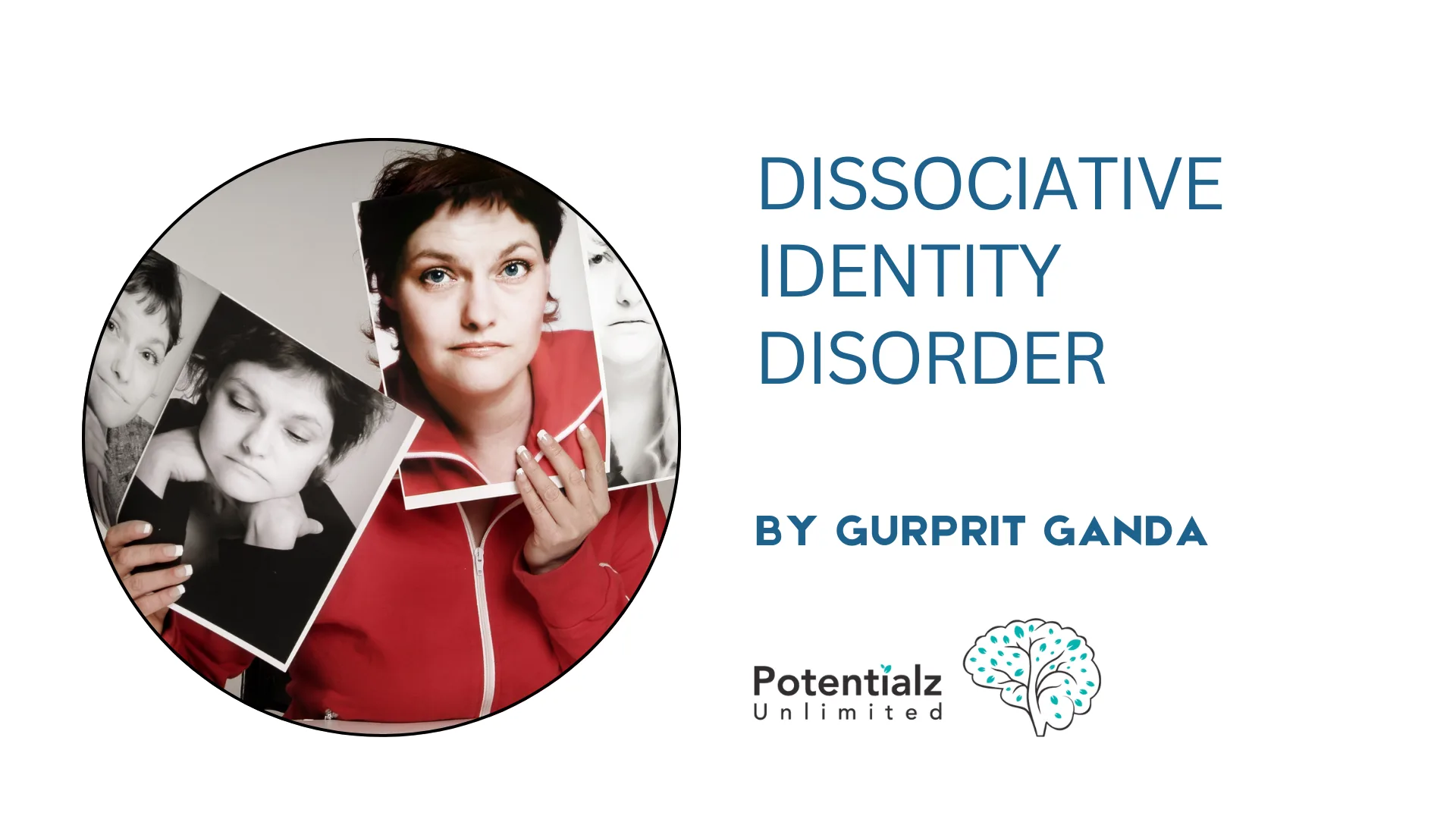
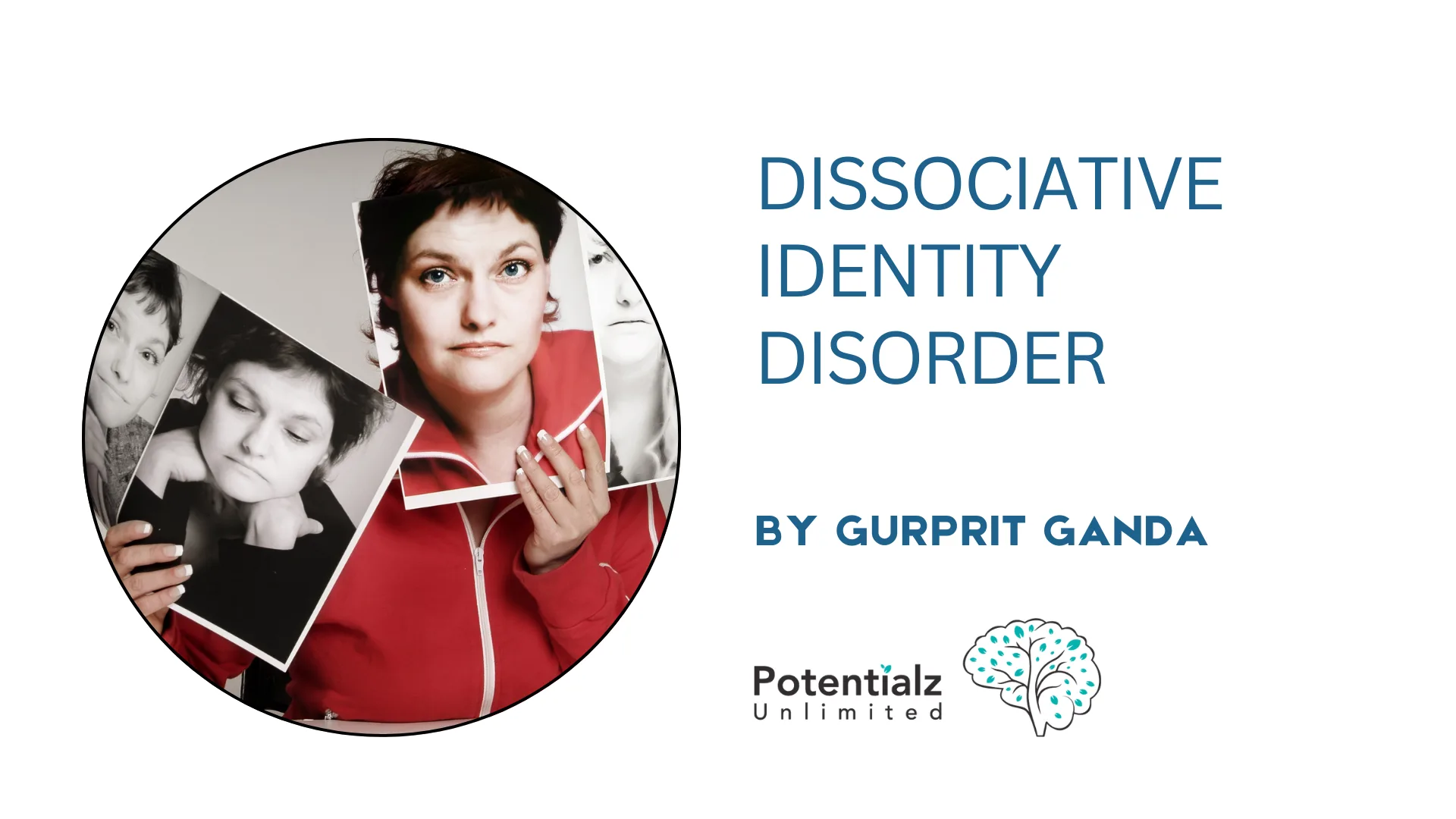
Dissociative Identity Disorder (DID), once termed Multiple Personality Disorder, remains one of the most enigmatic and debated conditions in psychiatry. Characterized by fragmented identity states, memory disruptions, and dissociation, DID challenges both clinicians and patients to navigate a labyrinth of psychological and neurological intricacies. This blog post explores its clinical presentation, historical evolution, emerging treatments, and distinctions from similar disorders.
Clinical Presentation: Fragmented Selves and Hidden Struggles
DID is defined by the presence of two or more distinct identity states (alters), each with unique patterns of perception, behavior, and memory. Key symptoms include:
- Identity alteration: Alters may differ in name, age, gender, voice, and even physical characteristics.
- Dissociation** and memory gaps:** Episodes of amnesia for personal information, daily events, or traumatic experiences.
- Depersonalization and derealization: Feelings of detachment from oneself or surroundings, as if observing life from outside the body.
- Emotional dysregulation: Sudden mood shifts, self-harm, and comorbid anxiety or depression.
Contrary to media portrayals, overt identity switching is rare; most individuals with DID experience subtle internal shifts, often masked by coping mechanisms.
Historical Evolution: From Possession to Modern Psychiatry
The concept of fragmented identity dates to ancient times, with early accounts likening symptoms to “demonic possession”. Modern understanding began in 1791, when a German woman exhibited a “French aristocrat” alter. By the late 19th century, cases surged, only to decline as schizophrenia diagnoses rose.
The DSM-III (1980) reclassified DID as a dissociative disorder, emphasizing disruptions in identity, memory, and consciousness. Public awareness skyrocketed after the 1973 book Sybil, though critics argue this led to overdiagnosis and therapeutic suggestibility. Today, DID remains controversial, with debates centering on trauma-driven origins versus iatrogenic factors.
Meet the Woman With 7 Personalities
Emerging Treatments: Integration and Healing
Treatment focuses on long-term psychotherapy, often structured in phases:
- **Stabilization: **Building trust, managing crises, and addressing comorbid conditions (e.g., depression).
- **Trauma processing: **Techniques like EMDR or cognitive-behavioral therapy (CBT) to integrate traumatic memories.
- Identity integration: Fostering cooperation among alters and achieving functional unity.
Key modalities
- **Dialectical Behavior Therapy (DBT)****: **For emotional regulation.
- **Narrative therapy: **Reconstructing life stories to reduce fragmentation.
- **Hypnotherapy: **Used cautiously to access dissociated memories.
While no medications treat DID directly, antidepressants or anxiolytics may alleviate comorbid symptoms.
Differentiating DID from Similar Disorders
DID vs. Schizophrenia
Feature
DID
Schizophrenia
Core Symptoms
Alters, dissociation, memory gaps
Hallucinations, delusions
Reality Perception
Detachment from self (dissociation)
Distorted reality (psychosis)
Identity
Multiple distinct selves
Single, fragmented self-image
Onset
Childhood/adolescence
Late adolescence/early adulthood
Schizophrenia involves psychosis (e.g., hallucinations), whereas DID centers on dissociation and identity fragmentation.
DID vs. Borderline Personality Disorder (BPD)
- BPD: Unstable self-image, fear of abandonment, and emotional volatility without distinct alters.
- DID: Structured alters with amnesic barriers, often linked to severe childhood trauma.
- Overlap: Both may involve self-harm, but DID’s dissociative symptoms are more pervasive.
**Conclusion: **Dissociative Identity Disorder
DID challenges simplistic explanations, demanding a nuanced understanding of trauma, memory, and identity. While stigma persists, advances in trauma-informed care offer hope for integration and recovery. By distinguishing DID from similar disorders and embracing evidence-based therapies, clinicians can guide patients toward reclaiming coherence in their lives.
References
- Gauld, C., Espi, P., Revol, O., & Fourneret, P. (2022). Explanatory hypotheses of the ecology of new clinical presentations of Dissociative Identity Disorders in youth. Frontiers in Psychiatry, 13. https://doi.org/10.3389/fpsyt.2022.965593
- Better Health Channel. (n.d.). Dissociation and dissociative disorders. Retrieved from https://www.betterhealth.vic.gov.au/health/conditionsandtreatments/dissociation-and-dissociative-disorders
- Mitra, P., & Jain, A. (2023, May 16). Dissociative Identity Disorder. StatPearls - NCBI Bookshelf. https://www.ncbi.nlm.nih.gov/books/NBK568768/
- International Society for the Study of Trauma and Dissociation (2011). Guidelines for treating dissociative identity disorder in adults, third revision: summary version. Journal of Trauma & Dissociation, 12(2), 188–212. https://doi.org/10.1080/15299732.2011.537248
- Yargiç, L. I., Sar, V., Tutkun, H., & Alyanak, B. (1998). Comparison of dissociative identity disorder with other diagnostic groups using a structured interview in Turkey. Comprehensive psychiatry, 39(6), 345–351. https://doi.org/10.1016/s0010-440x(98)90046-3
- Estevez, C. (2023). Difference Between Dissociative Identity Disorder and Schizophrenia. Healthline. Retrieved from https://www.healthline.com/health/schizophrenia/did-vs-schizophrenia
- Laddis, A., Dell, P. F., & Korzekwa, M. (2017). Comparing the symptoms and mechanisms of “dissociation” in dissociative identity disorder and borderline personality disorder. Journal of Trauma & Dissociation, 18(2), 139–173. https://doi.org/10.1080/15299732.2016.1194358
Need Professional Support?
If you're experiencing mental health concerns, our team is here to help.